How to Trim a Dog’s Nails Without a Fight
If nail trims mean wrestling, the answer isn’t a better grip. It’s smaller steps. How often to trim, how much to take on light and dark nails, and the step-by-step way to turn a fearful dog into a cooperative one.
On this page
To trim a dog’s nails without a fight, slow the whole thing down: short sessions of a minute or two, a tiny treat for every touch, and moving to the next step only when your dog is relaxed. VCA Animal Hospitals describes this cooperative-care approach, starting with touching the shoulder and working down to the toes, then the clippers, then the sound, then one sliver of one nail. Most dogs need a trim every 3–4 weeks, according to the AKC, and nails that click on the floor are too long.
Holding a struggling dog harder isn’t the answer; smaller steps are. The goal is a dog who finds nail trims boring.
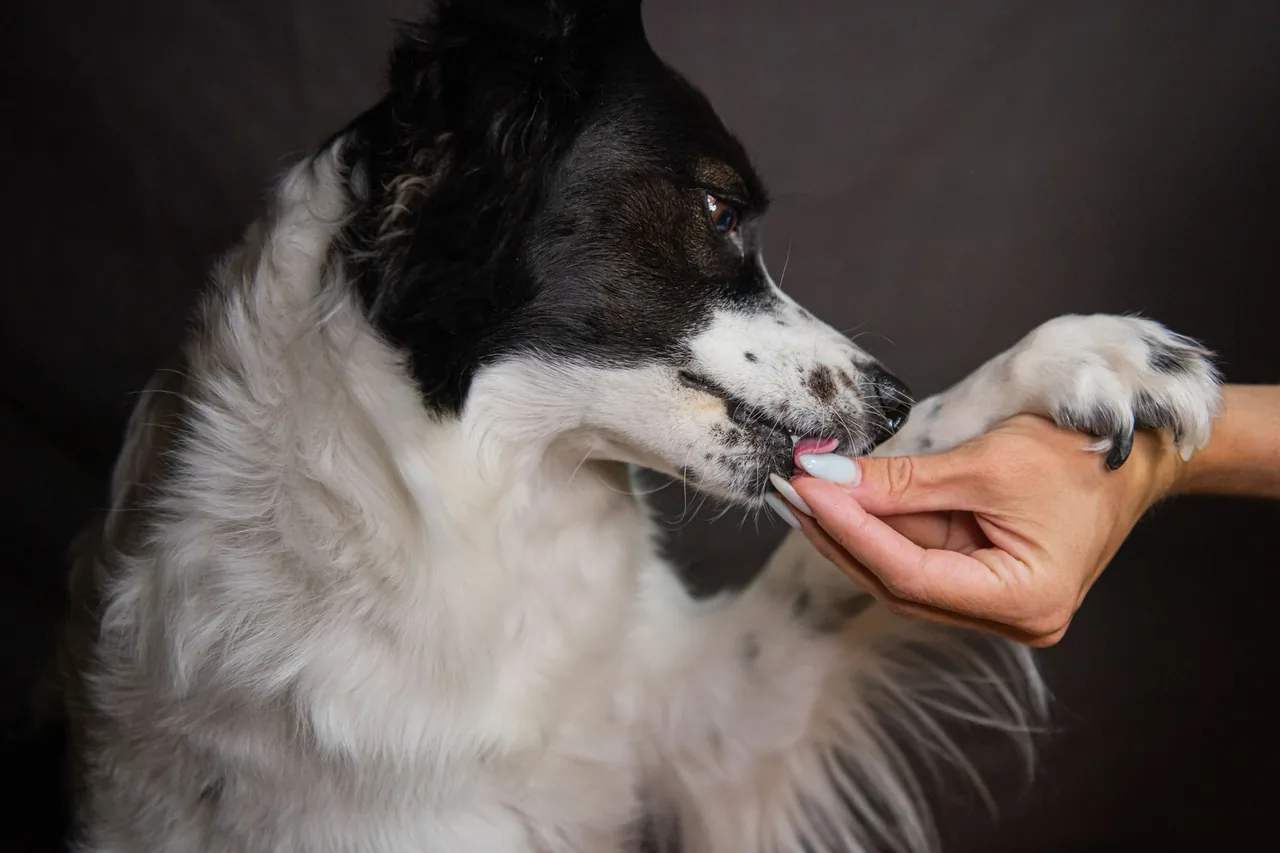
How often, and why it matters
The AKC suggests a trim every 3–4 weeks. VCA says about monthly, and about every 3 weeks for dogs that are less active or walk mostly on soft surfaces. The quick test: if nails touch the ground or click on the floor, they’re too long (VCA).
Long nails aren’t just noisy. The AKC explains they can splay the foot, reduce traction and, over time, deform the feet and injure tendons. And the AKC notes that regular trims help the quick recede, so nails can be kept shorter.
How much to take
- Light nails: stay 2–3 mm away from the pink quick and take 1–2 mm at a time (VCA).
- Dark nails: take only the very tip, and stop when the cut surface shows a chalky white ring (VCA; AKC).
- Dewclaws: don’t skip them. VCA warns an untrimmed dewclaw can curl into the pad.
- Grinder: smooths the edge and lowers the risk of hitting the quick, VCA says, but can catch long hair and burn skin. Keep fur clear, and VCA suggests grinding outdoors.
The step-by-step method for nervous dogs
VCA describes a cooperative-care approach built from tiny steps. Sessions last 1–2 minutes, a few days a week, with a tiny treat for every touch. Move on only when your dog is comfortable with the current step:
- Touch and treat: shoulder, then elbow, wrist, paw and finally toes.
- The clippers: show them, treat; touch them to a paw, treat.
- The sound: clip a drinking straw or toothpick near your dog, then treat.
- One sliver from one nail, then a treat. That is a complete session.
- Build up: a second nail, a whole paw, then more, over weeks.
The free nail-trim progress log lets you record which step you reached and a mood score each time, so you can see progress even when it’s slow.
Don’t force it
VCA advises against forcing restraint. If your dog trembles, drools heavily, pants, growls or snaps, stop and get professional help. For a very fearful dog, VCA notes your vet can prescribe anti-anxiety medication or light sedation for nail trims while you work on the training.
If a nail bleeds
Nicking the quick happens to everyone. Apply styptic powder with gentle pressure; VCA says flour or cornstarch can work in a pinch. If the bleeding hasn’t stopped after 5–10 minutes, call your vet.
A yelp followed by limping or holding up a paw can mean a broken nail, which also needs a vet visit, according to VCA.
Nail care fits into a wider grooming routine: how to groom a dog at home, by coat type covers brushing, bathing and ears.
Frequently asked questions
- How often should I trim my dog’s nails?
- The AKC suggests every 3–4 weeks; VCA says about monthly, or about every 3 weeks for less active dogs or dogs that mostly walk on soft ground. If nails touch the floor or click when your dog walks, they’re too long.
- How do I find the quick on black nails?
- You usually can’t see it, so VCA advises taking only the very tip and stopping when you see a chalky white ring on the cut surface. The AKC notes that regular trims help the quick recede over time.
- What do I do if I cut the quick?
- Apply styptic powder with gentle pressure; VCA says flour or cornstarch can help in a pinch. If bleeding hasn’t stopped after 5–10 minutes of pressure, call your vet.
- Clippers or a grinder?
- Either can work. VCA notes a grinder smooths the edge and lowers the risk of hitting the quick, but it can catch long hair and burn the skin, so keep fur clear; VCA also suggests grinding outdoors.
Educational content only — not veterinary or professional behavior advice. Consult your vet, or a certified trainer or behaviorist, for your pet. Read the full disclaimer →