Dog-care guides for the first year
Free, calm, sourced reads for new dog owners — grouped by topic so you can find the one you need. Cited from AAHA, AVSAB, AVMA and the ASPCA. No fearmongering, no fluff. Educational, not a substitute for your vet.
The Complete Guide to Reactive Dogs
Everything in one place — triggers, thresholds, the reward-based method, and when to get a pro.
Read the guide → Guided programThe Reactive Dog Starter Path
A calm, four-phase plan — do this, then this — from safety and management to long-term maintenance.
Start the path →Dog Body-Language Decoder
Pick the ears, eyes, mouth, tail, and posture you see — get a plain read of how your dog feels, and what to do (and not do).
Free printable checklists & logs
Print-ready dog-care PDFs — vaccination records, a puppy vaccine schedule, sitter instructions, a reactive-dog trigger log and more. No email needed.
Service Dogs
-
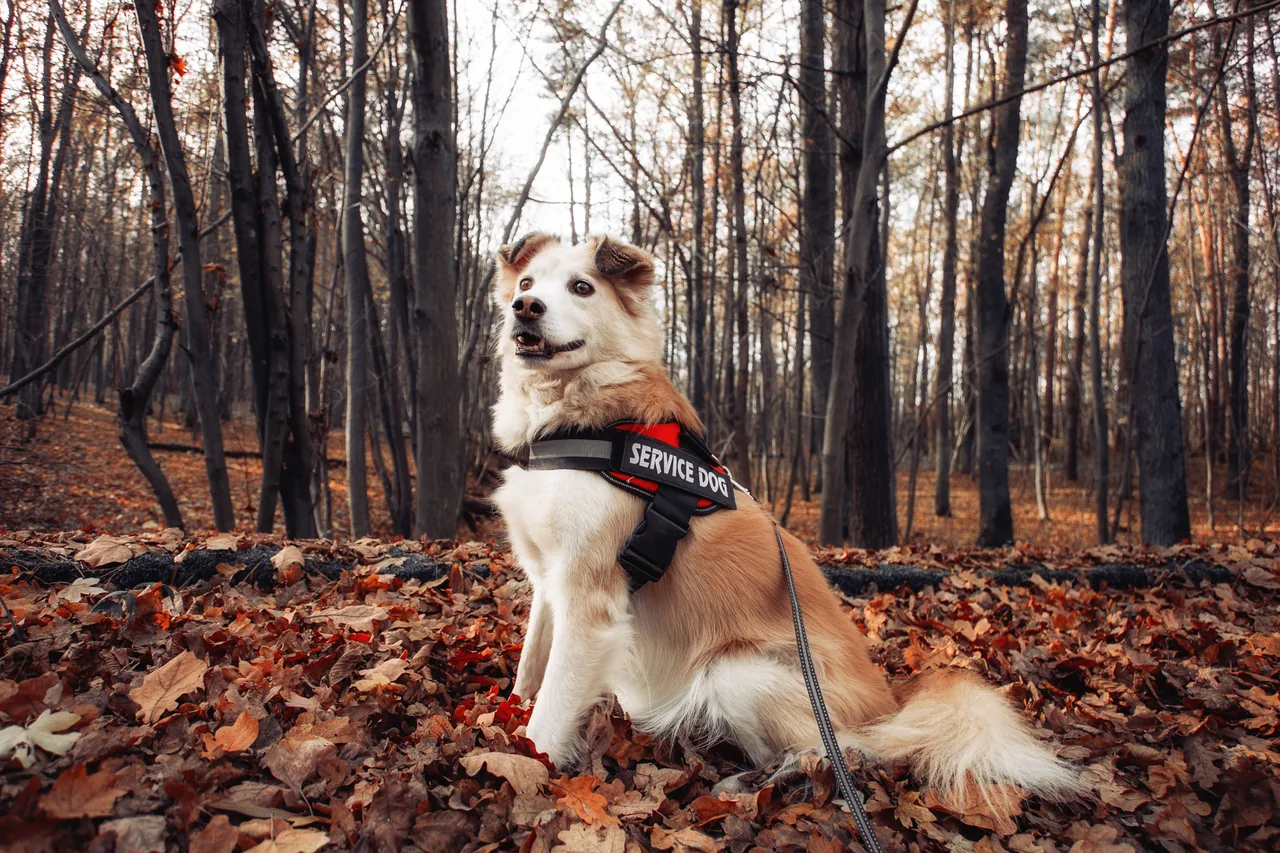
Autism Service Dog Tasks: An Owner-Trainer Primer for Families
A respectful primer on what an autism service dog is trained to do — interrupting repetitive or self-injurious behavior, deep pressure for regulation, and safety tethering for a child who elopes.
Read the guide → -
Cardiac & POTS Service Dog Tasks: An Honest Response-First Guide
How to structure and reward the response tasks a cardiac or POTS service dog can truly be trained to do — retrieving meds and water, bracing and counterbalance, guiding to a seat, getting help — and why HR alerting can't be promised.
Read the guide → -
Diabetic Alert Dog Training: An Honest Owner-Trainer Guide
How to structure and reward diabetic alert dog training — capturing blood-sugar scent samples, marking an alert, proofing it, and the bring-the-kit response — with the honest truth about accuracy.
Read the guide → -
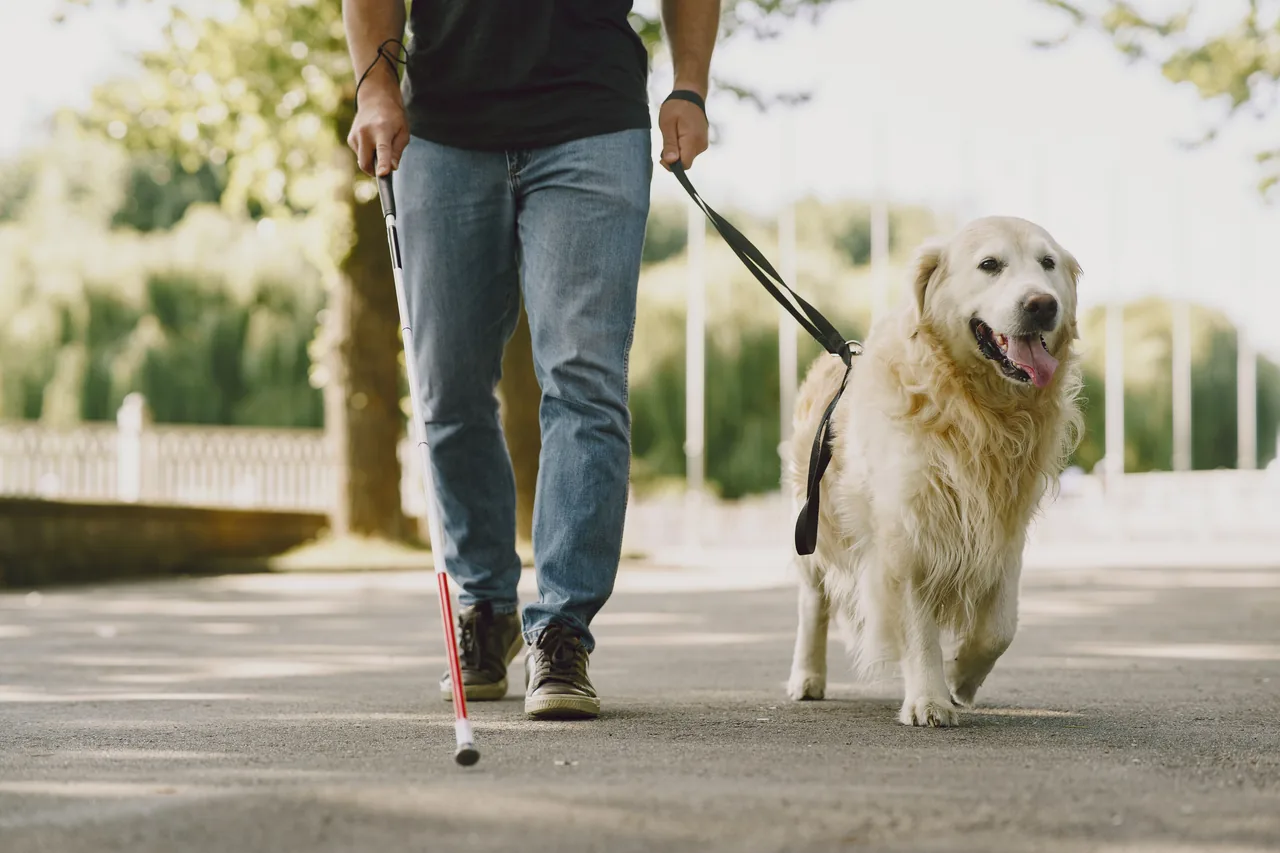
Do Service Dogs Need to Be Registered? (No — Here's the Truth)
No U.S. law requires a service dog to be registered or certified — here's why the paperwork industry exists, why its documents are meaningless, and what actually counts.
Read the guide → -

How to Train Your Own Service Dog: An Honest Owner-Trainer Guide
The real owner-trainer path — is your dog a candidate, the foundation and public-access skills, defining true tasks, honest timelines, and the legal facts (no registration required).
Read the guide → -

Mobility Service Dog Tasks: What to Train, and the Honest Limits
The trainable mobility tasks — retrieves, door and drawer tug, button presses, carrying, and light balance support — plus the honest truth about bracing and weight-bearing.
Read the guide → -
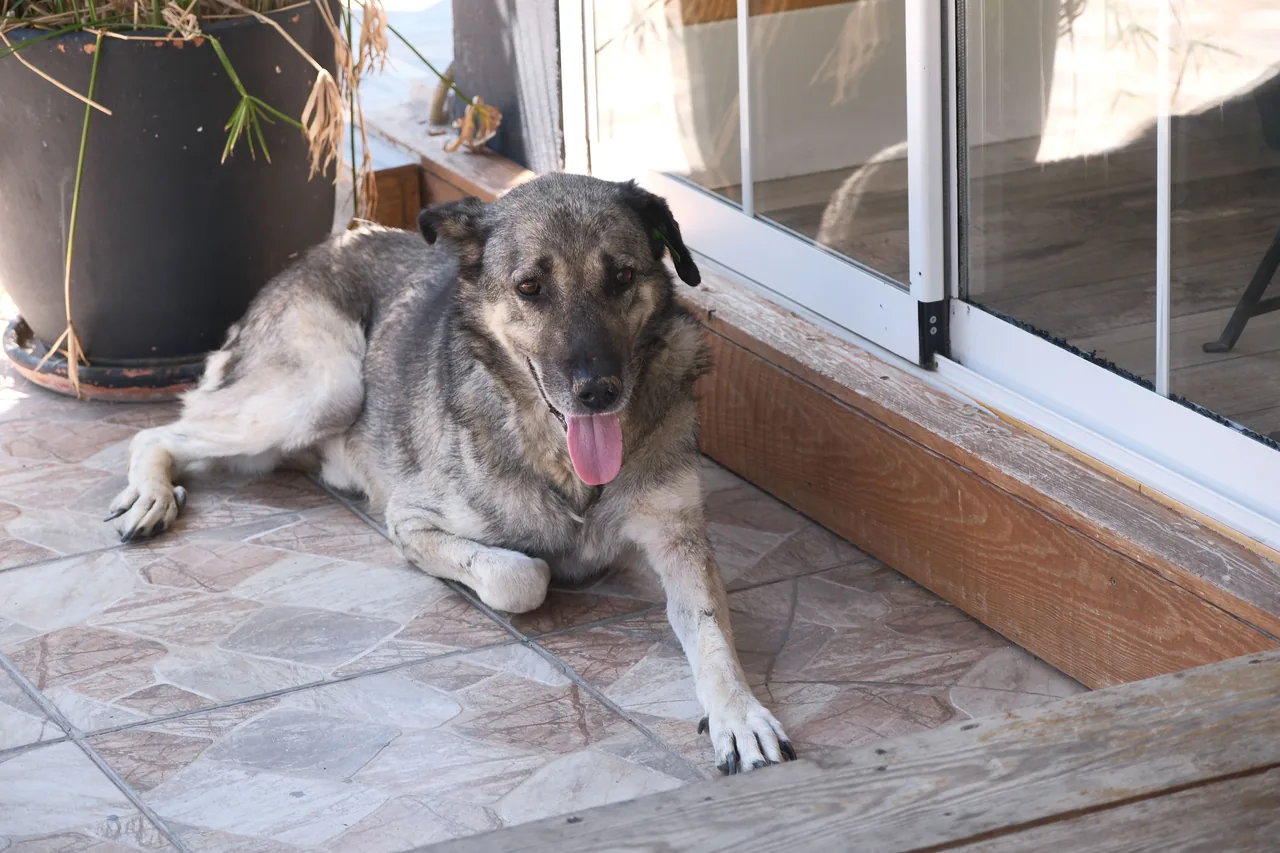
Psychiatric Service Dog Tasks: What a PTSD Service Dog Is Trained to Do
A psychiatric service dog is a full service dog. Here are the trainable tasks — panic interruption, deep pressure, guiding to an exit, nightmare waking, med reminders — and how to build them.
Read the guide → -
Seizure Response Dog Training: The Honest Response-First Guide
How to structure and reward the response tasks a seizure dog can truly be trained to do — summoning help, retrieving meds, staying close, clearing space — and why seizure alerting can never be promised.
Read the guide → -
Service Dog Public Access: Where Your Dog Can and Can't Go
Where a service dog may go, the handler's responsibilities, where access can be limited, and the truth about the voluntary Public Access Test.
Read the guide → -
Service Dog vs. Emotional Support Animal vs. Therapy Dog: The Differences That Matter
Three different roles, three different sets of rights. Here's what separates a service dog, an emotional support animal, and a therapy dog — and where each can legally go.
Read the guide → -
What Can a Business Ask About a Service Dog? The Two Questions
Staff may ask only two questions about a service dog — and there's a long list of things they may not do. Here's the ADA rule for handlers and business owners alike.
Read the guide →
Reactivity & Behavior
-

Trick-or-Treat and the Doorbell: Getting a Reactive or Anxious Dog Through Halloween Night
Doorbell, strangers, costumes, screaming kids, candy on the floor — Halloween is the worst trigger stack of the year. Here's the force-free game plan.
Read the guide → -
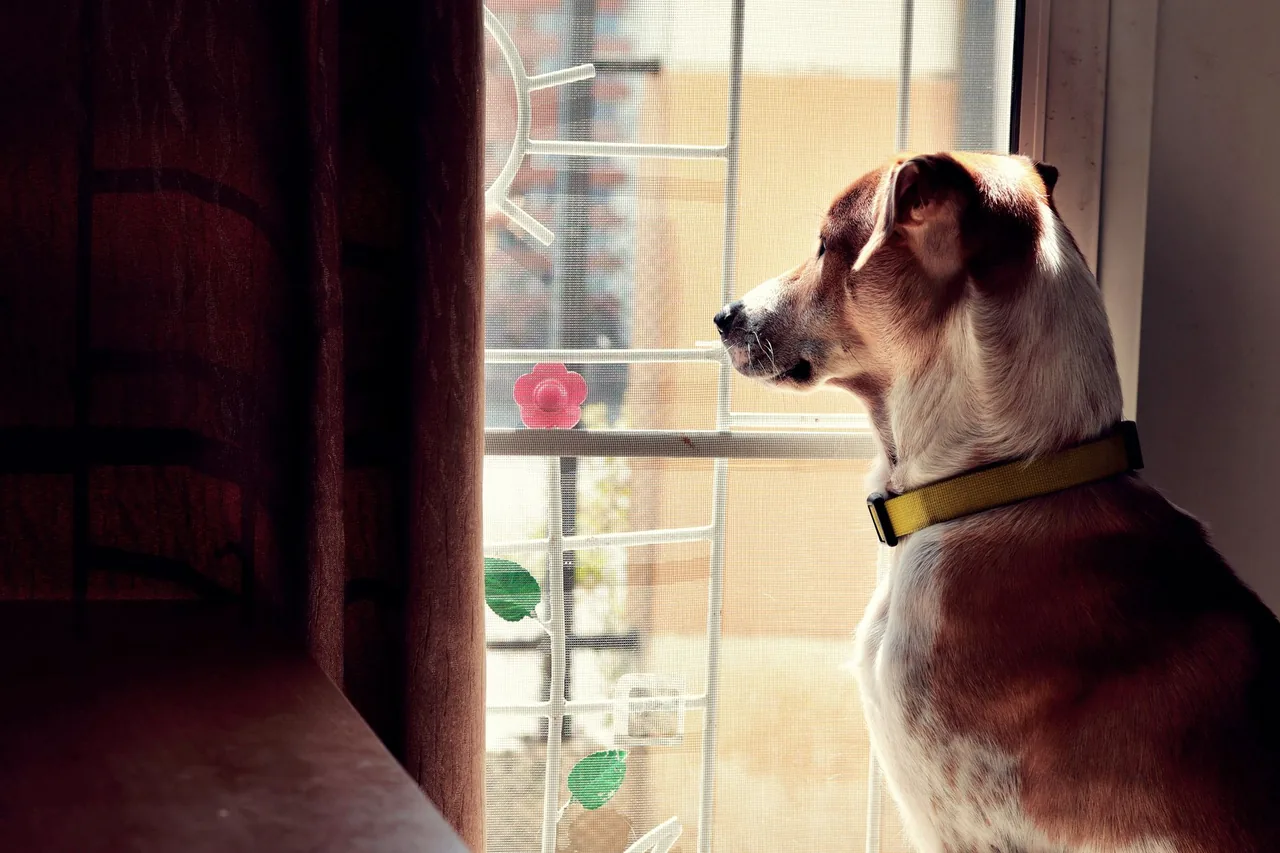
Dog Separation Anxiety — A Complete, Force-Free Guide
What separation anxiety really is, how to tell it apart from boredom, and the gradual, reward-based treatment that actually works.
Read the guide → -

The Complete Guide to Reactive Dogs: Triggers, Thresholds & the Reward-Based Fix
What reactivity is, why it happens, and the calm, reward-based method that actually changes it — the whole topic in one place.
Read the guide → -

Helping a Leash-Reactive Dog: Distance, Thresholds, and Calm Practice
A plain, reward-based starting point for the barking, lunging, and spinning at the end of the leash.
Read the guide → -
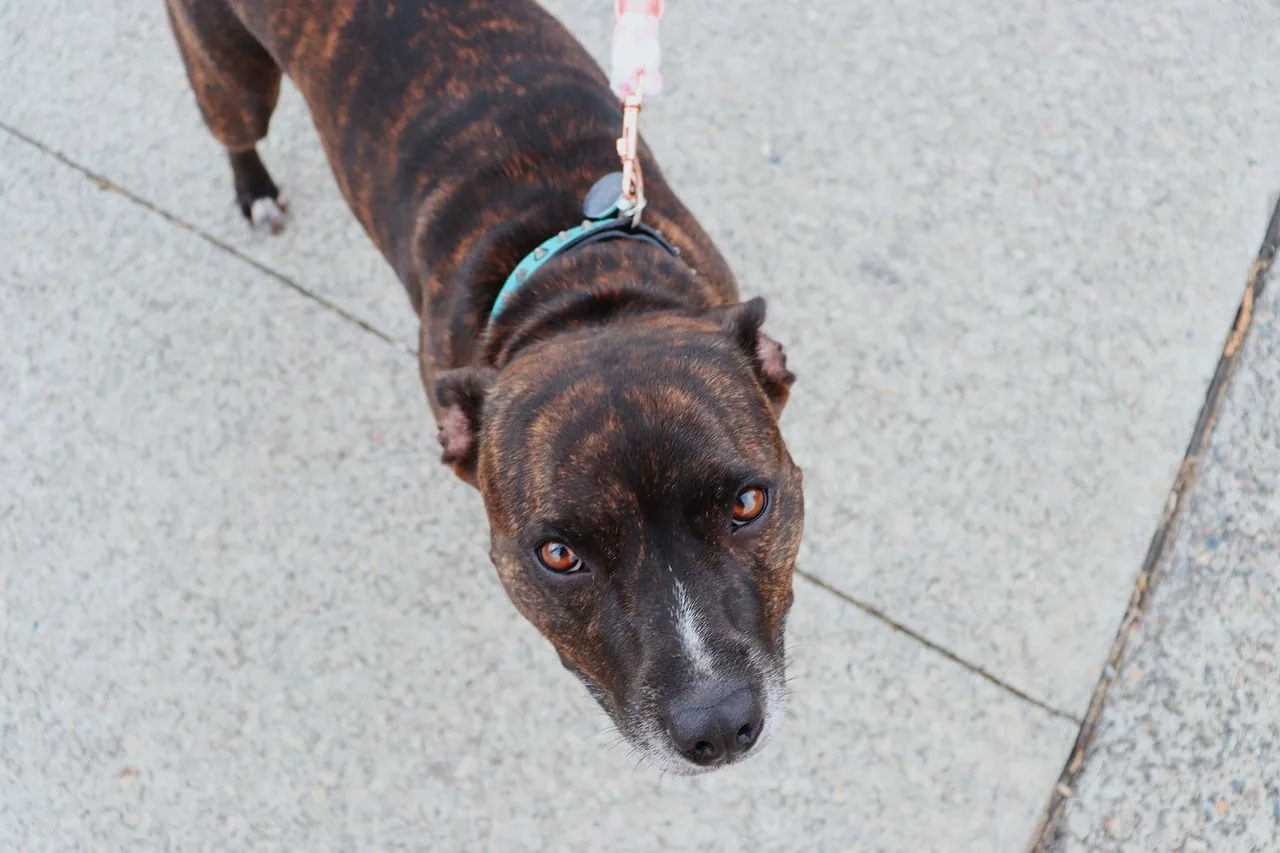
Why Is My Dog Reactive on Leash but Not Off?
Why the same dog can be a calm angel off-leash and a barking tornado on it — and what actually helps.
Read the guide → -
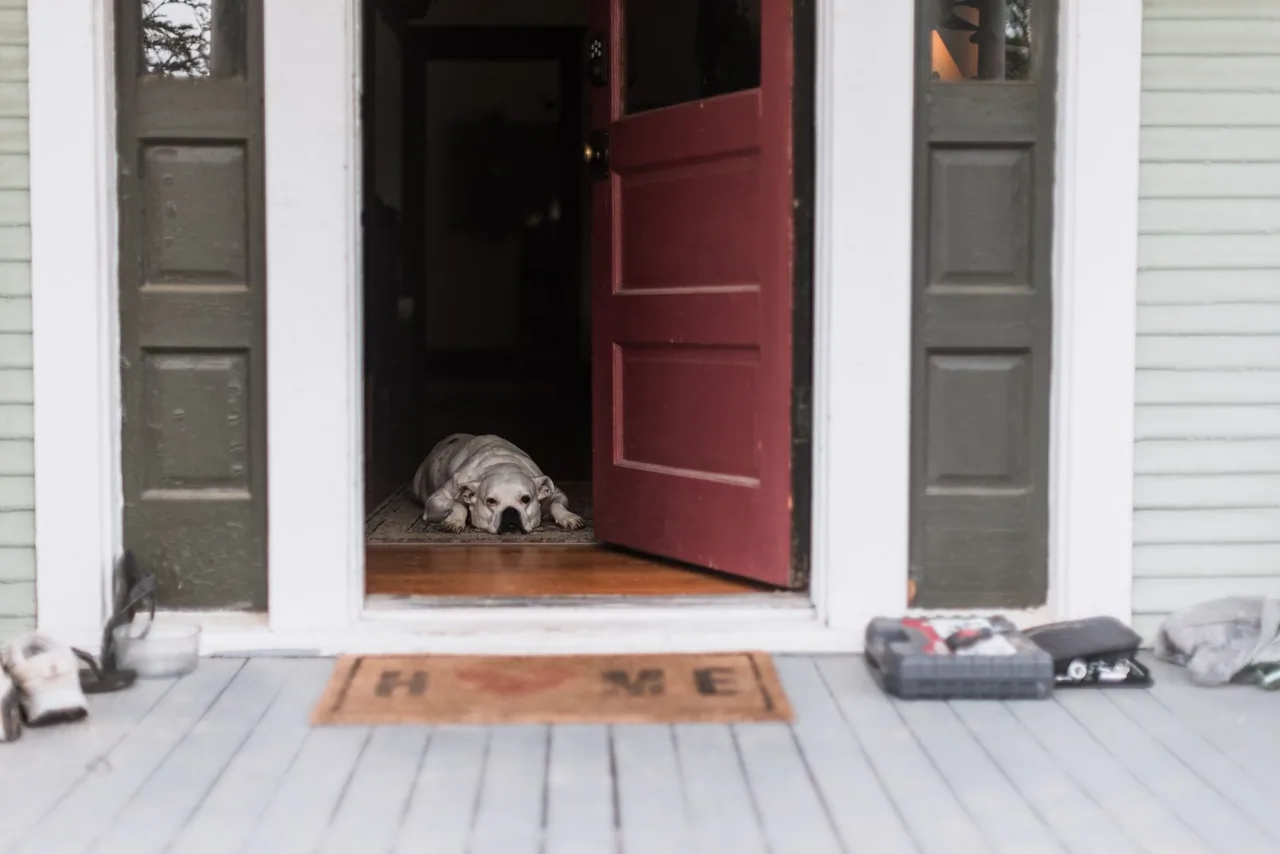
Is It Separation Anxiety or Just Boredom?
The destroyed couch and the noise complaint — how to tell panic from boredom, and what actually helps.
Read the guide → -

How Do I Stop My Dog Barking at the Window?
Why the window barking is self-rewarding — and the fastest way to stop the rehearsal.
Read the guide → -

How Do I Introduce My Reactive Dog to House Guests?
Skip the forced greeting — keep your dog under threshold and let guests predict good things.
Read the guide → -

Why Is My Dog Reactive to Some Dogs but Not Others?
It's not random — it's trigger features, context, and how stressed he already was that day.
Read the guide → -

How Do I Stop My Dog Jumping on People?
Why jumping up is so hard to shake — and the calm, reward-based way to teach four-on-the-floor instead.
Read the guide → -

Dog Reactive to Bikes, Skateboards & Scooters: Why, and What to Do
Fear, the chase instinct, or both — and the calm, distance-based plan to help a dog who loses it at anything on wheels.
Read the guide → -
Leash Reactivity vs Aggression: How to Tell the Difference
They look alike at the end of the leash — but one wants distance and one intends harm. How to read which you have.
Read the guide → -
How Long Does It Take to Fix Leash Reactivity?
The honest answer — months, not days — plus what actually speeds it up and what real progress looks like.
Read the guide → -
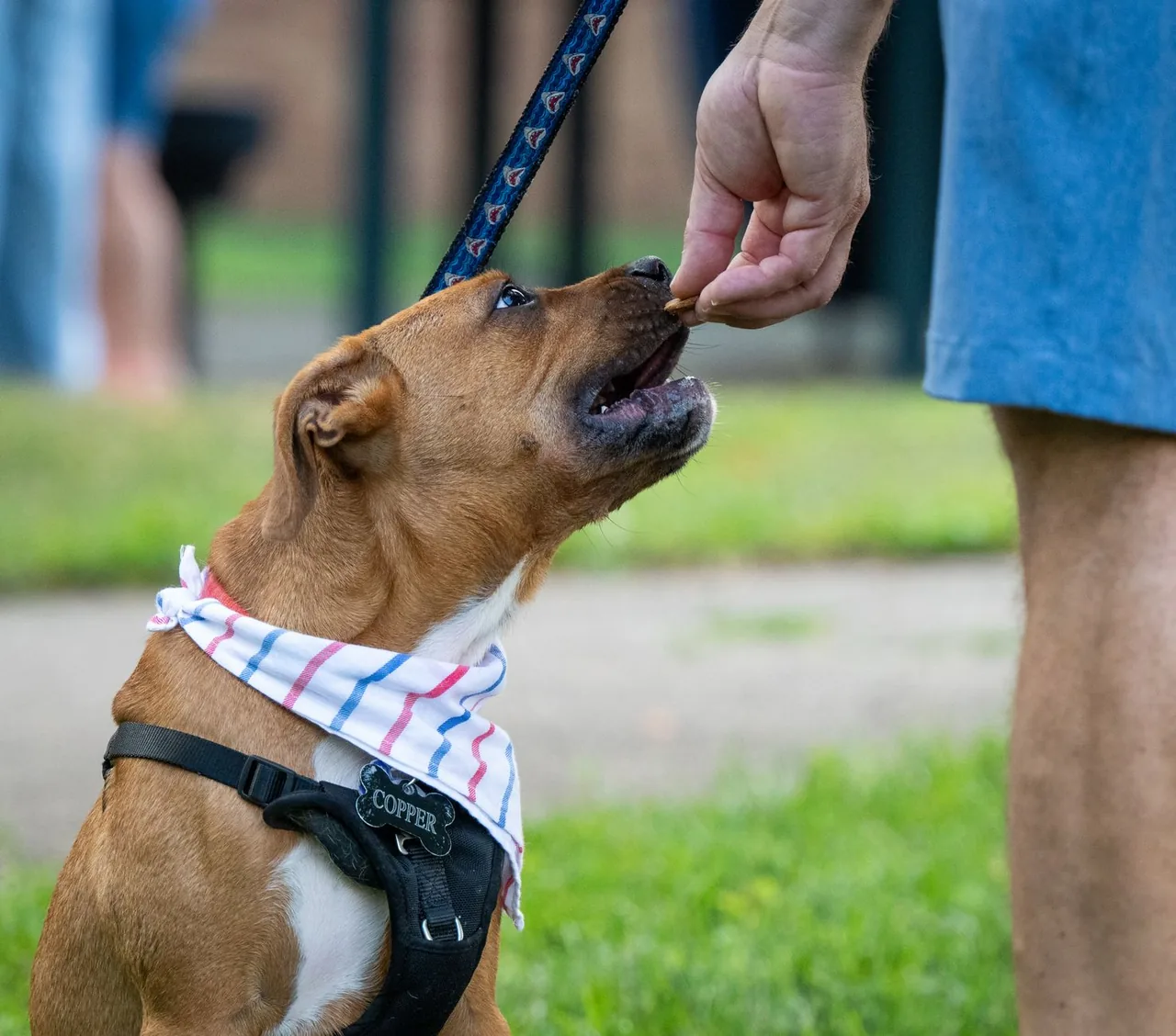
How to Counter-Condition a Reactive Dog (Step by Step)
The core reactivity protocol, spelled out — find the distance, pair the trigger with chicken, and build up without ever going over threshold.
Read the guide →
Understanding Your Dog
-

Does My Dog Hate Its Halloween Costume? How to Tell (and What to Do)
Some dogs truly don't mind dressing up — and some are quietly miserable. The difference is written all over your dog. Here's how to read it.
Read the guide → -

How to Read Your Dog's Body Language: Calming Signals, the Warning Ladder, and the Whole-Dog Picture
A plain-language guide to what your dog is telling you, before a growl ever happens.
Read the guide →
Why Does My Dog…?
-

Why Does My Dog Eat Grass?
It's one of the most common dog behaviors there is — and the old "they do it to make themselves vomit" story is mostly a myth.
Read the guide → -

Why Does My Dog Follow Me Everywhere?
From the kitchen to the bathroom, your shadow has four legs. Here's why velcro dogs happen — and how to tell devotion from distress.
Read the guide → -

Why Does My Dog Lick His Paws So Much?
Occasional licking is grooming. Constant licking is a message — most often allergies, but sometimes infection, injury, pain, or anxiety. Here's how to read the clues and when it's time to call your vet.
Read the guide → -

Why Does My Dog Yawn and Lick His Lips When He's Not Tired?
Out-of-context yawns and lip-licks are your dog's quietest "I'm uncomfortable" — and the easiest warning to miss.
Read the guide →
Can Dogs Eat…?
-

Can Dogs Eat Apples?
A crunchy, low-fat, vitamin-rich treat most dogs love — as long as the core and seeds stay in the trash.
Read the guide → -

Can Dogs Eat Cheese?
Most dogs can handle a small cube of plain cheese — but between lactose, fat, salt, and hidden add-ins, dairy earns its "caution" label.
Read the guide → -

Can Dogs Eat Onions or Garlic?
Onion, garlic, leeks, and chives — raw, cooked, or powdered — damage a dog's red blood cells and can cause a dangerous anemia that shows up days later.
Read the guide → -

Can Dogs Eat Chocolate?
Chocolate is toxic to dogs — here's why it poisons them, how much is dangerous, the signs to watch for, and exactly what to do if your dog just ate some.
Read the guide → -

Can Dogs Eat Grapes?
Grapes, raisins, and currants can cause sudden kidney failure in dogs — and because the toxic dose is unpredictable, there is no safe amount.
Read the guide → -

Can Dogs Eat Peanut Butter?
Xylitol-free peanut butter is a first-class training treat — but one sweetener on the label turns it into a veterinary emergency.
Read the guide →
Adopting & Rescue
-

The First Weeks With a Rescue Dog: How the 3-3-3 Decompression Timeline Works
A calm, phase-by-phase plan for the days, weeks, and months after you bring a rescue dog home.
Read the guide → -
What to Expect the First Week With a Rescue Dog
The dog you bring home this week isn't the real dog yet — why the first week is for decompression, not training.
Read the guide → -

Common Rescue Dog Behavior Problems (and What They Mean)
Fear, guarding, separation anxiety, reactivity, chewing — the common rescue struggles, what they mean, and what actually helps.
Read the guide → -

How Long Does It Take a Rescue Dog to Adjust to a New Home?
The honest answer to the 3-3-3 rule — a rough map, not a promise — plus what week one actually looks like.
Read the guide → -

Why Is My Rescue Dog Scared of Everything?
Fear vs. shutdown, the stress signals to read, and how to build trust without flooding a frightened dog.
Read the guide →
Puppy & New Dog
-

New Puppy Checklist: What to Buy and Do Before Week One
A category-by-category gear list plus the vet, vaccine, and socialization prep that actually decides how your first week goes.
Read the guide → -

My New Puppy Won't Sleep at Night: Why She Cries in the Crate and How to Help
Why the first nights are so hard — and the calm, kind setup that gets everyone sleeping without 'toughening her up.'
Read the guide → -
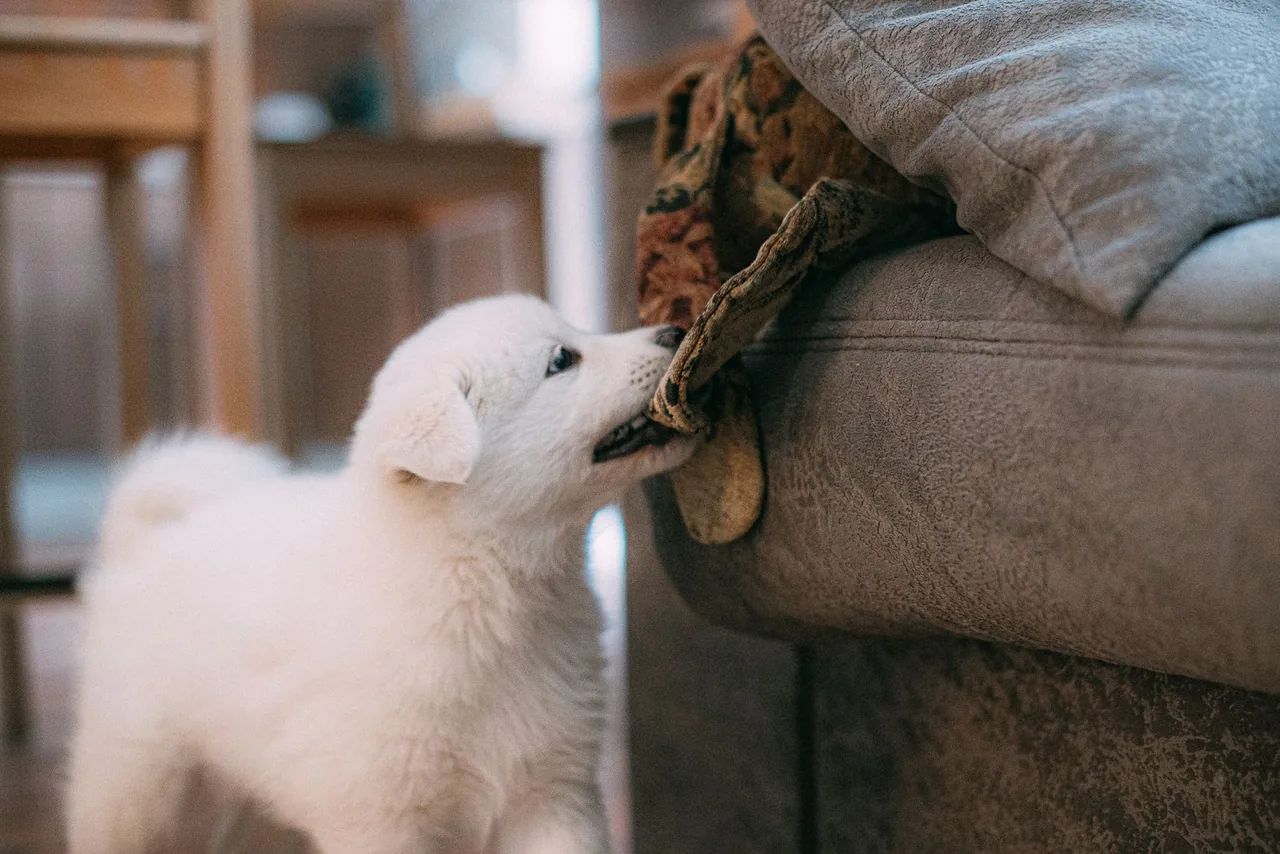
Why Does My Puppy Bite So Much — and Do Puppies Grow Out of It?
The nipping and needle teeth are normal puppy stuff — here's why it happens and how to teach a soft mouth without punishment.
Read the guide →
Everyday Care
-

Are Homemade Dog Treats Safe?
Homemade treats can be healthier than store-bought — if you skip a few toxic ingredients and mind the 10% rule. Here's the safe list, the never list, and how much is too much.
Read the guide → -

Dachshund IVDD: Protecting Your Dog's Back the Honest Way
What IVDD is, why the dachshund's long back is prone to it, the everyday habits that lower the risk, and the warning signs that mean call your vet right now.
Read the guide → -

The MDR1 Gene in Australian Shepherds: What Every Owner Should Know
What the MDR1 (ABCB1) gene variant is, why herding breeds carry it, how it changes the way a dog handles certain drugs, and why testing and telling your vet matters.
Read the guide → -

Senior Dog Quality of Life: Signs, Scales, and Knowing It Is Time
A calm, honest guide to reading an aging dog's quality of life, using a veterinary scale, and facing hard decisions with your vet and your family.
Read the guide → -

Dog Enrichment: Easy Ways to Beat Boredom and Settle a Busy Dog
Simple sniffing, foraging, chewing and problem-solving routines that meet a dog's real needs.
Read the guide → -
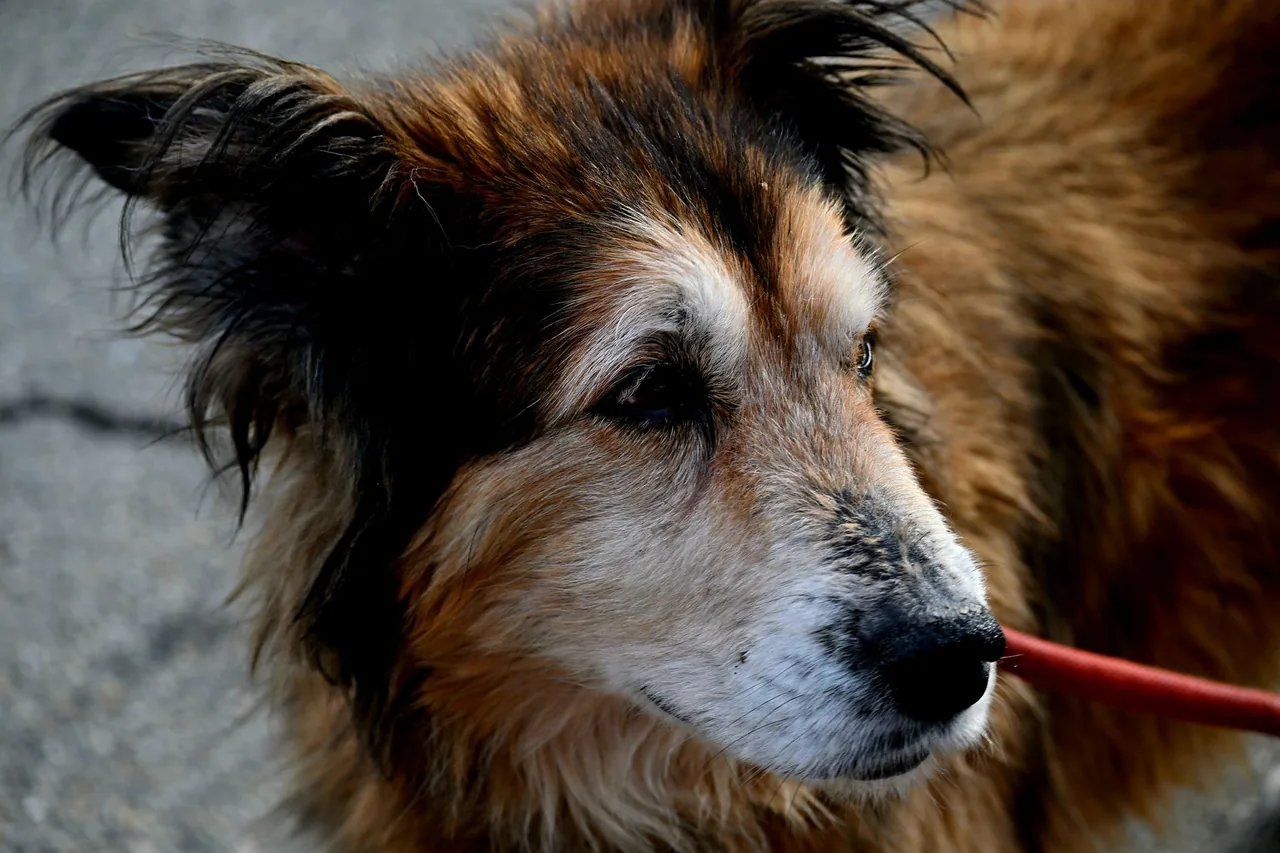
Caring for a Senior Dog: What Changes and How to Keep Them Comfortable
When "senior" begins, the signs worth watching, and the day-to-day habits that keep an aging dog comfortable.
Read the guide →
Cat Care & Behavior
-

How Long Does It Take a Cat to Adjust to a New Home?
Why hiding and barely eating is normal at first — and the real week-by-week timeline for a cat settling in.
Read the guide → -

Why Is My Cat Not Using the Litter Box?
Vet first — sudden litter-box avoidance can be a medical emergency. Then box count, litter, placement, and stress.
Read the guide → -

How Do I Read My Cat's Body Language?
Tail, ears, eyes, and posture — read together — plus the fear and overstimulation signals that come before a bite.
Read the guide →
For Pet Pros
Safety & Emergencies
-
Halloween Dog Safety: Candy, Costumes, Escapes, and Hazards
Halloween is a joy for people and a hazard for dogs — chocolate, xylitol, costumes, an open door, and candles all pose risks. Here's the calm, vet-sourced plan to prevent every one.
Read the guide → -

Pet Hurricane Plan: Your Complete Emergency-Prep Hub
A calm, vet-sourced hurricane plan for dog and cat owners — make a plan, build a go-bag, and get everyone out safely. Miami / South-Florida specifics included.
Read the guide →