Meet the AKC's 3 New Dog Breeds for 2026, and the One Arriving December 30
The American Kennel Club recognized three new breeds on January 1, 2026, and a fourth, the Peruvian Inca Orchid, joins on December 30. Here is what each one is like, how big it gets, the care it needs and the health tests to ask a breeder about.
On this page
Three breeds became fully recognized by the American Kennel Club on January 1, 2026: the Russian Tsvetnaya Bolonka, the Basset Fauve de Bretagne and the Teddy Roosevelt Terrier, bringing the AKC’s total to 205. A fourth, the Peruvian Inca Orchid, joins on December 30, 2026. Recognition means these breeds can now compete in AKC conformation and other events. And as the AKC’s chief executive, Gina DiNardo, says: “As always, it’s extremely important to do your research to find a breed that matches your lifestyle.”
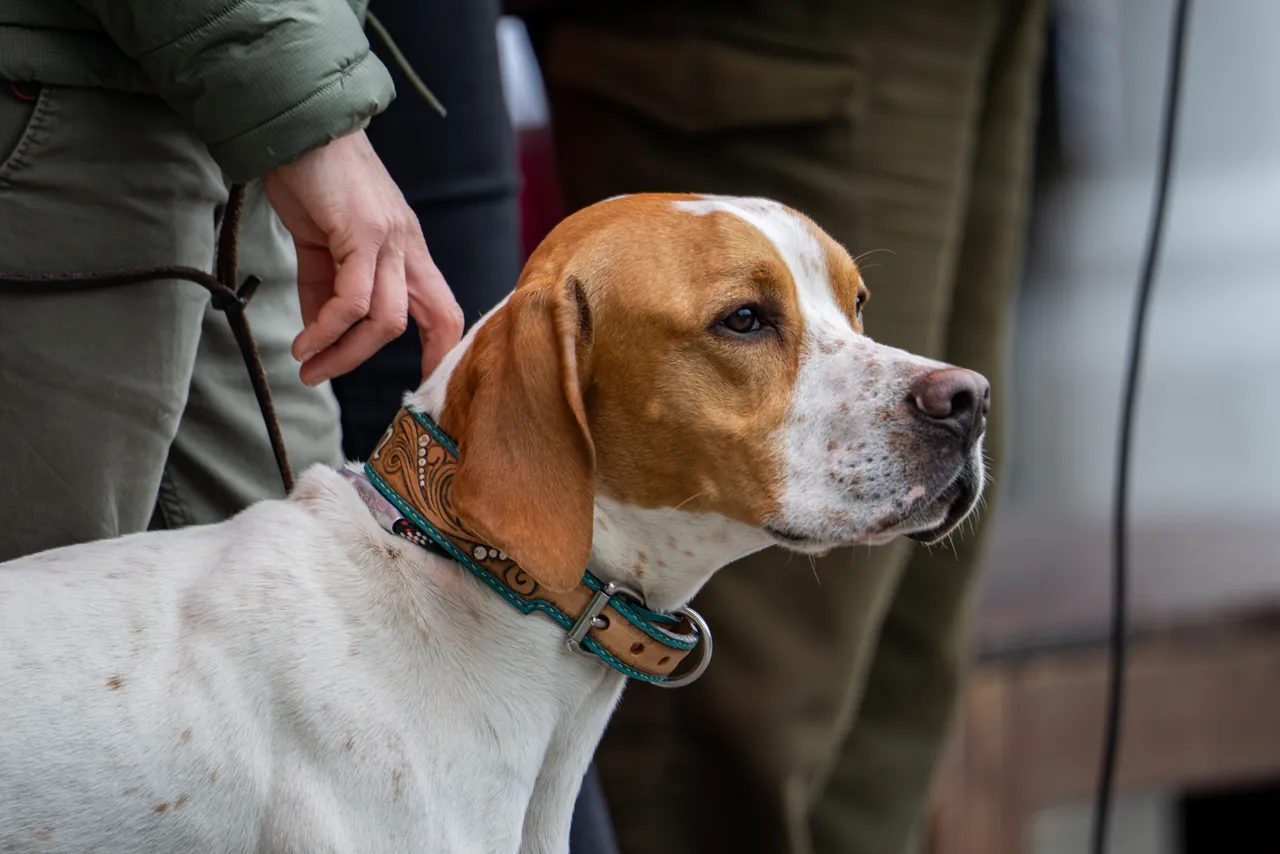
The three new breeds at a glance
| Russian Tsvetnaya Bolonka | Basset Fauve de Bretagne | Teddy Roosevelt Terrier | |
|---|---|---|---|
| AKC group | Toy | Hound | Terrier |
| Origin | Russia, from the early 1950s | France, roots in the 1500s | United States |
| Size | Up to 10.25 in tall, 7 to 9 lb | 12.5 to 15.5 in tall, about 23 to 39 lb | 8 to 14 in tall, 8 to 25 lb |
| Coat | Thick, wavy or curly double coat, any color but white | Rough and wiry, fawn from golden wheat to red brick | Smooth |
| Grooming | Brushing several times a week to prevent mats | Weekly combing; longer coats need hand-stripping | Weekly brushing |
| Exercise | Modest | Two brisk walks a day | High energy and endurance |
Russian Tsvetnaya Bolonka
The name translates to “Russian Colored Lapdog.” Breeders in St. Petersburg began developing it in the early 1950s, and the AKC describes it as loyal, sociable and easygoing, a good fit for apartment living and good with children and other dogs. It doesn’t need much exercise, but its coat does need brushing several times a week to keep it from matting. Don’t mistake small for sleepy, though: the breed club’s secretary told the AP to expect a bolonka to be like “a 3-year-old kid running around your house.”
Basset Fauve de Bretagne
An old French hunting hound, with roots in the 1500s. Its rough, wiry coat in shades from golden wheat to red brick resists dirt and mats, needs weekly combing, and longer coats need hand-stripping. The AKC recommends two brisk walks a day, and notes that it “is equally happy to settle down at night alongside its people.” The AP adds that it needs substantial mental as well as physical activity, and quoted a fauve advocate who has trained about 20 of them as medical alert dogs.
Teddy Roosevelt Terrier
An American, short-legged variety of the Rat Terrier, first known as the “Type B Rat Terrier.” It’s named after the president, but the AKC is clear: “Contrary to popular belief, Theodore Roosevelt… did not create the breed.” It’s a high-energy dog with plenty of endurance and a real drive to chase vermin and rabbits, with a smooth coat that only needs weekly brushing. With that prey drive, plan on a leash and a securely fenced yard.
The health tests to ask a breeder about
The AKC lists the tests each national breed club recommends. Ask for results on both parents:
- Teddy Roosevelt Terrier: patella (kneecap) evaluation, cardiac exam, a DNA test for primary lens luxation (PLL), and a chondrodystrophy test.
- Basset Fauve de Bretagne: patella evaluation, cardiac exam, and an eye exam by a veterinary ophthalmologist.
- Russian Tsvetnaya Bolonka: patella evaluation, cardiac exam, an ophthalmologist’s eye exam, and a DNA test for progressive retinal atrophy (PRA).
Coming next: the Peruvian Inca Orchid, December 30
The AKC’s records show the Peruvian Inca Orchid entering the Stud Book and the Hound Group on December 30, 2026. After that, the AKC has approved the Dutch Shepherd for full recognition in the Herding Group and the American Bulldog for the Miscellaneous Class, both effective June 30, 2027. And further back in the line, five breeds joined the AKC’s Foundation Stock Service in 2026: the Silken Windhound, Saarloos Wolfhond, Old Danish Pointer, Lucas Terrier and Nenets Laika.
How a breed gets here
AKC recognition isn’t quick. A breed needs active interest in the U.S., an established national breed club and enough dogs spread across the country. Most spend years in the Foundation Stock Service and then the Miscellaneous Class: the bolonka entered the Foundation Stock Service in 2015, the fauve was recorded there from 2015 and moved to the Miscellaneous Class in 2023, and the Teddy Roosevelt Terrier entered in 2016 and moved up in 2019. As an AKC representative told the AP, the club is not “adding dogs indiscriminately.”
If you’re bringing home a puppy of any breed, the free puppy weight chart and puppy weight calculator help you follow growth, and the dog name generator is there for the fun part.
Frequently asked questions
- What are the newest AKC dog breeds?
- The Russian Tsvetnaya Bolonka, the Basset Fauve de Bretagne and the Teddy Roosevelt Terrier, which became fully recognized on January 1, 2026, bringing the AKC total to 205. The Peruvian Inca Orchid enters the AKC Stud Book and the Hound Group on December 30, 2026.
- Is the Teddy Roosevelt Terrier named after the president?
- It's named after him, but the AKC says plainly that Theodore Roosevelt did not create the breed. It's an American, short-legged variety of the Rat Terrier, once called the 'Type B Rat Terrier'.
- What breeds will the AKC recognize next?
- After the Peruvian Inca Orchid on December 30, 2026, the AKC has approved the Dutch Shepherd for full recognition in the Herding Group, and the American Bulldog for the Miscellaneous Class, both effective June 30, 2027.
- How does a breed get AKC recognition?
- The AKC requires active interest in the breed in the U.S., an established national breed club, and enough dogs spread across the country. Breeds usually spend years in the Foundation Stock Service and the Miscellaneous Class first: the Teddy Roosevelt Terrier entered the Foundation Stock Service in 2016 and the Miscellaneous Class in 2019.
Educational content only — not veterinary or professional behavior advice. Consult your vet, or a certified trainer or behaviorist, for your pet. Read the full disclaimer →