Senior Cat Quality of Life: Signs, Care and Comfort
Cats hide aging well. When a cat counts as senior, the common problems and the signs owners can spot, the home changes that make the most difference, and how to think about quality of life with your vet.
On this page
A senior cat’s quality of life depends on catching the quiet changes: drinking more, jumping less, grooming less, losing weight, or using the litter box differently. Cats hide aging and pain well, which is why the 2021 AAHA/AAFP guidelines recommend checkups at least every six months once a cat is senior, and why small changes at home (a lower litter box, a ramp, a warm bed) can make a real difference. Here is what to watch for and how to help, from the feline veterinary guidelines, International Cat Care and Cornell’s Feline Health Center.
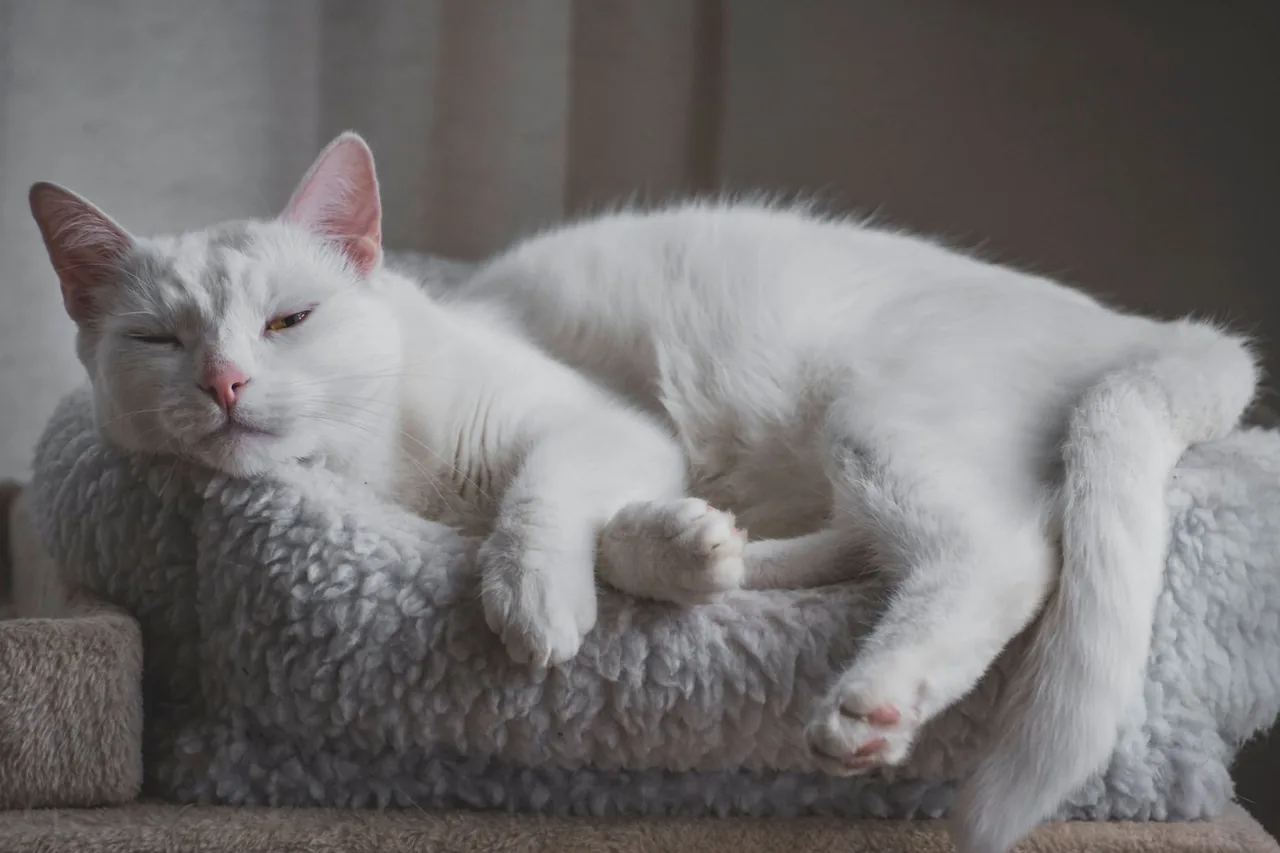
When a cat counts as senior
The 2021 AAHA/AAFP Feline Life Stage Guidelines call a cat senior once it is over 10 years old, while noting that age groups are a spectrum and some healthy older cats are best treated as mature adults. International Cat Care uses mature (7–10), senior (11–14) and super senior (15 and over). Cornell puts it simply: many cats start to show age-related changes between 7 and 10, and most do by 12. The cat age calculator shows your cat’s age in human years and its life stage.
Checkups: at least every six months
The AAHA/AAFP guidelines recommend that senior cats are seen at least every six months, and more often with chronic conditions. The AAFP’s 2021 senior care guidelines go further for the oldest cats: every four months for healthy cats over 15. Between visits, write down anything that changes: weight, thirst, appetite, litter-box habits, grooming, sleep and how much your cat jumps. The guidelines single out changes in appetite, drinking and urinating, vomiting and diarrhea as key questions at every senior visit.
The common problems, and the signs owners see
Older cats rarely have just one condition; the AAHA/AAFP guidelines note that several at once is extremely common.
Chronic kidney disease. Cornell reports it affects up to 40% of cats over 10 and 80% of cats over 15. Signs include drinking and urinating more, a poorer appetite, lethargy, an unkempt coat and weight loss.
Hyperthyroidism. About 10% of cats aged 10 and older develop it, according to Virginia Tech’s veterinary hospital. The classic picture is weight loss despite a huge appetite, plus more thirst and urination, vomiting, diarrhea, an unkempt coat, more vocalizing and more activity.
Diabetes. Cornell describes weight loss despite a good appetite, with increased thirst and urination; overweight cats are at higher risk.
Arthritis. Often missed, because cats rarely limp. International Cat Care says osteoarthritis affects around 60% of cats over 6 and up to 90% of cats over 12. Signs include reluctance to jump up or down, trouble getting into the litter box or toileting outside it, stiffness after resting, less grooming and a matted or dull coat, overgrown claws, reluctance to lower the head to the bowl, and less tolerance of being handled.
Dental disease is extremely common in older cats and can make eating painful (Cornell).
High blood pressure is common in senior cats, and International Cat Care recommends regular blood pressure checks from age 7; it can damage the eyes and cause sudden blindness.
Cognitive dysfunction. In one study, 28% of cats aged 11 to 14 developed at least one age-related behavior problem, rising to over 50% at 15 and older. Cornell lists loud vocalizing, often at night, changes in sleep, and toileting outside the box; your vet will rule out thyroid and kidney disease first.
Weight loss matters at any age: the ISFM advises investigating a loss of 10% of body weight between visits.
Home changes that make a difference
International Cat Care’s guide for cats with joint pain and Cornell suggest:
- Litter boxes with at least one low side, on every floor of the home. The box should be at least 1.5 times the cat’s length from nose to base of tail.
- Food and water at ground level, so your cat doesn’t have to jump; some cats with arthritis prefer bowls raised slightly off the floor.
- Small steps or ramps up to favorite resting spots and windows, with non-slip surfaces.
- Soft, warm beds in quiet, easy-to-reach places away from drafts; many older cats like igloo-style beds. If you use a heat source, make sure the cat can’t touch it directly.
- A horizontal scratching surface if your cat no longer stretches up to a post.
- Help with grooming and claws. Gentle, regular brushing prevents painful mats, and less active cats often need their claws trimmed.
The free senior cat quality-of-life checklist helps you track these areas between visits, and if litter-box habits change, the litter box troubleshooting checklist walks through the causes.
Thinking about quality of life
The AAFP describes several quality-of-life tools vets use, some validated and some not yet, including the HHHHHMM scale: hurt, hunger, hydration, hygiene, happiness, mobility, and more good days than bad. Its end-of-life toolkit suggests a simple habit: mark each day as good, bad or average, and bring the calendar to your next visit.
The AAFP also advises having the quality-of-life conversation long before a decision is needed. The AAHA/IAAHPC end-of-life guidelines describe the goal as balancing quality of life with length of life, with pain control and the choice between euthanasia and natural death discussed openly. These are decisions you make with your vet, and it is normal to grieve and to question them afterwards.
When to call the vet right away
A senior cat that has eaten nothing for 24 hours needs veterinary attention right away, VCA advises; cats that stop eating can develop fatty liver disease. Call the same day, too, for straining in the litter box with little or no urine, trouble breathing, or sudden blindness or collapse.
Frequently asked questions
- At what age is a cat a senior?
- The 2021 AAHA/AAFP Feline Life Stage Guidelines count a cat as senior once it is over 10 years old. International Cat Care uses mature for 7 to 10, senior for 11 to 14 and super senior for 15 and over. Cornell notes many cats show age-related changes between 7 and 10, and most by 12.
- How often should a senior cat see the vet?
- At least every six months, according to the AAHA/AAFP guidelines. The AAFP’s 2021 senior care guidelines suggest every four months for healthy cats over 15, and more often for cats with chronic conditions.
- How do I know if my old cat has arthritis?
- Look for changes rather than limping. The AAHA/AAFP guidelines and International Cat Care list jumping less or with difficulty, trouble using the litter box, stiffness after rest, less grooming or a matted coat, overgrown claws, and not liking to be handled. International Cat Care says up to 90% of cats over 12 are affected.
- What are the signs of kidney disease in older cats?
- Drinking and urinating more, a poorer appetite, looking lethargic or unkempt, and losing weight, according to Cornell. Kidney disease affects up to 40% of cats over 10 and 80% of cats over 15, Cornell reports, which is why regular blood and urine checks matter.
- How do I know when it’s time to say goodbye?
- Start the conversation with your vet early, before a crisis. The AAFP’s end-of-life toolkit suggests marking each day as good, bad or average and bringing the calendar to visits, and scales such as the HHHHHMM scale (hurt, hunger, hydration, hygiene, happiness, mobility and more good days than bad) can structure the discussion. The decision is made together with your vet.
Educational content only — not veterinary or professional behavior advice. Consult your vet, or a certified trainer or behaviorist, for your pet. Read the full disclaimer →