How to Introduce a Second Dog
The first meeting sets the tone for months. How to introduce a new dog to your dog on neutral ground, set up the house so there’s nothing to fight over, and read the body language as it happens.
On this page
Introduce a second dog outdoors on neutral ground, with each dog on a loose leash and its own handler, starting far enough apart that both can look at each other calmly. Walk them in parallel before any greeting, keep the first greeting short, then walk home together. Inside, remove the things dogs argue over and keep them apart whenever you can’t supervise. That’s the approach Humane World for Animals and VCA Animal Hospitals describe.
Most fights between new housemates aren’t about the dogs disliking each other. They’re about a doorway, a bowl, a toy or a person, in the first week, when neither dog knows the rules yet.
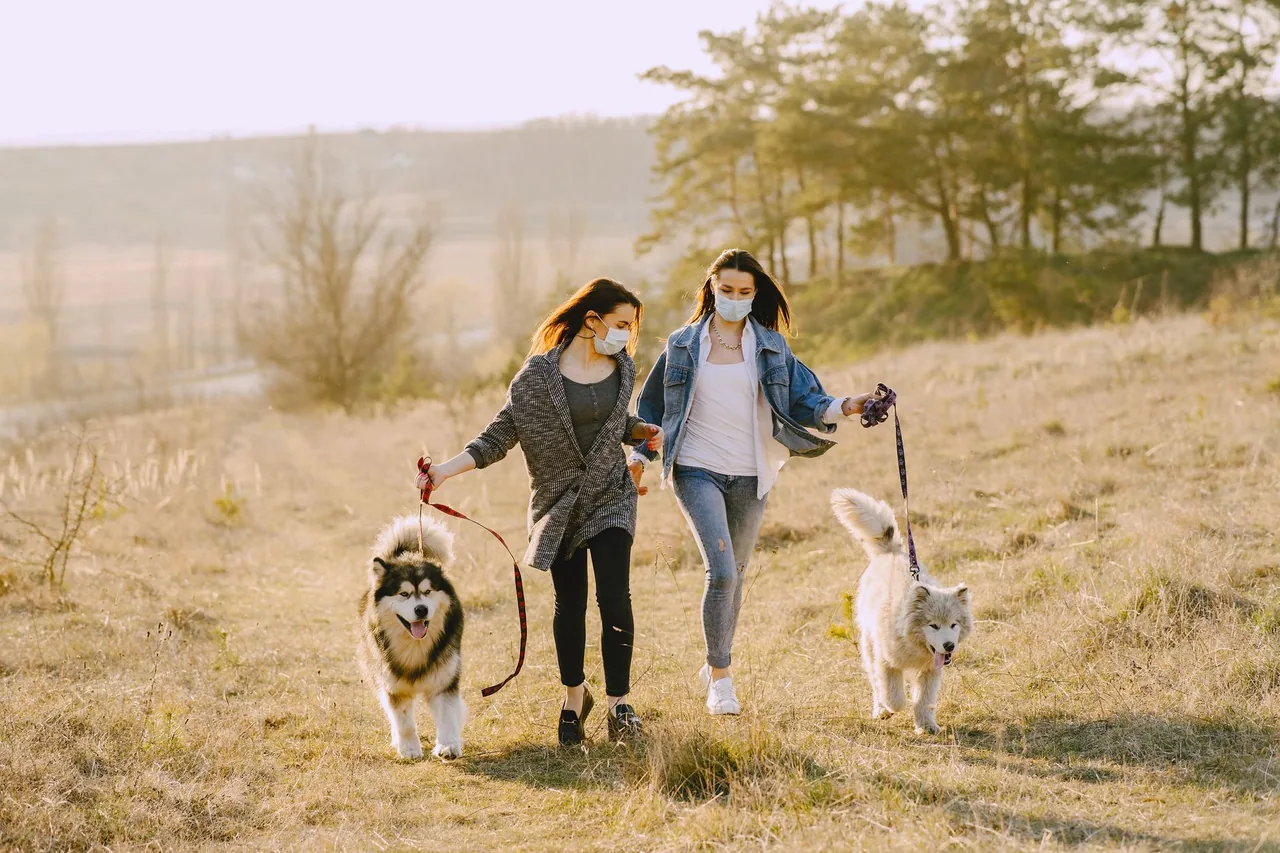
Before the meeting
Pick a place that is new to both dogs: a quiet park, a friend’s street, a trail. Humane World for Animals recommends separate handlers for each dog, leashes on both, and plenty of high-value treats. If either dog already wears a head halter, VCA says that’s fine to use; otherwise stick with what the dog knows.
Exercise both dogs a little beforehand if you can. A dog that has burned off some energy is easier to keep calm.
The meeting, step by step
- Start far apart. Humane World for Animals suggests beginning at a distance where both dogs can see each other without fixating. Reward each dog for a relaxed look, then for looking back at its handler.
- Parallel walk. Walk the dogs in the same direction with space between them: one dog following the other, then switch who leads, then side by side. Moving together lets them take in each other’s smell and body language without a face-off.
- A short greeting. Only when both dogs look loose and relaxed, let them sniff briefly on loose leashes. Count to three, then call them apart cheerfully and keep walking.
- Walk home together. Then go inside with the leashes still on for the first few minutes.
- Don’t force it. VCA advises against making dogs interact if they’d rather ignore each other. Ignoring is a perfectly good start.
Reading the body language as it happens
The AKC describes the good signs: relaxed faces and bodies, play bows, fast loose wags and wiggly back ends. Stress signs include yawning, turning the head away, a tense jaw, a low tail and shaking; the AKC suggests separating the dogs a little and simply walking on.
Humane World for Animals lists the warning signs that mean step in calmly and add distance: hackles up, bared teeth, growling, a stiff walk and a long, hard stare. Don’t scold either dog. VCA points out that a growl is a warning, and punishing it can teach a dog to skip the warning next time.
If you’re not sure what you’re seeing, the dog body-language decoder walks you through ears, tail, mouth and posture.
Set up the house so there’s nothing to fight over
Do this before the new dog walks in:
- Pick up food bowls, chews, toys and treats before the dogs share the house (Humane World for Animals).
- Feed in separate rooms, and give each dog its own bed and toys (VCA).
- Add extra water bowls and beds, and put the resident dog’s favorite things away for now (VCA).
- Use a tall, sturdy baby gate between them at first (Humane World for Animals).
- Keep them apart when you’re out, and VCA suggests separating them at bedtime at first too.
- Give each dog one-on-one time every day, so the resident dog doesn’t lose everything at once.
If the new dog is a puppy, the AKC suggests the puppy shouldn’t be the one to walk in first, and that a crate, pen or gate is used whenever you can’t watch.
The first weeks
Expect some awkwardness. Short, positive time together, then rest apart, works better than long stretches of forced togetherness. Keep a simple log of what you did together and how it went; the free second dog introduction checklist has one built in.
If the new dog is a rescue, give them room to decompress: how long a rescue dog takes to adjust explains why the first days are often quiet and the real personality shows up weeks later.
When to get help
Interrupt calmly and add distance if you see a growl, snarl, snap, lip lift or bared teeth. If the dogs are visibly stressed at home, give them a few days apart and go back to leashed walks together. And if tension keeps escalating rather than settling, talk to your vet or a qualified behavior professional before someone gets hurt.
Frequently asked questions
- Should two dogs meet for the first time at home?
- No. VCA and Humane World for Animals both recommend a first meeting outdoors on neutral ground, a place that’s new to both dogs, with each dog on a loose leash and its own handler.
- What are good signs when dogs first meet?
- The AKC lists relaxed faces, play bows, fast loose wags and wiggly back ends. Signs of stress such as yawning, head turning, a tense jaw, a low tail or shaking mean give them space and keep walking.
- My resident dog growled at the new dog. Should I correct it?
- VCA advises against scolding a growl: it’s a warning that tells you the dog needs space. Calmly add distance, and talk to your vet or a behavior professional if tension keeps building.
- When can I leave the dogs alone together?
- There’s no set number of days. Humane World for Animals says to keep supervising until you are completely confident they are safe together; until then, separate them when you go out.
Educational content only — not veterinary or professional behavior advice. Consult your vet, or a certified trainer or behaviorist, for your pet. Read the full disclaimer →