Is Sago Palm Toxic to Dogs and Cats?
Sago palm is the opposite of the mild houseplants on this list. Every part of it is toxic, the seeds most of all, and the ASPCA's list of signs ends in liver failure and death.
On this page
Yes, sago palm is toxic to dogs and cats, and it’s one of the most dangerous plants a pet can chew. The ASPCA lists it as “Toxic to Dogs, Toxic to Cats, Toxic to Horses,” with signs that run from vomiting to liver failure and death. Every part is toxic, the seeds most of all, so go to a vet right away, even if your pet seems fine.
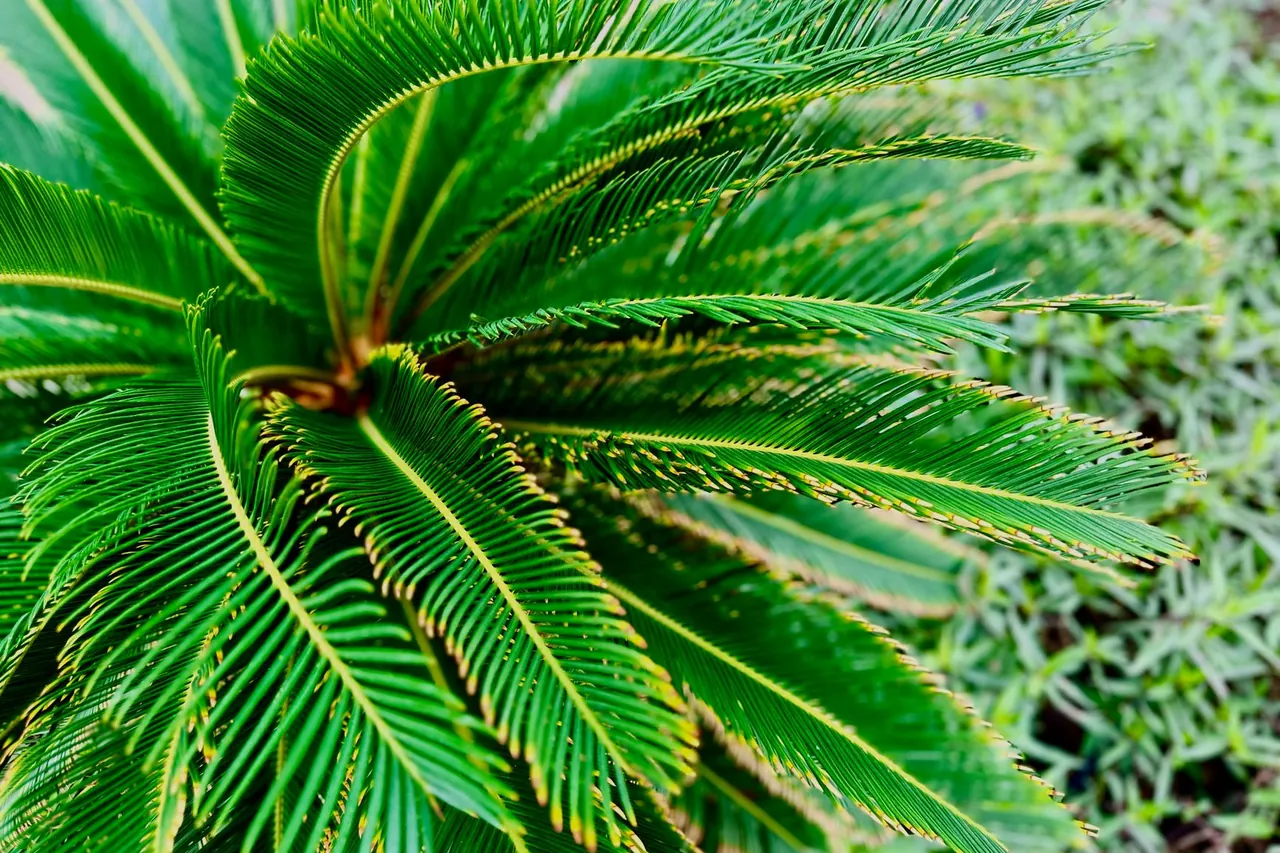
What happens if a dog eats sago palm
The ASPCA entry covers Cycas revoluta and zamia species (family Cycadaceae), also known as coontie palm, cardboard palm, cycads and zamias. The Toxic Principle is “Cycasin,” which Pet Poison Helpline calls “a highly toxic plant chemical.”
Merck is direct: “Dogs are extremely sensitive to toxicity of cycads or sago palms.” It adds that “seeds are the most toxic part of the plant, however, all parts are considered toxic.” Signs are “often evident within the first 4 hours of ingestion” and can “progress to liver failure within 48–72 hours.” Merck notes that “many fatalities are a result of hepatic necrosis,” meaning death of liver tissue.
How often is it fatal? The figure depends on the study:
- 32.1%: a 1998 review of 60 cases from poison-center records (Albretsen and colleagues, JAVMA).
- 50%: a 2011 study in which 17 of 34 dogs died or were euthanized as a direct result (Ferguson and colleagues, Journal of Veterinary Internal Medicine). The authors said fatality was higher than previously published.
- 64%: a 2017 study of 14 dogs in Texas, 9 of which died (Clarke and Burney, JAAHA).
The ASPCA, Merck and Pet Poison Helpline pages don’t give a percentage.
What happens if a cat eats sago palm
The ASPCA lists cats as affected, with the same clinical signs it gives for dogs. The mortality studies above were all in dogs, so there’s no cat-specific figure to quote. That’s not a reason for less urgency: treat a cat that chewed sago palm exactly like a dog that did.
Signs to watch for
The ASPCA’s Clinical Signs field lists: “Vomiting, melena, icterus, increased thirst, hemorrhagic gastroenteritis, bruising, coagulopathy, liver damage, liver failure, death.” In plain terms:
- Vomiting
- Melena: black, tarry stool
- Icterus: yellowing of the gums, eyes or skin (jaundice)
- Increased thirst
- Hemorrhagic gastroenteritis: bloody vomiting or diarrhea
- Bruising and coagulopathy, meaning the blood doesn’t clot normally
Don’t wait for any of these. Merck says the prognosis is “guarded to poor in patients who develop notable clinical signs or have a delay in treatment.”
What to do right away
- Go now to your vet or the nearest emergency clinic.
- Call on the way: ASPCA Animal Poison Control (888) 426-4435 or Pet Poison Helpline (855) 764-7661 (a fee may apply).
- Bring evidence: a piece of the plant, a seed or a photo, and your best guess at how much is missing.
Then deal with the plant. If a sago palm grows in your yard or sits in a pot indoors, the safest choice in a pet home is to remove it. Azaleas and tulip bulbs are other garden plants to check. For indoor greenery, the ASPCA lists the spider plant as non-toxic to dogs and cats. Keep the numbers on a pet poison emergency card, and stock your kit with the dog first-aid checklist.
Frequently asked questions
- How much sago palm is dangerous?
- The sources don't give a safe amount. Merck says all parts are considered toxic and the seeds are the most toxic part, and Pet Poison Helpline warns about any part of the plant, especially the seed. Treat any chewing or any missing seed as an emergency.
- What is the survival rate for sago palm poisoning in dogs?
- It varies by study. A 1998 review of 60 cases reported a mortality rate of 32.1%. A 2011 study found that 17 of 34 dogs (50%) died or were euthanized as a direct result, and said fatality was higher than previously published. A 2017 study of 14 dogs in Texas reported that 9 (64%) died. Merck adds that the prognosis is guarded to poor once notable signs develop or treatment is delayed, which is why speed matters.
- Is sago palm toxic to cats?
- Yes. The ASPCA lists sago palm as toxic to cats, with the same clinical signs it gives for dogs, up to liver failure and death. The published mortality studies cited here were done in dogs, so there are no cat-specific figures to quote, but the plan is the same: go to a vet immediately.
- What other names does sago palm go by?
- The ASPCA lists 'Coontie Palm, Cardboard Palm, cycads and zamias,' with the scientific names Cycas revoluta and zamia species. The toxin, cycasin, is named by both the ASPCA and Pet Poison Helpline.
Educational content only — not veterinary or professional behavior advice. Consult your vet, or a certified trainer or behaviorist, for your pet. Read the full disclaimer →