Is a Spider Plant Safe for Dogs and Cats?
Looking for a houseplant that won't send you to the poison line? The ASPCA lists the spider plant as non-toxic to both dogs and cats, which makes it the go-to swap on this list.
On this page
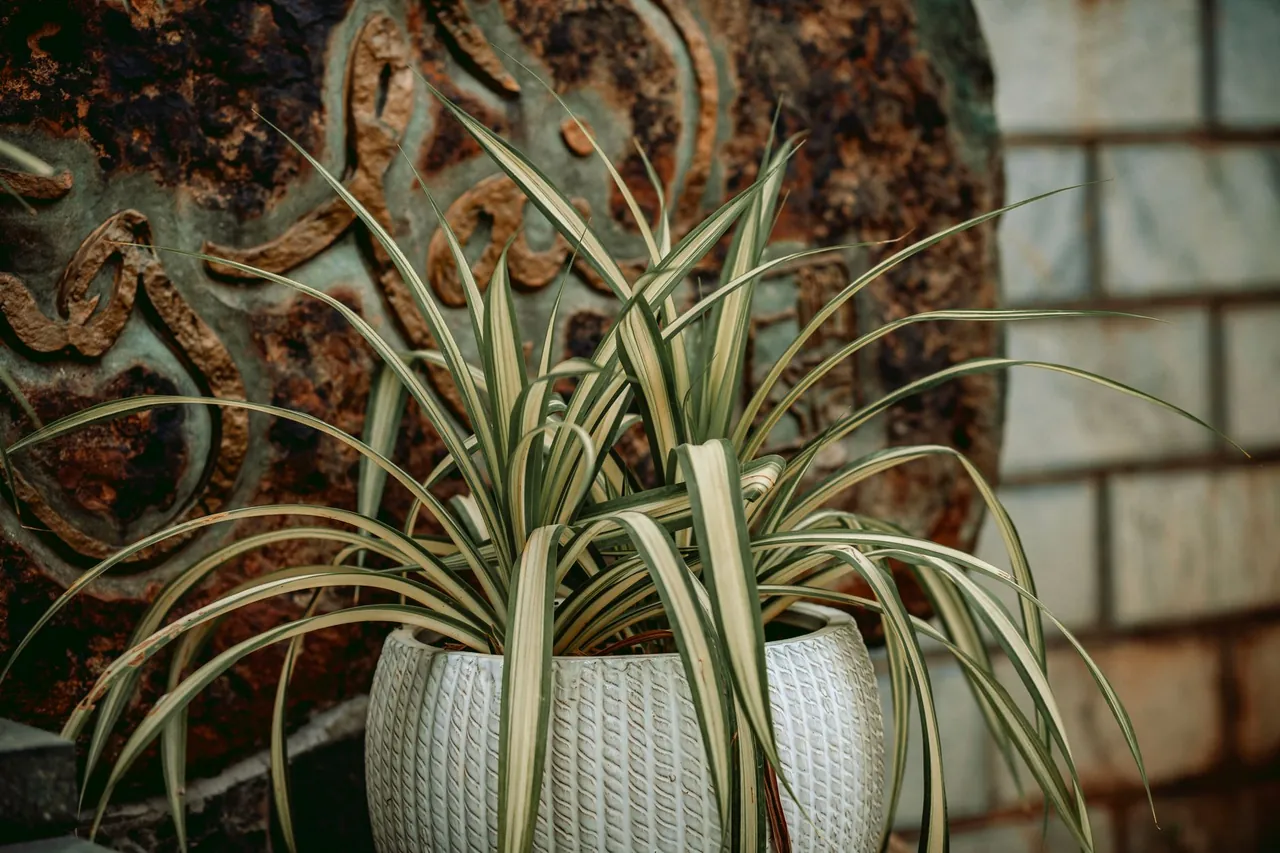
Yes, a spider plant is safe for dogs and cats. The ASPCA lists Chlorophytum comosum as “Non-Toxic to Dogs, Non-Toxic to Cats,” and its entry names no toxic principle and no clinical signs. That makes it the easiest swap in a home where pets and plants share space.
What happens if a dog chews a spider plant
According to the ASPCA’s entry (family Asparagaceae), nothing toxic. The verdict for dogs is “Non-Toxic,” with no Toxic Principles or Clinical Signs listed. That sets it apart from the other houseplants in this series. Pothos, monstera and the peace lily all carry crystals that burn the mouth, and the snake plant and aloe vera are listed as toxic for their saponins.
Non-toxic isn’t the same as edible, though. A dog that shreds a whole plant has still eaten leaves and potting mix, so if your dog vomits or seems unwell afterward, call your vet. With a puppy that chews everything, a spider plant on a shelf still beats one on the floor.
What happens if a cat chews a spider plant
The ASPCA lists cats as “Non-Toxic” too. That’s useful for cat owners, since true lilies and daylilies can cause kidney failure in cats (lilies and cats). A spider plant is a reasonable choice for the spot where a lily bouquet might otherwise go.
Signs to watch for
The ASPCA lists no clinical signs for the spider plant. So if your pet shows drooling, mouth irritation or vomiting after chewing a plant, ask yourself whether it was really a spider plant. Those are the signs the ASPCA lists for pothos, monstera and peace lily. With no toxic principle on the spider plant’s entry, there’s no poisoning timeline to wait out: any sign is a reason to recheck the plant’s identity, then call.
Names can cause mix-ups. The ASPCA lists “Ribbon Plant, Anthericum, Spider Ivy” as other names for the spider plant. Devil’s ivy, on the other hand, is pothos, which is toxic to dogs and cats. When you buy, check the scientific name on the label.
What to do if you’re not sure
- Identify the plant. Check the label or take a photo of the whole plant.
- Call if your pet is unwell or the plant is unknown: your vet, ASPCA Animal Poison Control (888) 426-4435 or Pet Poison Helpline (855) 764-7661 (a fee may apply).
- Keep the numbers handy with a pet poison emergency card.
A simple swap list
Planning a pet-friendly room? Use the spider plant to replace the plants the ASPCA lists as toxic:
- Pothos, monstera and peace lily: insoluble calcium oxalate crystals that burn the mouth.
- Snake plant: saponins, with nausea, vomiting and diarrhea.
- Aloe vera: saponins and anthraquinones, with vomiting, lethargy and diarrhea.
- True lilies and daylilies: kidney failure in cats, so leave them out of a cat home entirely.
The puppy-proofing checklist and the new cat checklist both help you walk the house plant by plant.
Frequently asked questions
- Are spider plants toxic to cats?
- No. The ASPCA lists the spider plant as 'Non-Toxic to Cats' and gives no toxic principle or clinical signs for it. That verdict comes from the ASPCA's plant database.
- My cat keeps chewing the spider plant. Should I worry?
- Not about poisoning, per the ASPCA's listing. A plant still isn't food, though, so if your cat vomits, drools or seems off after chewing, call your vet and make sure the plant really is a spider plant. Moving it out of reach is the simple fix if the chewing bothers you.
- Is a ribbon plant the same as a spider plant?
- Yes. The ASPCA lists 'Ribbon Plant, Anthericum, Spider Ivy' as other names for Chlorophytum comosum. Be careful with 'ivy' names, though: devil's ivy is pothos, which the ASPCA lists as toxic to dogs and cats.
Educational content only — not veterinary or professional behavior advice. Consult your vet, or a certified trainer or behaviorist, for your pet. Read the full disclaimer →