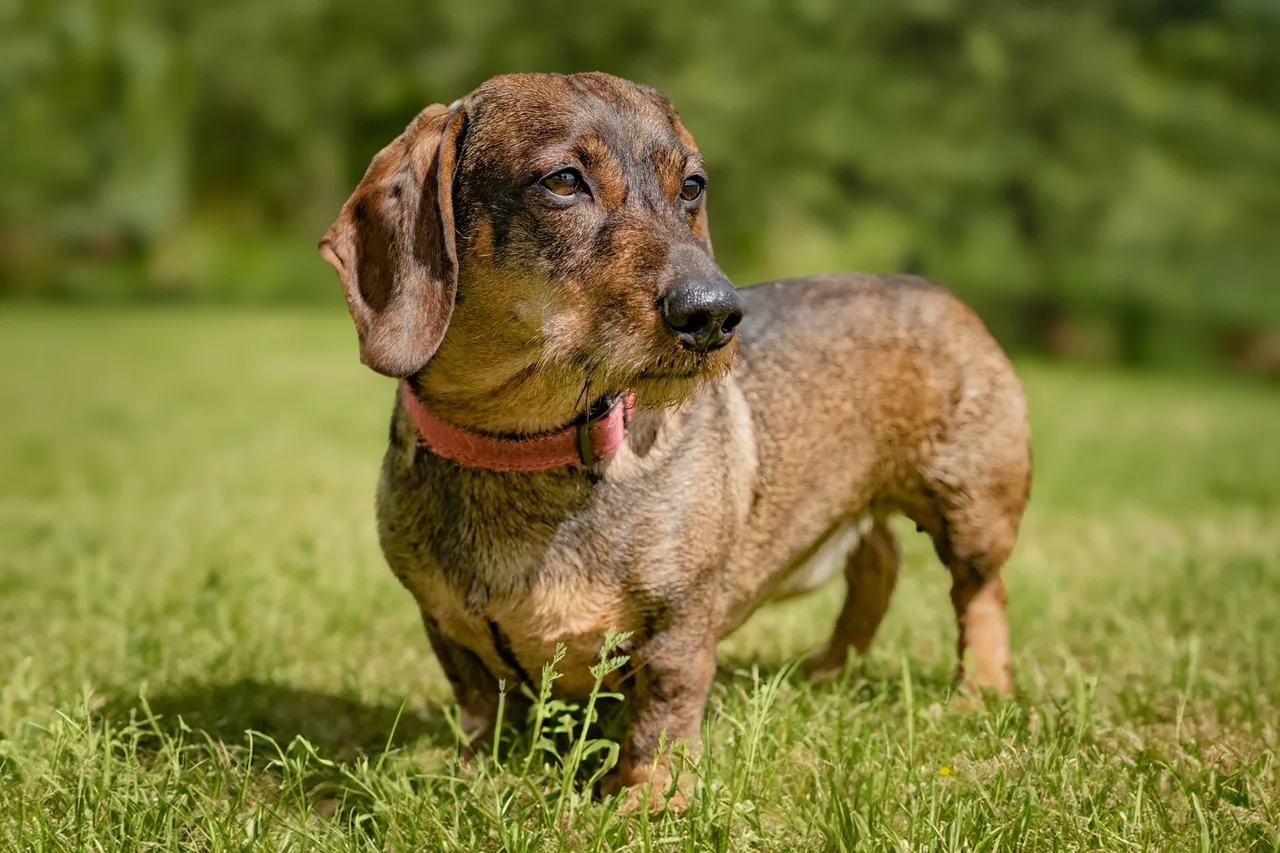
Personality
Dachshunds are devoted to their families (the AKC rates them 5 of 5 for affection) and generally friendly, but also brave, independent and vocal: the AKC rates barking 5 of 5. Bred to follow a scent and work on their own, they can tune you out when something more interesting is going on.
Exercise
Small doesn’t mean sedentary. The AKC recommends two walks of moderate length every day, both for fitness and to build the muscle that supports the back. To avoid injury, the AKC advises not letting a Dachshund run up and down stairs or jump on and off furniture: use ramps, steps and a lift.
Grooming
Grooming depends on the coat. Smooth coats need little more than a wipe with a hound glove; long coats need regular brushing; wire coats are hand-stripped a few times a year. Dachshunds are moderate shedders. Keep the drop ears clean to prevent infections.
Health: what to know
- Intervertebral disc disease (IVDD). In the DachsLife 2015 survey of 2,031 Dachshunds, 15.7% had been diagnosed with IVDD, with risk varying by variety. Watch for back pain, reluctance to move, wobbliness or dragging legs, and treat sudden weakness as an emergency.
- Weight. The AKC’s first rule for protecting the back is preventing obesity. Keep your Dachshund lean.
- Ears. Like most drop-eared dogs, Dachshunds can get ear infections if the ears aren’t kept clean.
Training
Intelligent but independent, Dachshunds can be stubborn. The AKC says they do best with positive, reward-based training and react badly to harsh commands or punishment. Patience and consistency are key, and a strong prey drive means recall needs extra practice.
Is this breed right for you?
- Owners who want an affectionate, characterful small or medium dog
- Homes willing to add ramps or steps and keep the dog off high furniture
- People who enjoy daily moderate walks
- Homes with lots of stairs and no way to carry or gate them
- Owners who need a quiet dog
- Anyone unwilling to manage weight strictly