Personality
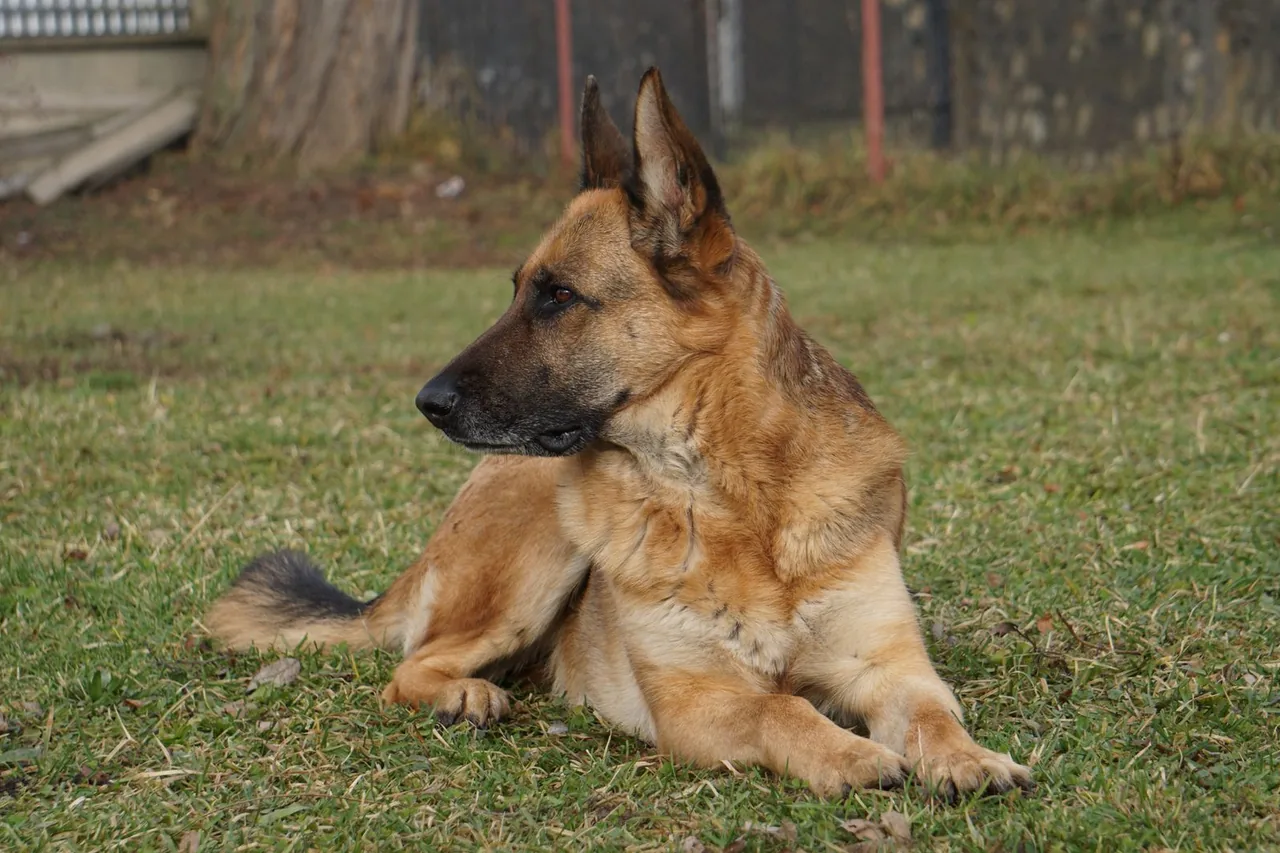
German Shepherds are loyal, confident and strongly bonded to their families; the AKC says they are happiest living in the household and included in family activities. They are typically reserved with strangers at first (3 of 5) and protective of their people.
Exercise
As a very active, athletic breed, the German Shepherd needs plenty of exercise for body and mind, and the AKC warns that an under-exercised dog becomes frustrated and develops unwanted behaviors. Puppies start with short daily walks and play in a fenced area. Agility, herding, tracking and dock diving are great outlets. Keep the dog on leash outdoors, since even a well-trained dog can be distracted.
Grooming
The medium-length double coat is easy to maintain but sheds: the AKC rates shedding 4 of 5. A quick brush every few days removes loose hair, with more frequent brushing during the heavy sheds once or twice a year. Baths are only occasional.
Health: what to know
- Hip and elbow dysplasia, degenerative myelopathy. The AKC lists these as conditions responsible breeders screen for. Ask for the parents’ results.
- Bloat (gastric dilatation-volvulus). A sudden, life-threatening swelling of the stomach that the AKC says owners should learn to recognize. Retching without bringing anything up and a swollen belly mean go to an emergency vet now.
- Exercise for growing puppies. Large breeds grow for longer; build exercise gradually while the skeleton matures.
Training
Highly intelligent and an extraordinary worker, the German Shepherd does best with consistent, positive, reward-based training, says the AKC. Early socialization and puppy classes are vital, and ongoing obedience work keeps an adult adaptable and well-mannered.
Is this breed right for you?
- Active families who want a loyal, trainable dog
- Owners who enjoy daily training and dog sports
- Homes ready for a lot of dog hair
- Owners away most of the day
- People wanting a low-shedding or low-energy dog
- Homes that can’t commit to early socialization