

Is a German Shepherd right for you?
German Shepherds are among the most intelligent and trainable breeds, which is exactly why they are demanding. A Shepherd wants to work with you, learn quickly, and stay busy. Give it a purpose and you get an extraordinary partner; leave it under-stimulated and it will invent jobs you did not ask for, such as patrolling windows, herding children, or barking at everything that moves.
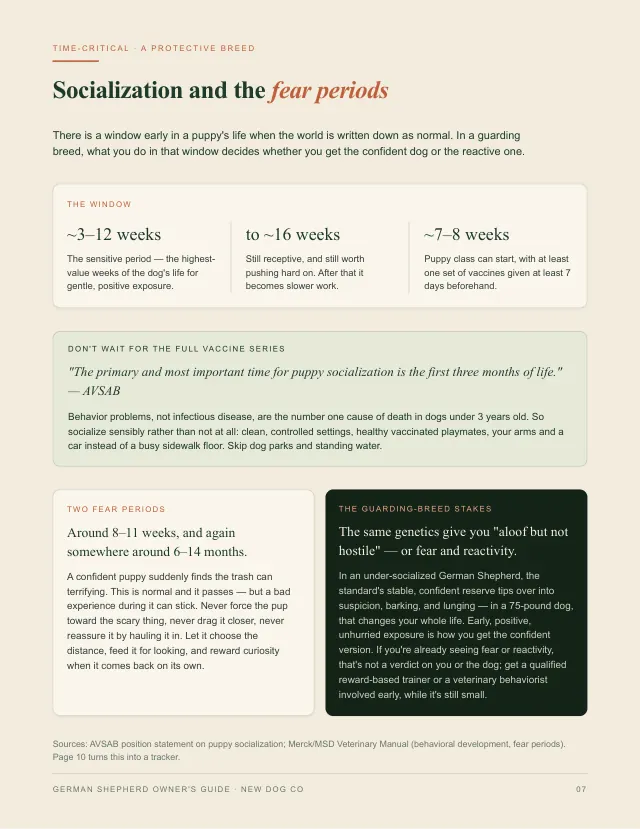
They are famously loyal and can be reserved with strangers. That loyalty is a gift, but without steady socialization it can tip into over-guarding or nervousness. Early, positive exposure is not optional for this breed.
The honest downsides: they shed constantly, need daily physical and mental exercise, and are strong enough that training must start early. They do best with owners who are home often, enjoy teaching, and see grooming and engagement as part of the deal rather than a chore.
Exercise, energy, and daily life
This is a working breed with real stamina, and its mind tires more slowly than its body. Plan on at least an hour or more of real activity a day for most adults, but understand that a long walk alone rarely satisfies a Shepherd. The mental job is what settles them.
Rotate activities so life stays interesting: brisk walks or jogs, structured fetch, tug with rules, and short training bursts throughout the day. Scentwork and tracking are ideal because they tap into the breed's natural drive and tire the dog out in a good way.
- Split effort between body and brain, not just distance
- Teach an off-switch so the dog learns to settle indoors
- Protect growing puppies from repetitive high-impact work and long forced runs
An adult Shepherd that gets a real job is calm and companionable at home. One that is chronically under-worked becomes restless, vocal, and hard to live with, which is the source of most 'bad Shepherd' reputations.
Grooming and the double coat
The German Shepherd's weatherproof double coat is beautiful and sheds year-round, earning the nickname 'German shedder.' Expect hair on floors, clothes, and furniture as a baseline, plus two heavier seasonal sheds when the undercoat 'blows.'
Brush several times a week with an undercoat rake or slicker, and daily during a coat blow to keep loose fur under control and the coat healthy. Regular brushing also lets you check skin for hot spots and irritation, since the breed can be prone to allergies.
- Bathe only as needed; over-bathing strips protective oils
- Never shave the double coat, which protects against heat and cold
- Keep nails trimmed and check ears, especially in active dogs
Grooming is also handling practice. A Shepherd that learns to accept brushing, nail trims, and ear checks calmly makes vet visits far easier for everyone.
German Shepherd health: what to watch for
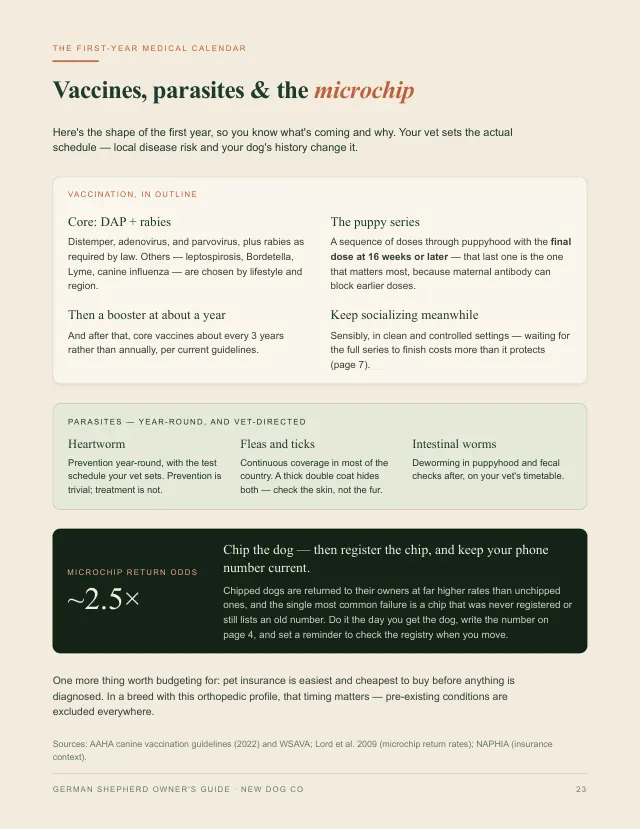
Shepherds are generally hardy, but the breed has well-documented predispositions worth understanding. Orthopedic issues lead the list: hip and elbow dysplasia are recognized concerns, and organizations such as the Orthopedic Foundation for Animals (OFA) support screening of breeding dogs. Ask breeders about hip and elbow evaluations.
Degenerative myelopathy (DM), a progressive spinal cord disease, is associated with a gene common in the breed; a DNA test exists to identify at-risk dogs. As a deep-chested breed, Shepherds also carry elevated risk of bloat/GDV, a sudden, life-threatening emergency described by the AVMA and veterinary specialists (ACVIM). Learn the signs and act fast.
Other recognized issues include exocrine pancreatic insufficiency (EPI), which affects digestion and is over-represented in the breed, along with allergies and skin conditions. None of this is a promise about your individual dog; use it to guide screening, diet, and frank conversations with your veterinarian.
Training this breed
This breed learns fast and is sensitive to how it is handled, which makes reward-based, force-free training both effective and important. Harsh corrections, prong or shock tools, and 'alpha' tactics tend to create fear or defensiveness in a breed that is already alert and reactive to conflict. Clear rewards and consistency get far better results.
Start early and keep sessions short and frequent. Prioritize the skills that make daily life safe and calm:
- A rock-solid recall and reliable name response
- Loose-leash walking, since this is a powerful dog
- Impulse control around doors, guests, and other dogs
- A settle or 'place' cue to switch off the working brain indoors
Channel their drive into structured outlets like obedience, tracking, or scentwork. A Shepherd with a job and clear expectations is confident and biddable. Vague rules and boredom, not the breed itself, produce most behavior problems.
Loyalty, guarding, and living with a Shepherd
The German Shepherd's devotion is the heart of the breed. They bond intensely, watch their people closely, and are naturally protective. Handled well, that produces a steady, trustworthy dog. Handled carelessly, the same instincts become suspicion of visitors, resource guarding, or barking at every sound.
The antidote is early and ongoing socialization paired with calm leadership through rewards. Introduce your dog to many people, dogs, surfaces, and situations while keeping each experience positive, and keep it up well past puppyhood. You are teaching the dog that the world is safe and that you will handle threats, so it does not feel it must.
Give a Shepherd structure, exercise, a job, and clear expectations, and you get one of the most capable working companions you can own: loyal, intelligent, and deeply connected to its family. That is exactly why this breed rewards owners who show up every day.