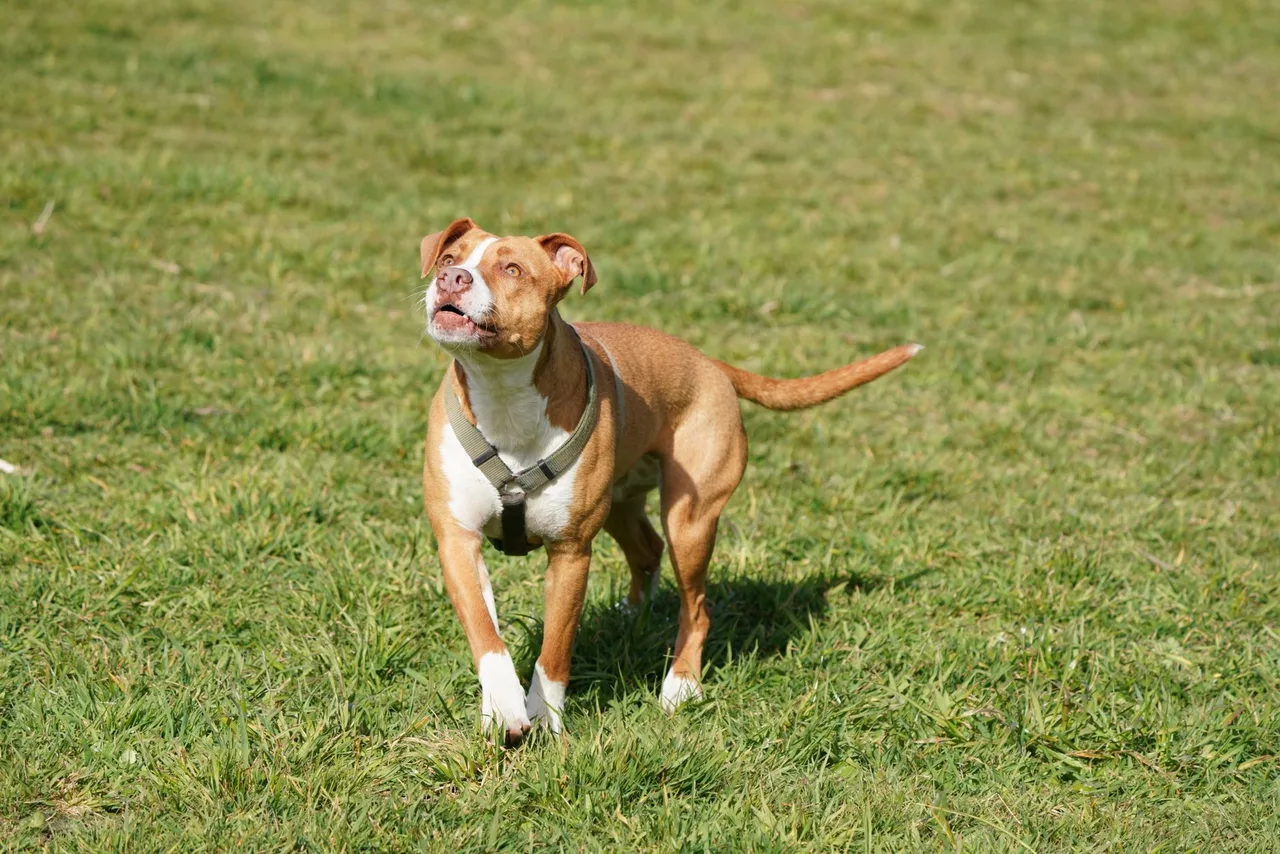
Personality
The UKC standard names strength, confidence and zest for life as the breed’s essential traits, and describes a dog that is eager to please and brimming with enthusiasm. APBTs make excellent family companions and have always been noted for their love of children, it says, and they are not the best choice as guard dogs because they are extremely friendly, even with strangers. The standard is plain that aggressive behavior toward humans is uncharacteristic of the breed and highly undesirable. It is just as plain that most APBTs show some level of aggression toward other dogs, which is why it asks for an owner who will carefully socialize and obedience-train the dog.
Exercise
The UKC describes a powerful, athletic dog whose intelligence and willingness to work make it a strong performer in obedience, rally, tracking, agility, lure coursing, dock jumping and weight pulling. Plan on daily exercise and training games. The standard also calls the breed one of the most capable canine climbers, so good fencing is a must.
Grooming
The UKC standard calls for a short coat that is glossy, smooth, close and moderately stiff to the touch, in any color or pattern except merle. A coat like this needs little more than regular brushing, plus the nail, ear and tooth care every dog needs.
Health: what to know
- Hearing, white coats and merle. The UKC standard disqualifies deafness in one or both ears, and merle coloring. OFA explains that inherited deafness in dogs is usually linked to coat pigment, especially white in the coat and the merle gene, and that a dog deaf in one ear can seem to hear normally; the BAER test is the only accepted way to diagnose it. Ask a breeder whether puppies were BAER-tested.
- A lean, athletic build. The UKC says balance matters more than size and treats a dog so massive that it compromises health, structure and movement as a very serious fault. OFA notes that the severity of hip dysplasia can be affected by caloric intake and exercise; keeping your dog lean helps, and a breeder can screen parents’ hips by X-ray through OFA.
Training
Socialize early and train with patience. The UKC standard asks for careful socialization and obedience training because of the breed’s strength and its tendency toward some dog aggression. The AVMA review notes that factors such as training method, sex and neutering status, and how and where a dog is kept, matter alongside breed. Slow, supervised introductions to other dogs are the safe default; the site’s guide to introducing a second dog walks through them.
Is this breed right for you?
- Active owners ready to socialize and train from day one
- Families who want an affectionate, people-loving dog and will supervise children and dogs together
- Homes with secure, climb-proof fencing
- Homes with other dogs, unless introductions are slow and supervised
- Owners who want a guard dog
- Rentals or towns with breed rules: check before you adopt