Can Dogs Eat Bell Peppers?
Crunchy and colorful, sweet bell peppers make a good vegetable treat for dogs. Their spicy relatives, and anything cooked with onion or garlic, are the ones to keep off the plate.
On this page
Yes, as long as it’s the sweet kind. The free Dog Toxic-Foods Checker lists bell peppers (sweet, plain) as Safe: “Sweet bell peppers aren’t toxic and make a healthy, crunchy snack; spicy peppers such as jalapeños or chili peppers are never okay.” Veterinarian Carly Fox, quoted by the AKC, puts it simply: “They’re not toxic, and they are a healthy alternative snack to share with your dog.”
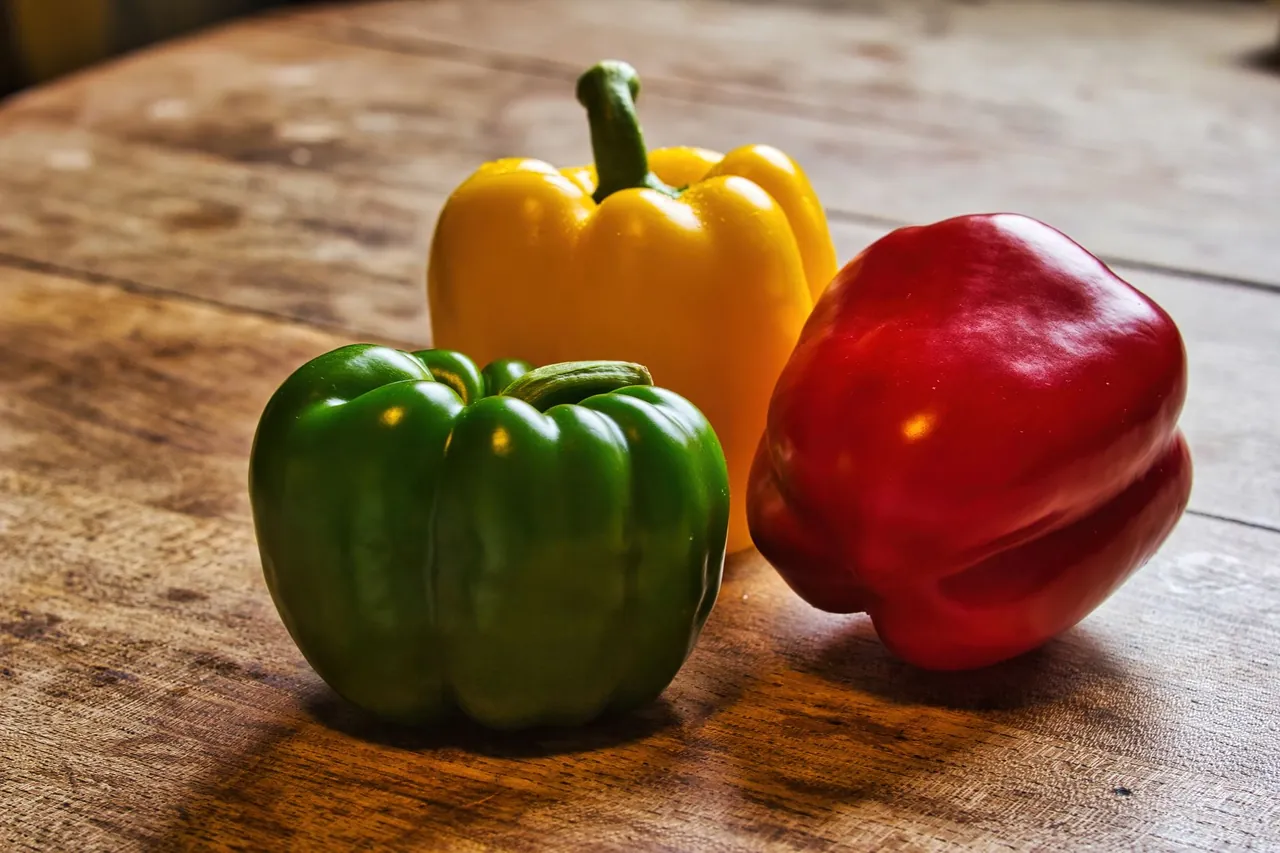
A vegetable treat the sources back
Tufts University’s clinical nutrition team lists “sweet red peppers” among raw-vegetable treats in its guide to treats that don’t unbalance a diet, and counts a third of a cup chopped (50 g) as 15 calories. That’s a lot of crunch for very few calories, which makes peppers easy to fit into the treat budget.
Red or green?
The AKC quotes a dog trainer, not a vet, on color: “Red bell peppers are the best to feed to your dog because they contain the highest amounts of vitamins and antioxidants.” Take that as the trainer’s view.
Green peppers have a use of their own. Tufts lists raw green pepper (1 cup of slices, 92 grams) among the lower-oxalate treats for dogs with calcium oxalate stones, the same dogs the spinach guide says should avoid high-oxalate greens.
Never the spicy kind
The AKC is firm: “you should never give your dog the spicy pepper varieties, such as jalapeños or chili peppers.” A sweet pepper and a hot one can sit side by side in the produce aisle, so double-check before you share.
The AKC also warns against peppers cooked with onion or garlic, since “those ingredients are toxic to dogs” (onions and garlic). Check stuffed peppers and stir-fries for both before anything goes in the bowl.
How to serve it and how much
- Remove the seeds and stem. The AKC says they may cause indigestion.
- Serve it plain. No seasoning or salt, per the AKC; VCA says vegetables “can be offered raw or cooked… without any seasoning, butter or oil.”
- Raw, steamed or pureed. The AKC notes that steaming or pureeing makes the tough skin easier to digest.
- Keep it small. The AKC article recommends that “large dogs eat less than one-half of a pepper and that small dogs eat less than one-quarter” of a pepper at a time.
Too much can cause an upset stomach, vomiting or diarrhea, the AKC says, and all treats together belong within about 10% of daily calories, the guideline VCA and Tufts use. The free Dog Feeding Calculator gives your dog’s number.
When to check with your vet
The AKC’s general advice is to consult your vet before adding anything new to your dog’s diet. If your dog ate a spicy pepper or a dish cooked with onion or garlic, look it up in the checker and call your vet. Other crunchy options with their own guides include carrots and cucumbers, and the free food safety chart puts the whole list on the fridge.
Frequently asked questions
- Which color bell pepper is best for dogs?
- The AKC quotes a dog trainer, not a vet, saying red bell peppers are best because they contain the highest amounts of vitamins and antioxidants. Tufts lists sweet red peppers as a raw-vegetable treat, and it lists raw green pepper among the lower-oxalate treats for dogs with calcium oxalate stones. Any sweet bell pepper, served plain, fits the Safe verdict.
- Can dogs eat raw bell peppers?
- Yes. VCA says vegetables can be offered raw or cooked, without any seasoning, butter or oil. The AKC adds that steaming or pureeing makes the tough skin easier to digest.
- How much bell pepper can my dog have?
- The AKC's guidance is less than one-half of a pepper for a large dog and less than one-quarter for a small dog, at a time. Tufts counts a third of a cup of chopped sweet red pepper (50 g) as 15 calories. Too much can cause an upset stomach, vomiting or diarrhea, the AKC says.
- Can dogs eat spicy peppers or jalapeños?
- No. The AKC says you should never give your dog the spicy pepper varieties, such as jalapeños or chili peppers. Check that a pepper is a sweet bell pepper before you share, and skip any dish where peppers were cooked with onion or garlic.
Educational content only — not veterinary or professional behavior advice. Consult your vet, or a certified trainer or behaviorist, for your pet. Read the full disclaimer →