Can Dogs Eat Rice?
Plain cooked rice is safe, gentle, and the classic base for a bland diet when a dog's stomach is off — here's how to use it well.
On this page
Yes — dogs can eat rice, and plain cooked rice is one of the more genuinely useful foods to keep in mind, because it’s the classic base of the bland diet vets suggest when a dog’s stomach is off. Our free Dog Toxic-Foods Checker lists plain cooked rice as Safe: “A gentle, easy-to-digest carbohydrate, often paired with plain chicken for an upset stomach,” with the reminder to “serve plain — no butter or salt.” That’s the whole idea: plain, soft, and gentle.
This one is less about treats and more about knowing what to do when your dog’s gut is unhappy — so below is how to use rice well, white versus brown, and the line where a home bland diet stops and a vet call starts.
Why rice is gentle on a dog’s stomach
Rice earns its reputation because it’s bland in the useful sense: low in fat and, in the case of white rice, low in fibre, so it’s easy for an irritated gut to handle. It provides simple carbohydrate energy without asking much of the digestive system, which is exactly what you want when a dog has had a mild bout of diarrhoea or a one-off dietary indiscretion. That’s why the standard home measure for a mildly upset stomach is plain white rice with a little plain boiled chicken.
Worth being clear, though: rice is not a nutritional requirement for dogs, and it isn’t a “health food” to add to a complete diet. Dogs get what they need from balanced dog food. Rice is a tool for specific moments, not a daily upgrade.
The bland diet: how to actually do it
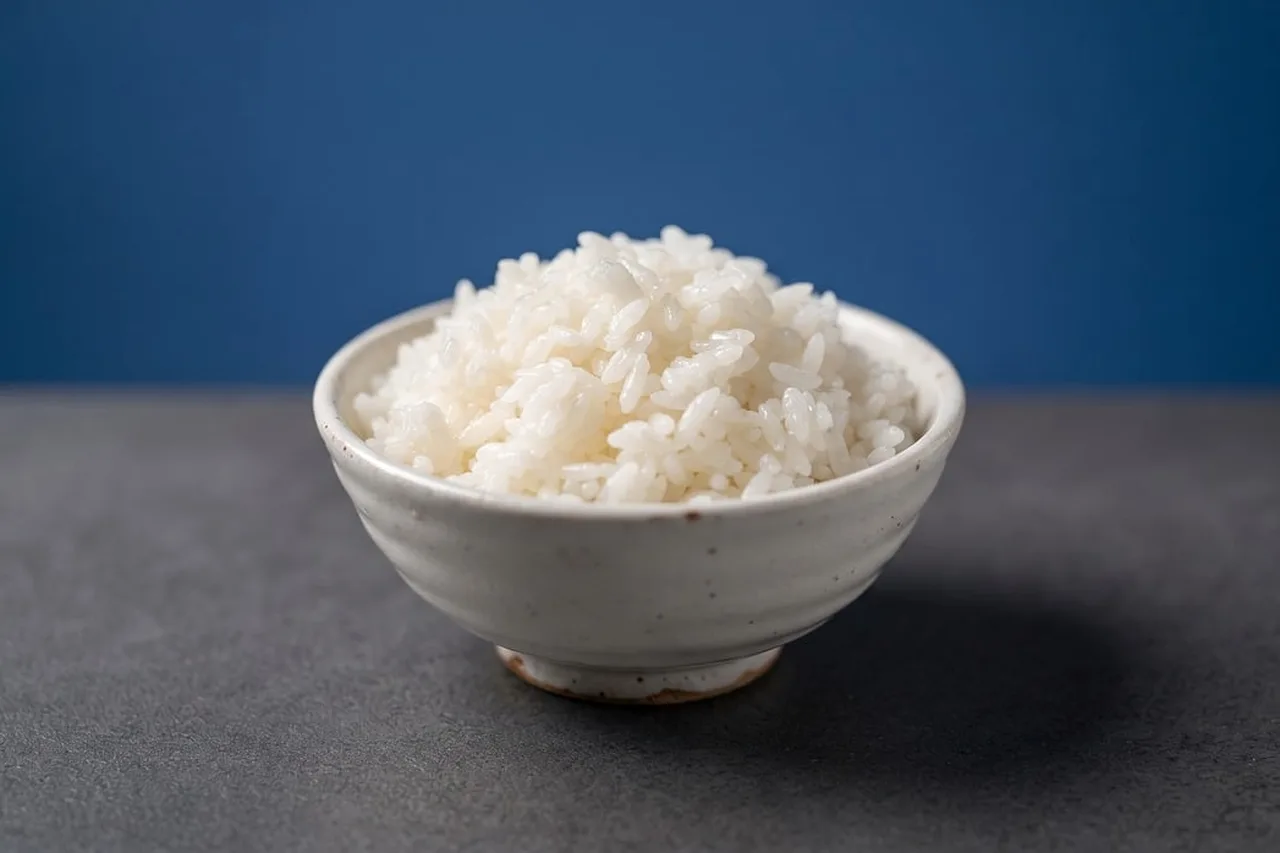
For mild upset, cook white rice plain in water until it’s soft, and shred some lean chicken with no skin, no bone, and no seasoning. A common ratio is about two parts rice to one part chicken, fed in small, frequent portions rather than one big bowl so the gut isn’t overwhelmed. Keep it up for a day or two while things settle, then transition back to your dog’s normal food gradually over a couple of days rather than switching straight back.
Add nothing to the rice. Butter, oil, salt, stock cubes, and seasoning all defeat the purpose, and anything cooked with onion or garlic is toxic. The bland diet works precisely because it’s boring.
White rice or brown rice?
For a dog with an upset stomach, white rice wins: it’s lower in fibre and easier to digest than brown, which keeps its fibrous bran and can be harder on a sensitive gut. For a healthy dog with a normal stomach, brown rice is a perfectly fine occasional carbohydrate if you prefer it. So the rule of thumb is white for recovery, either for a settled dog — always plain, always cooked soft, always a small part of the meal.
How much rice, and how often
As an everyday treat or food-topper, keep rice inside the 10% treat budget: it’s carbohydrate a dog doesn’t need, and it adds calories quietly. In a bland-diet situation the amounts are different and short-term, and your vet may fine-tune them for your dog’s size and condition. What rice should never become is a big daily scoop mixed into complete food to “stretch” the bowl — that dilutes the balanced nutrition the food is built to deliver. If you want your dog’s actual daily calorie number, our free Dog Feeding Calculator gives it to you from weight and activity.
When a bland diet isn’t enough — call the vet
This is the important part. A home bland diet is for mild, short-lived upset in an otherwise well dog. Call your vet instead if the diarrhoea or vomiting is severe, contains blood, or lasts more than about 24–48 hours; if your dog is lethargic, won’t drink, has a painful or bloated belly, or is a puppy, senior, or has a health condition; or if you suspect they ate something toxic. Dehydration is the real danger with ongoing losses, and it comes on faster than owners expect. Our Dog Toxic-Foods Checker lists the ASPCA Animal Poison Control and Pet Poison Helpline numbers alongside dozens of verified food verdicts if a swallowed food is what started this.
The plain little food worth knowing
Rice isn’t exciting, and that’s the point. Kept plain and used at the right moment, it’s a gentle, cheap way to give an upset gut a break — and knowing the exact recipe, and the line where you stop and call the vet, is more useful than any treat. For everyday feeding, lean on your dog’s complete food, keep extras inside the 10% the feeding calculator gives you, and check anything new against the checker.
Frequently asked questions
- Is rice good for a dog's upset stomach?
- Yes — plain white rice with a little plain boiled chicken is the classic bland diet vets suggest for mild stomach upset, because it's easy to digest and low in fat and fibre, which lets an irritated gut rest. Cook the rice plain in water, shred lean chicken with no skin, bone, or seasoning, and feed small, frequent portions. It's a short-term measure, not a cure: use it for a day or two while things settle, then transition back to normal food. If the upset is severe, bloody, or lasts beyond a couple of days — or your dog is flat, not drinking, or vomiting repeatedly — skip the home approach and call your vet.
- White rice or brown rice for dogs?
- For a settled, healthy dog either is fine in small amounts. For an upset stomach, white rice is the better choice: it's lower in fibre and easier to digest, which is exactly what you want when the gut is irritated — brown rice keeps its fibrous bran, which can be harder on a sensitive stomach. So white rice is the bland-diet default, and brown rice is a fine occasional carbohydrate for a healthy dog if you prefer it. Either way it's plain, cooked soft, and a small part of the bowl, not the whole meal.
- How much rice can a dog eat?
- As a treat or food-topper for a healthy dog, keep rice small — within the 10% treat budget — because it's carbohydrate a dog doesn't strictly need and calories add up quietly. In a bland-diet situation the proportion is different: a common approach is roughly two parts rice to one part lean protein, fed in small amounts across the day, but your vet may tailor that to your dog. What rice should not be is a large daily addition to a complete diet 'to bulk it out' — that dilutes the balanced nutrition your dog's food is designed to provide.
- Can dogs eat fried rice or rice with sauce?
- No — that's a different food. Fried rice, takeout rice, and rice cooked with sauces are loaded with oil, salt, and usually onion and garlic, all of which range from unhelpful to genuinely toxic for dogs (onion and garlic are toxic). The whole point of rice for a dog is that it's plain and gentle; add the things that make rice tasty to us and you undo that. Cook a small batch plain in water for your dog rather than sharing the seasoned version, and keep leftovers your dog might counter-surf out of reach.
Educational content only — not veterinary or professional behavior advice. Consult your vet, or a certified trainer or behaviorist, for your pet. Read the full disclaimer →