Can Dogs Eat Chicken?
Plain cooked chicken is a training-treat favorite and the classic bland-diet protein. The three things that turn it from good to risky, and how to serve it.
On this page
Yes, dogs can eat chicken, and plain cooked chicken is one of the most useful foods you can keep in the fridge. The free Dog Toxic-Foods Checker lists plain cooked chicken (boneless) as Safe: “Lean, dog-friendly protein — great for training or a bland diet.” The catch is in the words plain, cooked and boneless.
This page covers how much to give, chicken and rice for an upset stomach, and the three things that turn chicken from a great treat into a vet visit.
Why plain chicken works so well
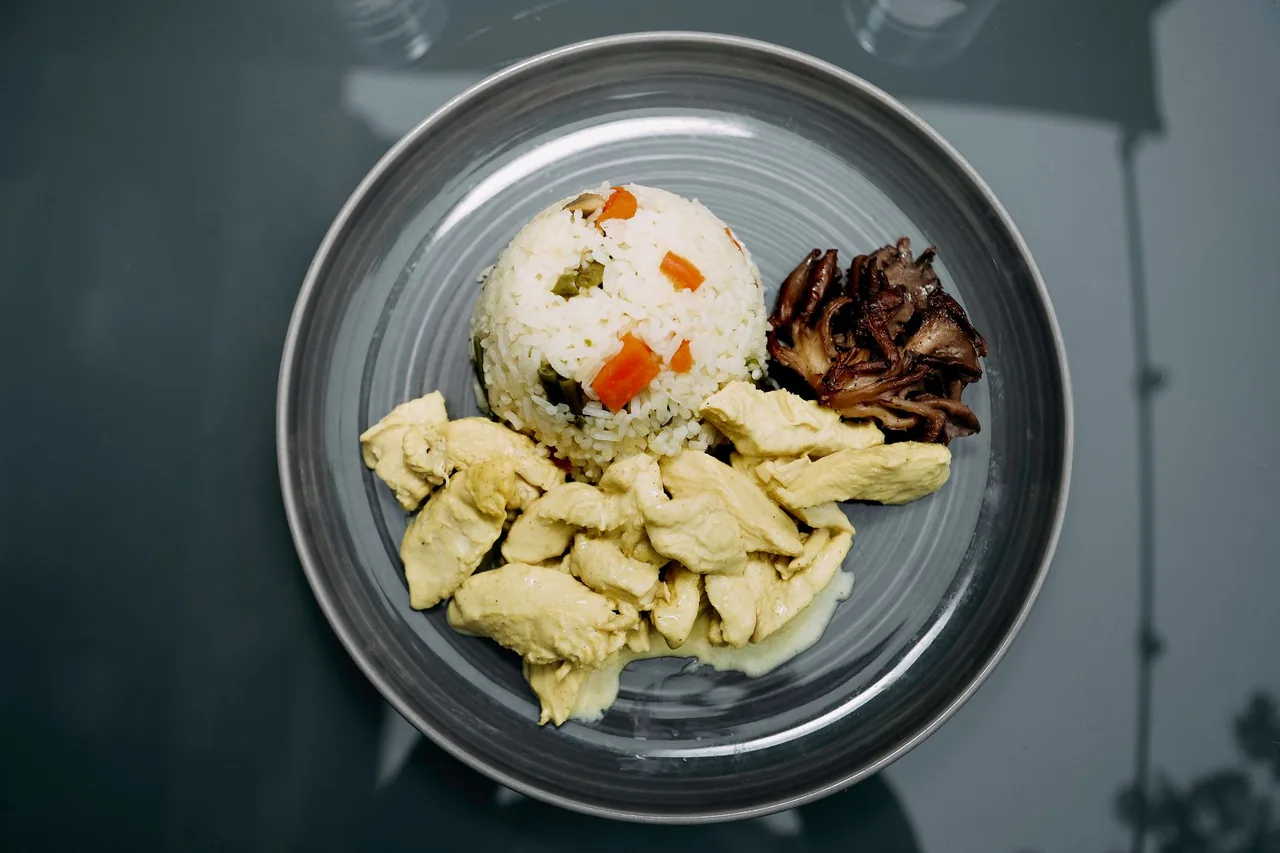
Chicken breast is lean, high in protein and easy to digest, and most dogs will work hard for it. That makes it a favorite for training: diced into pea-sized pieces, a single breast can carry a whole week of practice sessions. It’s also the protein most vets reach for in a bland diet, because it’s gentle and most dogs will eat it even when their appetite is off.
How much chicken to give
The Toxic-Foods Checker’s portion guide: a few pea-sized pieces as rewards — a little for a small dog, a small handful for a large one. “Plain: no skin, bones, or seasoning.”
- Count it as a treat. All treats together should stay within about 10% of daily calories, the guideline AAHA uses. The free Dog Feeding Calculator gives your dog’s daily calorie number.
- Cut it small for training. Tiny pieces let you reward many times without overfeeding.
- Add it slowly if your dog isn’t used to it, and watch the stool for a day or two.
Chicken and rice for an upset stomach
The AKC lists boiled, boneless, skinless chicken with plain white rice among the foods to feed a dog with a mild upset stomach. How to make it:
- Boil a boneless, skinless chicken breast in plain water until it’s cooked through, with no oil, butter, salt or seasoning.
- Shred it into small, easy pieces.
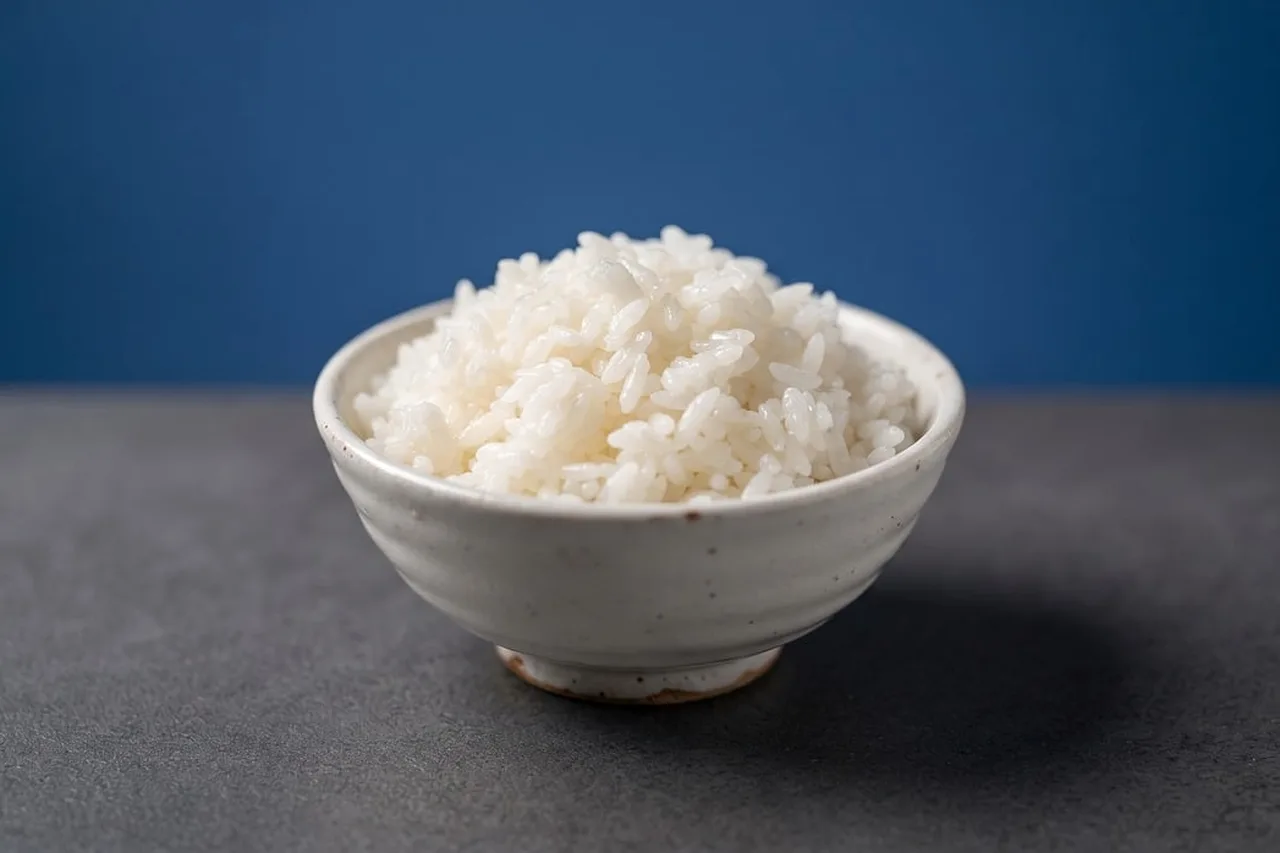
- Mix it with plain cooked white rice (rice for dogs).
- Feed small portions and go back to your dog’s normal food gradually over a few days.
It’s a short-term fix, not a long-term diet, because chicken and rice alone isn’t nutritionally complete. Call your vet if the upset lasts more than a day, keeps coming back, or comes with vomiting, blood, lethargy or a sore belly. A spoonful of plain pumpkin is another gentle add-in for mild loose stools.
The three things to avoid
1. Bones. Cooked chicken bones are hollow and splinter easily. They can choke a dog or cut and block the gut. Never give them, and keep the carcass and the trash out of reach (cooked bones).
2. Skin and fat. Chicken skin is mostly fat. Fatty food can cause stomach upset and, in some dogs, pancreatitis. Peel it off before sharing.
3. Seasoning. Many rubs, marinades, broths and gravies contain onion or garlic, which damage a dog’s red blood cells (onion and garlic). Salt, butter and oil don’t help either. Cook your dog’s portion plain, or set it aside before you season.
Raw chicken
The ASPCA warns that raw meat can carry Salmonella and E. coli. Those bacteria can make a dog sick, and dogs can shed them in saliva and stool, which matters in a home with children or anyone with a weak immune system. The Toxic-Foods Checker lists raw meat as Caution and suggests asking your vet before starting a raw diet. Cooking chicken all the way through removes the problem.
Chicken allergies
Chicken is one of the proteins most often reported in dogs with food allergies, alongside beef, dairy and wheat, according to a 2016 review in BMC Veterinary Research. Most dogs eat chicken without any trouble. But if your dog gets itchy skin, ear infections or ongoing stomach trouble, mention chicken (and any chicken-based treats) to your vet. Food allergies are diagnosed with a vet-supervised elimination diet, not by guessing.
Chicken products: what’s fine and what isn’t
- Plain boiled or baked breast: the gold standard.
- Plain cooked thigh meat, skin removed: fine, a bit fattier.
- Rotisserie chicken: often salted and seasoned with onion or garlic. Only plain inner meat, no skin or bones.
- Nuggets, fried or breaded chicken: too salty and greasy. Skip.
- Store-bought broth: often contains onion and garlic. Use a plain homemade broth, or a broth labeled for dogs.
Rotate plain chicken with other simple rewards like carrots, blueberries and plain turkey. The free food safety chart puts the whole Safe / Caution / Never list on the fridge.
Frequently asked questions
- How much chicken can I give my dog?
- As a treat, the site's Toxic-Foods Checker suggests a few pea-sized pieces: a little for a small dog, a small handful for a large one. Treats of every kind, chicken included, should stay within about 10% of your dog's daily calories, so on a heavy training day cut back on other treats or reduce the meal slightly. The free Dog Feeding Calculator gives your dog's daily calorie number.
- Is chicken and rice good for a dog with an upset stomach?
- It's the classic short-term bland diet. The AKC recommends boneless, skinless chicken breast, cooked thoroughly with no oil, butter or seasoning, shredded and served with plain white rice, which is gentle on the gut. It's meant for a day or two while the stomach settles, not as a long-term diet, because it isn't nutritionally complete. If vomiting or diarrhea lasts more than a day, comes back, or comes with blood, lethargy or a sore belly, call your vet.
- Can dogs eat raw chicken?
- It isn't recommended. The ASPCA warns that raw meat can carry Salmonella and E. coli, which can make dogs sick and can spread to the people in your home through their saliva and stool. The site's Toxic-Foods Checker lists raw meat as Caution and advises asking your vet before starting any raw diet. Cooking chicken all the way through removes that risk.
- Can dogs eat rotisserie chicken or chicken nuggets?
- Rotisserie chicken is usually salted and often rubbed with onion or garlic powder, and the skin is fatty, so a small piece of the plain inside breast meat, with no skin and no bones, is the most you'd want to share. Chicken nuggets and fried chicken are breaded, salty and greasy, and fatty food can trigger stomach upset or pancreatitis. Cooking a plain breast at home is the safer way to share.
Educational content only — not veterinary or professional behavior advice. Consult your vet, or a certified trainer or behaviorist, for your pet. Read the full disclaimer →