Can Dogs Eat Pasta?
Plain cooked pasta is harmless filler in small amounts — it's the sauce, not the noodle, that turns a shared bowl into a problem.
On this page
Mostly — a small amount of plain, fully cooked pasta won’t hurt most dogs. But pasta is a lot like bread: harmless in a tiny plain portion, empty of any real benefit, and genuinely risky the moment you add the things that make it taste good. The noodle isn’t the problem — the sauce is. That’s why pasta belongs in the caution column: safe plain, a bad idea sauced.
Below is why plain pasta is harmless-but-pointless, why the sauce is the real danger, and how to share a few noodles without a problem.
Plain cooked pasta: harmless, not helpful
Plain pasta, boiled soft with nothing on it, is just refined carbohydrate. A few noodles won’t do a healthy dog any harm, and some dogs like the soft texture. But like bread, it’s filler: it delivers calories and very little a dog actually needs, since their complete food already covers the real nutrition. So plain pasta is fine as a rare nibble and pointless as anything more — there’s no nutritional reason to add it to your dog’s bowl, and good reasons (calories, weight) not to make it a habit.
The real danger: the sauce
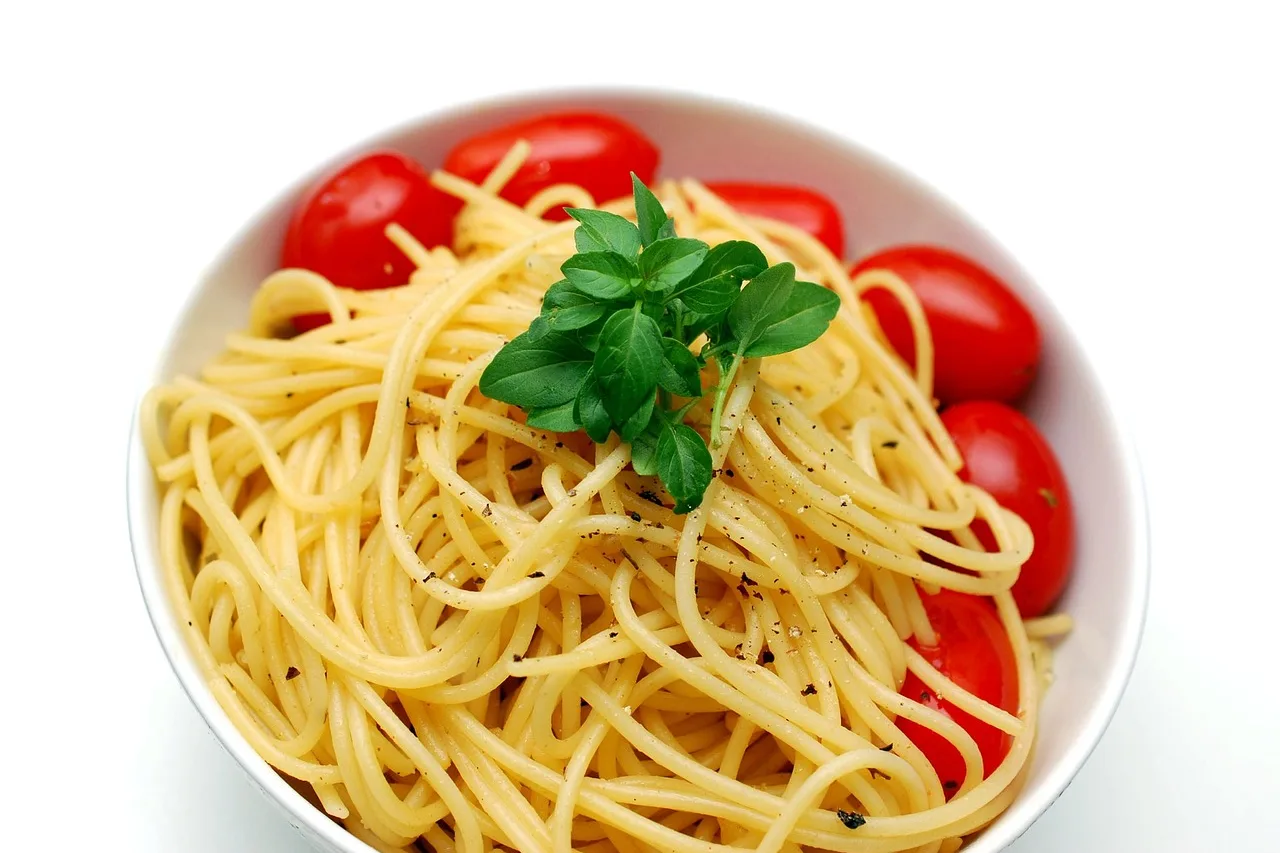
Here’s where a shared bowl of pasta goes wrong. Almost every pasta sauce is built on ingredients dogs shouldn’t have. Tomato sauces are made with onion and garlic — both toxic to dogs, even in the trace amounts in a jar — along with salt and often sugar. Cream and cheese sauces are loaded with fat that can upset a stomach or trigger pancreatitis in a susceptible dog. Pesto brings garlic and a flood of oil. Buttered noodles add fat and salt.
So the pasta itself is rarely the issue; it’s everything clinging to it. Our onions and garlic guide explains why even a garlicky sauce is a real concern rather than a trivial one. If you want to share, take out a few plain noodles before the sauce goes anywhere near your own bowl.
How much pasta, and how to serve it
If you’re sharing plain pasta, keep it small and occasional. It’s calorie-dense refined carbohydrate, so it sits inside the 10% treat budget but doesn’t deserve much of it — a couple of plain noodles now and then, cooked soft, with nothing on them. Skip raw pasta, which is hard, difficult to digest, and pointless. And resist the urge to scoop leftover pasta into the dog bowl regularly; those calories add up quietly. Our free Dog Feeding Calculator gives you the daily calorie number that keeps treats in check, and a few carrot pieces or blueberries are a better use of the same calories.
When to skip pasta or ask your vet
Dogs with a diagnosed wheat or grain allergy should avoid pasta entirely, and dogs on a weight-management plan are better off with a low-calorie treat. If you suspect a food allergy, work with your vet on a proper elimination diet rather than guessing at the dinner table. And if your dog got into a bowl of sauced pasta — especially anything with onion, garlic, or a lot of cheese and fat — that’s worth watching closely; our Dog Toxic-Foods Checker lists the relevant verdicts and the ASPCA Animal Poison Control and Pet Poison Helpline numbers, staffed around the clock. Run any new food through the checker before you share it.
The bottom line on pasta
Plain, cooked, and just a little: that’s harmless, occasional filler. Sauced, cheesy, or buttery: that’s the version to keep to yourself, because the onion and garlic in most sauces are genuinely toxic. Pasta isn’t a treat worth reaching for when better options cost the same calories — so keep it plain and rare, check anything new against the checker, and spend the 10% the feeding calculator gives you on something your dog actually gains from.
Frequently asked questions
- Why is pasta sauce so bad for dogs?
- Because of what's in almost every sauce. Tomato-based pasta sauces are typically built on onion and garlic — both toxic to dogs, even in the small amounts hiding in a jar — plus salt and often sugar. Cream and cheese sauces pile on fat that can trigger stomach upset or pancreatitis in a prone dog, and pesto adds garlic and a lot of oil. So the pasta itself is rarely the issue; it's the sauce clinging to it. If you want to share, set aside a few plain, unsauced noodles before you add anything to your own bowl.
- Can dogs eat spaghetti or macaroni?
- The shape doesn't matter — plain, fully cooked spaghetti, macaroni, penne, or any other pasta is equally harmless in small amounts, and equally pointless nutritionally. What matters is that it's plain and cooked soft. A couple of plain noodles as an occasional treat won't hurt most dogs. Macaroni cheese, spaghetti bolognese, and buttered noodles are a different story, thanks to the cheese, onion, garlic, and fat. Cook or set aside a little plain pasta for your dog rather than sharing the finished dish.
- How much pasta can a dog eat?
- Keep it tiny and occasional. Pasta is calorie-dense, refined carbohydrate that gives a dog energy but little else, so it fits inside the 10% treat rule (treats within about 10% of daily calories) but doesn't earn much of that budget. A few plain noodles now and then is fine for a healthy dog; a regular scoop of pasta mixed into meals just adds calories and can nudge a dog toward extra weight. If you want a treat that actually benefits your dog for the same calories, a few blueberries or carrot pieces are a better spend.
- Can dogs be allergic to pasta or wheat?
- Some can. Most pasta is made from wheat, and while food allergies in dogs are less common than the internet suggests — and are more often to proteins like beef or chicken than to grains — wheat sensitivity does exist. Signs of a food reaction include itchy skin, ear infections, and digestive upset. If your dog has a diagnosed wheat or grain allergy, skip pasta. If you suspect a food allergy, don't try to diagnose it with trial and error at the dinner table; your vet can guide a proper elimination diet. For a dog with no known issues, a little plain pasta is not a common trigger.
Educational content only — not veterinary or professional behavior advice. Consult your vet, or a certified trainer or behaviorist, for your pet. Read the full disclaimer →