Can Dogs Eat Tamarind?
Tamarind has caused kidney failure in dogs, likely for the same reason grapes do. Why vets treat it like raisins, where it hides, and what to do if your dog ate some.
On this page
No, dogs should never eat tamarind. The free Dog Toxic-Foods Checker lists tamarind as Toxic: “Tamarind has caused kidney failure in dogs. The Merck Veterinary Manual groups it with grapes and raisins, and tartaric acid is the suspected cause.” Its advice: “Call your vet or a poison line right away, even if your dog seems fine.” In the US, that’s ASPCA Animal Poison Control at (888) 426-4435 or the Pet Poison Helpline at (855) 764-7661.
Tamarind is a much newer entry on the toxic list than chocolate or grapes, so many owners haven’t heard about it. This page covers why it’s dangerous, where it hides, and what to do.
Why tamarind is treated like grapes
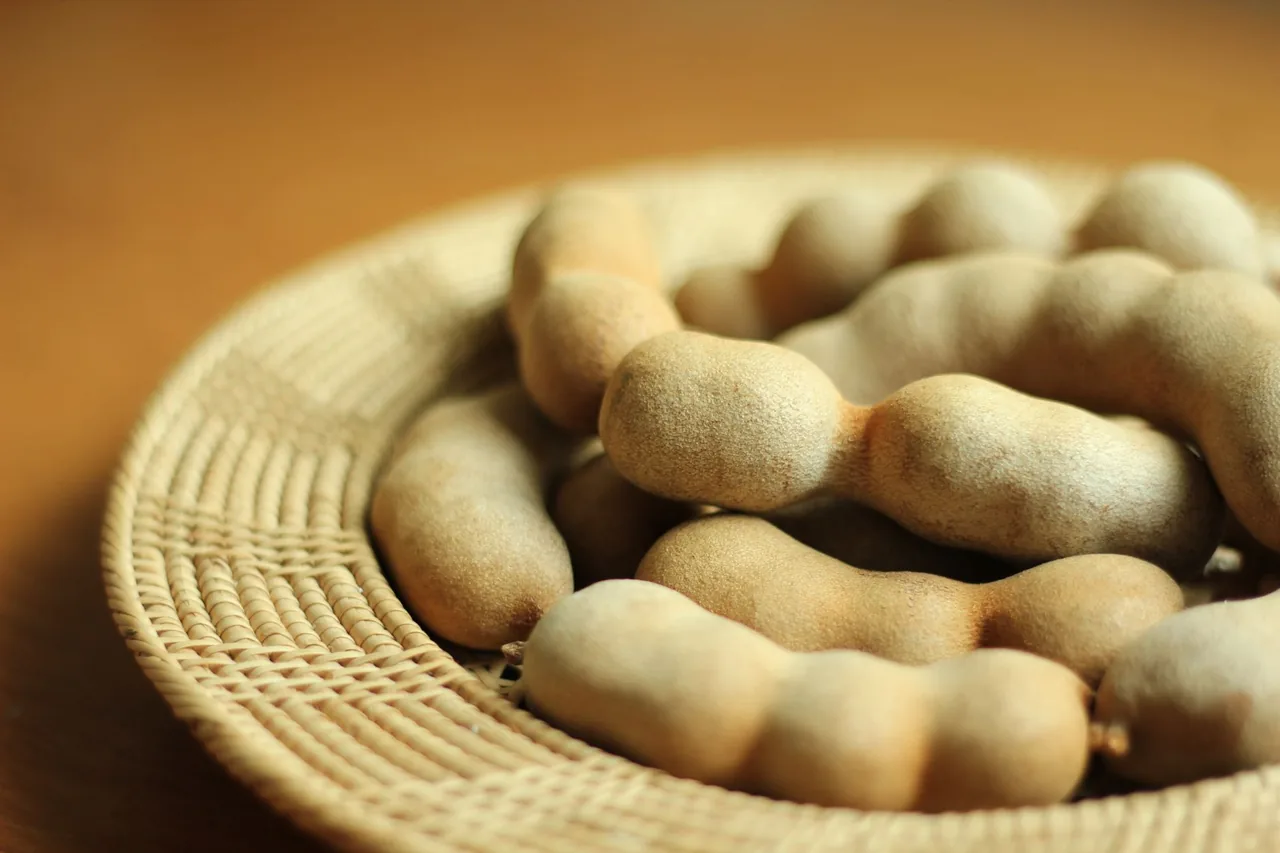
For years, veterinarians knew grapes and raisins could cause kidney failure in dogs without knowing why (grapes and raisins). The leading suspect today is tartaric acid, which grapes contain in high amounts. Tamarind is also very rich in tartaric acid, and so is cream of tartar.
A 2022 report in the Journal of Veterinary Emergency and Critical Care (Wegenast and colleagues) described six dogs that developed acute kidney injury after eating cream of tartar or tamarind. The Merck Veterinary Manual now covers grapes, raisins and tamarind together, and notes that dogs appear unusually sensitive to tartaric acid. The theory isn’t fully proven, but the cases are real, and the outcome is the one that matters: kidney failure.
How much is dangerous?
The honest answer is that nobody knows. The Merck Veterinary Manual notes that the evidence on how much tamarind causes toxicity is inconclusive, partly because the amount of tartaric acid varies from one tamarind to the next. With no known safe amount, the safe rule is the same as for grapes: any amount is worth a call.
Signs of tamarind poisoning
- Within about 6–12 hours: vomiting or diarrhea, often with lethargy, weakness or not eating.
- Over the next 24–72 hours: signs of kidney failure, such as weakness, dehydration, and peeing much less or not at all.
A dog that stops producing urine is in serious danger. Don’t wait for any of these signs before calling.
What to do if your dog ate tamarind
- Call your vet or a poison line right away, even if your dog seems fine. ASPCA (888) 426-4435 or Pet Poison Helpline (855) 764-7661. A fee may apply.
- Have the details ready: what it was (pods, paste, candy, drink), roughly how much, when, and your dog’s weight.
- Don’t make your dog vomit unless a vet tells you to.
- Expect your vet to act early. The Merck manual describes early decontamination and IV fluids, with kidney values monitored over the following days.
The free Pet Poison Emergency Card keeps both numbers and the questions they’ll ask on the fridge.
Where tamarind hides

- Tamarind candy, including chili-coated tamarind sweets and tamarind lollipops
- Tamarind pulp and paste in the kitchen, used in many Mexican, Caribbean, South Asian and Southeast Asian dishes
- Tamarind drinks such as agua de tamarindo and tamarind sodas
- Whole tamarind pods in a fruit bowl or market bag
- Cream of tartar, including homemade play dough made with it, which is also very salty
Store tamarind the way you’d store raisins: up high, in a closed cupboard, never in a bag on the floor or a purse your dog can open. The free food safety chart puts tamarind on the Never list with everything else.
Frequently asked questions
- How much tamarind is toxic to a dog?
- Nobody knows. The Merck Veterinary Manual notes the evidence on how much tamarind causes toxicity is inconclusive, partly because the amount of tartaric acid in tamarind varies. That's the same problem as grapes and raisins: with no known safe amount, vets treat any ingestion as a reason to call. Call your vet or a poison line with your dog's weight and your best estimate.
- Why is tamarind dangerous for dogs?
- The leading theory is tartaric acid. Tamarind is rich in it, and so are grapes and cream of tartar. A 2022 report in the Journal of Veterinary Emergency and Critical Care described dogs that developed acute kidney injury after eating cream of tartar or tamarind, which helped connect tartaric acid to grape and raisin poisoning. Dogs appear to handle tartaric acid poorly, which may be why it affects their kidneys.
- What are the signs of tamarind poisoning?
- Vomiting or diarrhea often appear within about 6 to 12 hours, along with lethargy, weakness or not eating. Kidney failure can follow over the next 24 to 72 hours, and a dog making little or no urine is a very serious sign. Don't wait for these signs: by the time the kidneys are affected, treatment is harder.
- Is tamarind candy dangerous for dogs?
- Yes. Tamarind candies, including the chili-coated kinds, are made from tamarind pulp, so they carry the same risk, plus sugar, salt and chili. Candy wrappers and bags are also easy for dogs to grab from a purse or a low table. If your dog ate tamarind candy, call your vet or a poison line right away.
Educational content only — not veterinary or professional behavior advice. Consult your vet, or a certified trainer or behaviorist, for your pet. Read the full disclaimer →