Can Dogs Drink Milk?
A lap of milk won't hurt most dogs, but plenty of dogs don't digest lactose well. How much is fine, the signs of intolerance, and the dairy that's easier on the stomach.
On this page
A small amount of milk is fine for most dogs, but it isn’t a great treat. The free Dog Toxic-Foods Checker lists milk, cheese and dairy as Caution: “Most adult dogs are lactose-intolerant (gas, loose stool), cheese is high in fat and salt, and ice cream adds sugar.” Its advice: “Small plain amounts are usually fine; skip it if it upsets their stomach.”
This page covers how much milk is reasonable, how to spot lactose intolerance, and the dairy that’s easier on a dog’s stomach.
Why milk upsets so many dogs
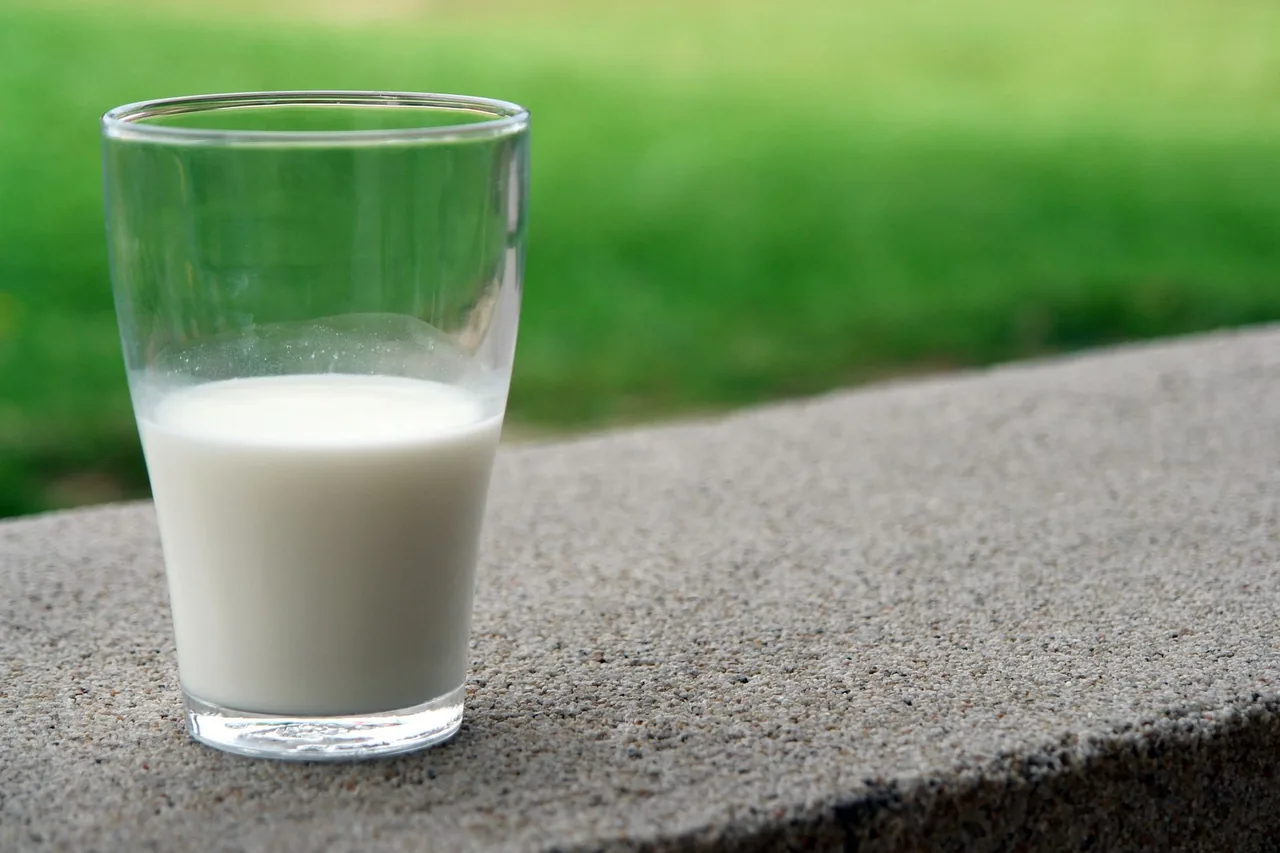
Milk contains lactose, a sugar that needs an enzyme called lactase to digest. The AKC notes that a lot of dogs are lactose intolerant, so milk can cause intestinal upset. The ASPCA puts it the same way: pets don’t have much lactase, so milk and dairy can cause diarrhea and other digestive upset.
Milk is also high in fat and natural sugars. The AKC warns that too much of these can lead to obesity and pancreatitis, which are serious conditions.
How much milk is okay?
The AKC’s guidance: a few tablespoons of cow’s or goat’s milk on an occasional basis can be a nice reward for a dog that tolerates it. Not a full bowl, which can bring on diarrhea, vomiting and loose stools even in dogs that aren’t lactose intolerant.
- Start with a tablespoon and watch your dog for a day.
- Keep it occasional, inside the roughly 10% of daily calories for treats, the guideline AAHA uses.
- Skip it for dogs with a history of pancreatitis, a sensitive stomach or a vet-prescribed diet.
Signs milk doesn’t agree with your dog
- Gas or a bloated belly
- Loose stools or diarrhea
- Vomiting
- Discomfort or restlessness after drinking
If you see these after a small amount, the AKC’s advice is simple: find a different treat.
Easier dairy options

The AKC notes that some lactose-intolerant dogs who can’t handle milk do fine with cheese and plain yogurt, which are typically easier to digest.
- Plain yogurt: a teaspoon to a tablespoon, unsweetened and xylitol-free (yogurt).
- Plain cheese: a single small cube of low-fat cheese as a high-value treat (cheese).
The milk drinks to skip
- Chocolate milk and mocha: theobromine and caffeine are toxic to dogs (chocolate, coffee).
- Ice cream and milkshakes: sugar and fat, and some flavors contain chocolate, raisins, macadamias or xylitol.
- Sweetened, condensed or flavored milks: a lot of sugar.
- Cow’s milk for puppies: not a substitute for their mother’s milk or puppy food. An orphaned puppy needs a commercial puppy milk replacer and a plan from your vet.
Water is the only drink your dog needs. The free food safety chart puts the whole Safe / Caution / Never list on the fridge.
Frequently asked questions
- How much milk can a dog drink?
- The AKC says a few tablespoons of cow's or goat's milk on an occasional basis can be a nice reward for a dog that tolerates it, but warns against giving a full bowl in one sitting, which can cause diarrhea, vomiting and loose stools. Keep it occasional and small, and inside the roughly 10% of daily calories that treats should stay under.
- How do I know if my dog is lactose intolerant?
- Watch what happens after a small amount: gas, bloating, loose stools or vomiting within a day suggest dairy doesn't agree with your dog. The AKC notes a lot of dogs are lactose intolerant, and that a large amount of milk can cause the same signs even in dogs that aren't, so start with just a tablespoon. If your dog reacts to a small amount, find a different treat.
- Can puppies drink cow's milk?
- Puppies get what they need from their mother's milk and then from a complete puppy food. Cow's milk isn't a substitute, and it can upset a young puppy's stomach. An orphaned or very young puppy needs a commercial puppy milk replacer and a feeding plan from your vet.
- Can dogs have ice cream or chocolate milk?
- No. Ice cream adds sugar and fat to the lactose, and some flavors contain chocolate, raisins, macadamia nuts or xylitol. Chocolate milk adds theobromine and caffeine, which are toxic to dogs. If your dog drank chocolate milk or ate chocolate ice cream, use the site's Chocolate Toxicity Calculator and call your vet.
Educational content only — not veterinary or professional behavior advice. Consult your vet, or a certified trainer or behaviorist, for your pet. Read the full disclaimer →