Can Dogs Drink Alcohol?
Beer, wine, liquor and even rising bread dough can poison a dog. Why a few laps matter, the signs to watch for, and what to do.
On this page
No, dogs should never drink alcohol: not beer, not wine, not liquor, not a sip of a cocktail. The free Dog Toxic-Foods Checker lists alcohol as Toxic: ethanol “is far more potent in dogs,” causing “vomiting, low body temperature, collapse.” If your dog just drank some, call your vet or a poison line now: the ASPCA Animal Poison Control Center at (888) 426-4435 or the Pet Poison Helpline at (855) 764-7661.
Most cases happen by accident: a glass left on a low table, a spilled drink at a party, a cooler on the patio. This page covers why alcohol hits dogs so hard, the signs, and the hidden sources owners don’t think of.
Why alcohol hits dogs harder than people
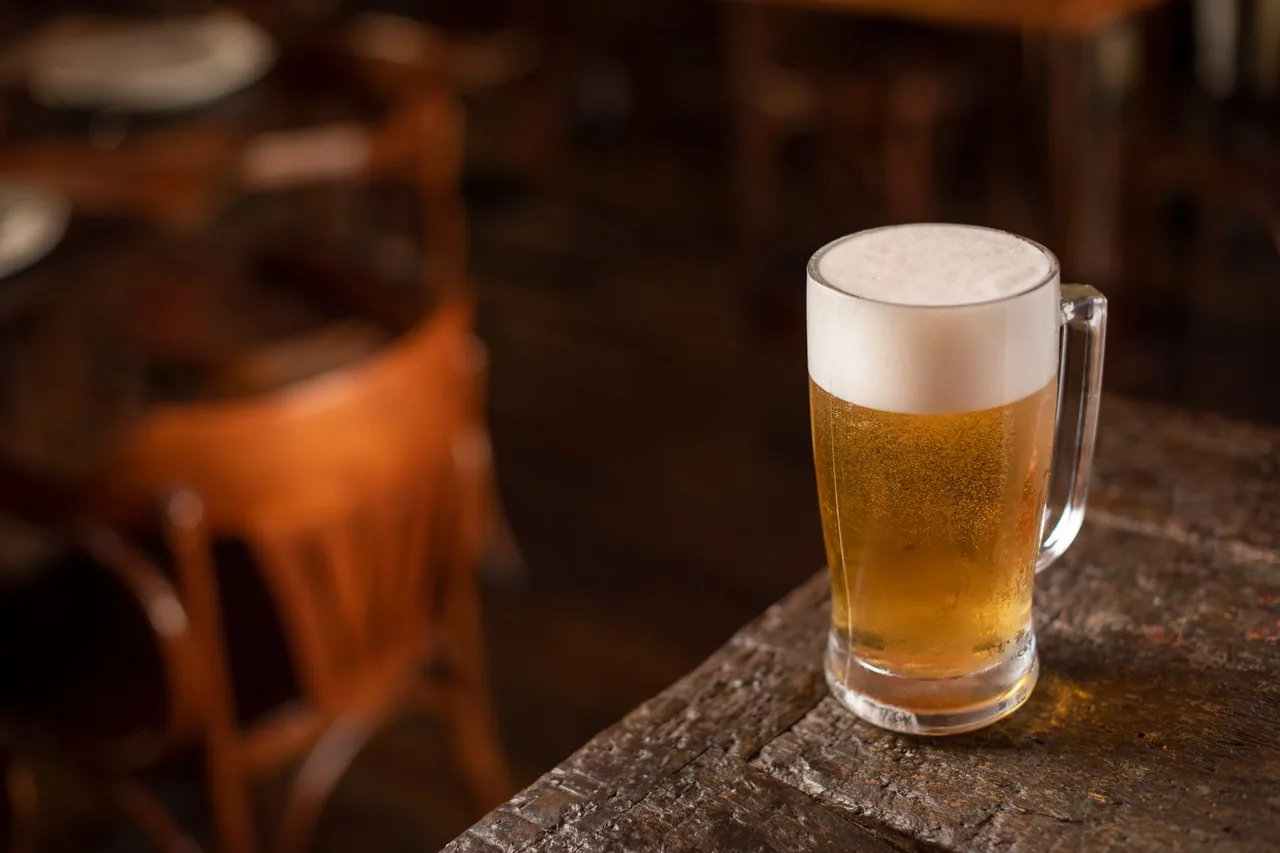
Size is most of it. A dog weighing a tenth of what you weigh gets roughly ten times the dose from the same sip, and dogs aren’t built to process alcohol the way people are. The ASPCA Animal Poison Control Center lists the effects of alcohol in pets as vomiting, diarrhea, decreased coordination, depression of the nervous system, difficulty breathing, tremors, abnormal blood acidity, coma and, in the worst cases, death.
Two of those deserve a plain-English note. Alcohol can drop a dog’s blood sugar and body temperature, which is why a drunk dog can look cold, weak and sleepy rather than lively. That is also why “letting them sleep it off” is a bad plan.
Signs of alcohol poisoning in dogs
Signs can start within about an hour and may get worse as the alcohol is absorbed:
- Vomiting or retching
- Wobbling, stumbling, poor coordination
- Unusual sleepiness, confusion or not responding normally
- Slow or difficult breathing
- Feeling cold, or shivering
- Tremors or, in severe cases, seizures
- Collapse
A very wobbly dog, a dog that can’t stand, or one that is cold or breathing slowly needs an emergency vet, not a wait-and-see night.
What to do if your dog drank alcohol
- Call your vet or a poison line with what was drunk, roughly how much, when, and your dog’s weight. A fee may apply.
- Keep your dog warm, quiet and supervised. Don’t let them wander near stairs or water.
- Don’t give coffee, food or anything else to “sober them up.” Caffeine is a poison of its own (coffee and caffeine).
- Don’t make your dog vomit unless a vet tells you to.
The free Pet Poison Emergency Card keeps both numbers and the questions they’ll ask on the fridge for exactly this kind of night.
Hidden sources of alcohol

Not every case involves a drink. Watch for:
- Raw yeast bread or pizza dough. It ferments in the stomach and makes alcohol while it swells (raw bread dough).
- Desserts made with liquor: rum cake, rum balls, boozy fruitcake and anything soaked in spirits.
- Spiked punch, eggnog and mulled wine at holiday parties, often in open bowls at table height.
- Drinks left on low tables, patios, beach blankets and in open coolers.
- Empty cans and bottles in a recycling bin a dog can tip over.
Parties are the highest-risk time: lots of glasses, distracted people, guests who think a sip is funny. Put drinks up high, and ask guests not to share.
Home brewing: hops are a second danger
If anyone in your home brews beer, keep the hops locked away. The ASPCA lists hops as toxic to dogs, separate from the alcohol: fresh, pellet and spent hops can all trigger a dangerous, runaway rise in body temperature (malignant hyperthermia). The ASPCA lists panting, restlessness, vomiting, a racing heart, tremors and seizures among the signs, which often start within 30 to 60 minutes but can take up to 12 hours. Spent hops left in a bin or compost after a brew day are the usual way dogs get to them. Treat any hops ingestion as an emergency: call right away, even if your dog seems fine.
What to give your dog instead
Fresh water is the only drink your dog needs. If you want your dog included at a party, a few pieces of a safe treat like carrots or blueberries does it, and a stuffed chew toy in a quiet room keeps them away from the glasses. The free food safety chart puts the whole Safe / Caution / Never list on the fridge where every guest can see it.
Frequently asked questions
- Is a little beer okay for dogs?
- No. There is no amount of alcohol that is recommended for dogs, and the ASPCA Animal Poison Control Center lists alcoholic drinks among the foods never to give pets. Dogs are much smaller than us and process alcohol poorly, so a few laps that would mean nothing to a person can make a small dog sick. Beer is also brewed with hops, which are toxic to dogs on their own. Keep every glass, can and bottle, including the dregs, out of reach.
- My dog licked some wine. What should I do?
- Call your vet or a poison line, even if it seems like a tiny amount: ASPCA Animal Poison Control (888) 426-4435 or Pet Poison Helpline (855) 764-7661. Tell them your dog's weight, what was drunk and roughly how much. They will tell you whether watching at home is enough or whether your dog needs to be seen. For a large dog and a single lick, the answer may well be 'watch'; for a small dog that emptied a glass, it may be 'come in now'. That decision belongs to the professional on the line.
- How long does alcohol poisoning last in a dog?
- Signs can start within an hour or so of drinking and may get worse before they get better as the alcohol is absorbed. With prompt care, many dogs recover, but severe cases involve dangerously low blood sugar, low body temperature and slowed breathing, which need hospital treatment. Don't try to wait it out at home. A dog that is very wobbly, can't stand, is cold to the touch or is breathing slowly needs an emergency vet.
- Why is raw bread dough an alcohol problem?
- Yeast in raw dough keeps fermenting in the warm stomach and produces alcohol, which is absorbed into the bloodstream. The Merck Veterinary Manual describes dogs that ate raw dough becoming wobbly and disoriented as the alcohol builds, while the swelling dough stretches the stomach at the same time. That double hazard is why the site's Toxic-Foods Checker lists raw yeast dough as Toxic.
Educational content only — not veterinary or professional behavior advice. Consult your vet, or a certified trainer or behaviorist, for your pet. Read the full disclaimer →