Can Dogs Drink Coffee?
A lap of your latte is rarely a crisis. A spilled bag of grounds or a bottle of caffeine pills is. Here is how to tell the difference, and what to do.
On this page
No, dogs shouldn’t drink coffee or eat anything with caffeine in it. The free Dog Toxic-Foods Checker lists caffeine as Toxic: “a stimulant dogs are very sensitive to; causes a racing heart, restlessness, tremors and seizures. Grounds, beans and pills are the most concentrated.” If your dog got into grounds, beans, tea bags, an energy drink or caffeine pills, call your vet or a poison line now: ASPCA Animal Poison Control at (888) 426-4435 or the Pet Poison Helpline at (855) 764-7661.
The useful thing to know is that dose matters a lot with caffeine. A lap of your morning coffee and a torn bag of grounds are very different situations, and this page explains how to tell them apart.
Why caffeine is dangerous for dogs
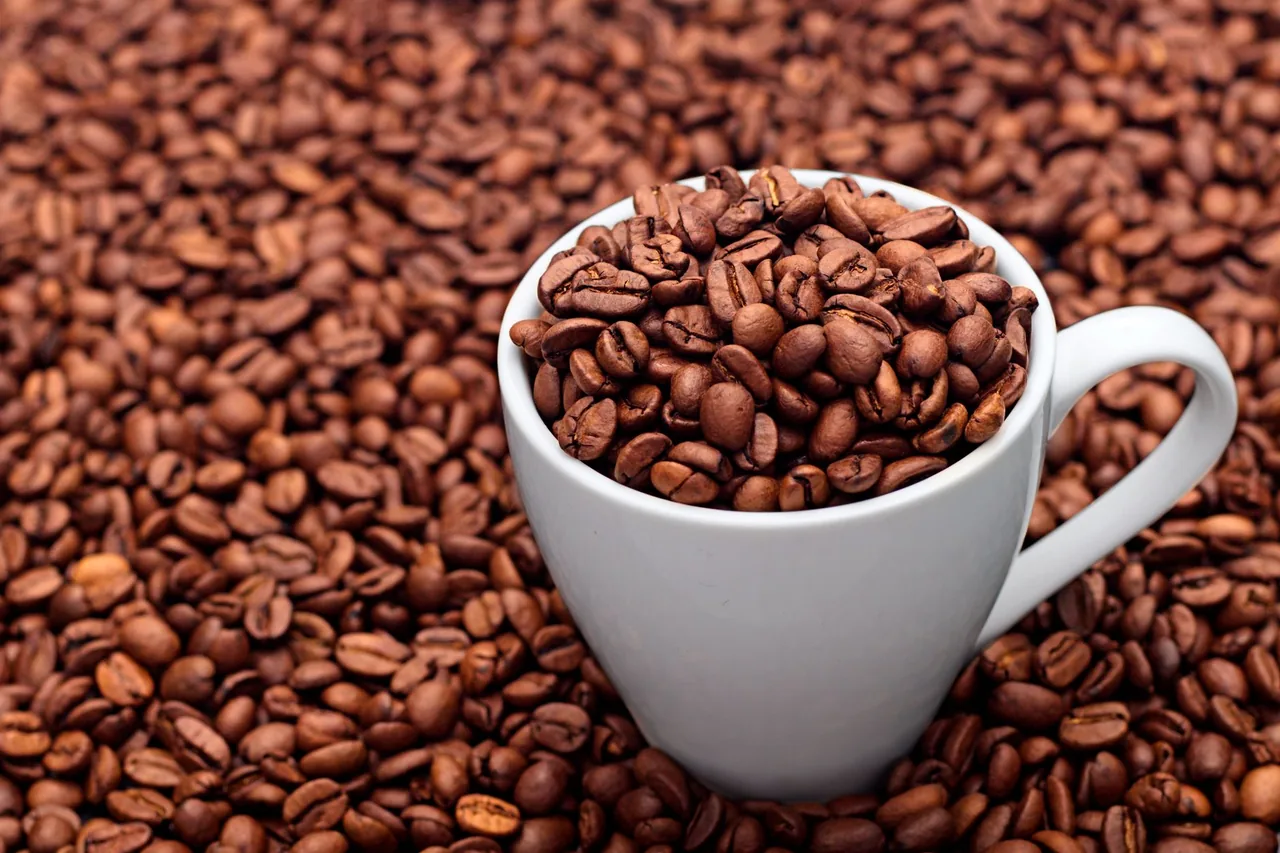
Caffeine belongs to the same family of stimulants as theobromine, the toxin in chocolate. The ASPCA Animal Poison Control Center groups them together: in pets, these compounds can cause vomiting, diarrhea, panting, excessive thirst and urination, hyperactivity, an abnormal heart rhythm, tremors, seizures and, in severe cases, death. Dogs are more sensitive to caffeine than people are, and a small dog needs only a small amount.
Lap of coffee vs. a bag of grounds
Pet Poison Helpline puts it plainly: one or two laps of coffee, tea or soda won’t contain enough caffeine to poison most pets. The danger is concentrated caffeine:
- Coffee grounds, fresh or used, from the bin or a spilled bag
- Whole coffee beans, and especially chocolate-covered espresso beans, which add chocolate’s theobromine
- Coffee pods and instant coffee
- Tea bags and loose tea
- Energy drinks, energy gels and pre-workout powders
- Caffeine pills and diet pills, which Pet Poison Helpline warns can kill a small dog at just one or two pills
For a sense of scale, Pet Poison Helpline says about three teaspoons of instant coffee grounds could cause moderate signs in a medium-sized dog, and ten teaspoons could cause severe signs. Small dogs reach those levels with much less.
Signs of caffeine poisoning
Signs usually start within 1–2 hours. Watch for:
- Restlessness, pacing, hyperactivity or agitation
- Panting, excessive thirst and peeing more than usual
- Vomiting or diarrhea
- A racing or irregular heartbeat
- Tremors or twitching
- Seizures or collapse in severe cases
VCA Animal Hospitals notes the effects can last anywhere from about 12 hours to several days, because dogs clear caffeine slowly. A dog with tremors, seizures or collapse needs an emergency vet right away.
What to do if your dog had caffeine
- Call your vet or a poison line with your dog’s weight, the product (bring the bag, pod box, can or pill bottle), roughly how much, and when.
- Don’t wait for symptoms if it was grounds, beans, tea bags, an energy drink or pills. Your vet has more options early, such as making your dog vomit safely or giving activated charcoal.
- Keep your dog calm in a quiet room while you get advice.
- Don’t make your dog vomit at home unless a vet tells you to.
Treatment, when it’s needed, usually means limiting absorption, then IV fluids and medication to control the heart rate, tremors or seizures. Mild cases may need only a day in hospital; severe ones can take several days. Dogs that reach a vet in time generally have a good chance of recovering.
The free Pet Poison Emergency Card keeps both numbers and the questions they’ll ask on one page.
Coffee-flavored foods and the double hazards
Coffee rarely travels alone. Mocha drinks and coffee desserts often contain chocolate (why chocolate is toxic), and some sugar-free syrups, creamers and baked goods contain xylitol, which can crash a dog’s blood sugar (xylitol). Tiramisu adds liquor (alcohol). When you call, list every ingredient you can find on the label.
Coffee-proofing your home
- Empty used grounds and pods into a lidded bin, not an open kitchen trash can or the compost.
- Keep beans, instant coffee, tea and energy drinks in a closed cupboard.
- Store caffeine and diet pills in a drawer, never in a handbag on the floor.
- Pick up mugs and cans from low tables, especially with a small dog around.
For your dog, water is the drink. If you want them in on your morning ritual, a frozen blueberry or a carrot coin is a safe stand-in. The free food safety chart puts the whole Safe / Caution / Never list on the fridge.
Frequently asked questions
- My dog licked my coffee. Is that an emergency?
- Usually not. Pet Poison Helpline's guidance is that one or two laps of coffee, tea or soda won't contain enough caffeine to poison most pets. Watch your dog for the next couple of hours for restlessness, panting or vomiting, and call your vet if anything seems off. The picture changes if it was a big mug and a small dog, an espresso, or anything with chocolate or sugar-free syrup in it: then call your vet or a poison line with the details.
- How much coffee is toxic to a dog?
- It depends on the source and the dog's size. Pet Poison Helpline gives a sense of scale: about three teaspoons of instant coffee grounds could cause moderate signs in a medium-sized dog, and ten teaspoons could cause severe signs. It also warns that moderate amounts of coffee grounds or tea bags, or one or two diet pills, can kill a small dog. Rather than doing the math at home, call your vet or a poison line with your dog's weight and the product.
- My dog ate coffee beans. What should I do?
- Call your vet or a poison line now. Whole beans and grounds are far more concentrated than brewed coffee, and chocolate-covered espresso beans add theobromine from the chocolate on top of the caffeine. Signs usually start within 1–2 hours, so calling before they appear gives your vet the most options, including making your dog vomit safely or giving activated charcoal to limit absorption.
- Is decaf coffee safe for dogs?
- Decaf has much less caffeine, so a lap is even less of a concern, but it isn't caffeine-free and it offers your dog nothing. Used decaf grounds still carry some caffeine. Keep all coffee, decaf included, away from your dog, and stick to water.
Educational content only — not veterinary or professional behavior advice. Consult your vet, or a certified trainer or behaviorist, for your pet. Read the full disclaimer →