Dog Car Anxiety: Why It Happens and How to Help
A dog who shakes, drools or won’t get in the car may be scared, carsick, or both. How to tell the difference, the step-by-step plan that fixes fear, and when to ask your vet for help.
On this page
Dog car anxiety is usually fear, motion sickness or both, and the fix is different for each. Fear improves with gentle step-by-step practice, from sitting near the parked car to short drives, with each step paired with something your dog loves, which VCA Animal Hospitals describes as desensitization and counterconditioning. Nausea is a medical problem your vet can treat. Many dogs need help with both.
The good news: with patience, most car-fearful dogs can learn to ride calmly. The key is never asking for more than your dog can handle in one session.
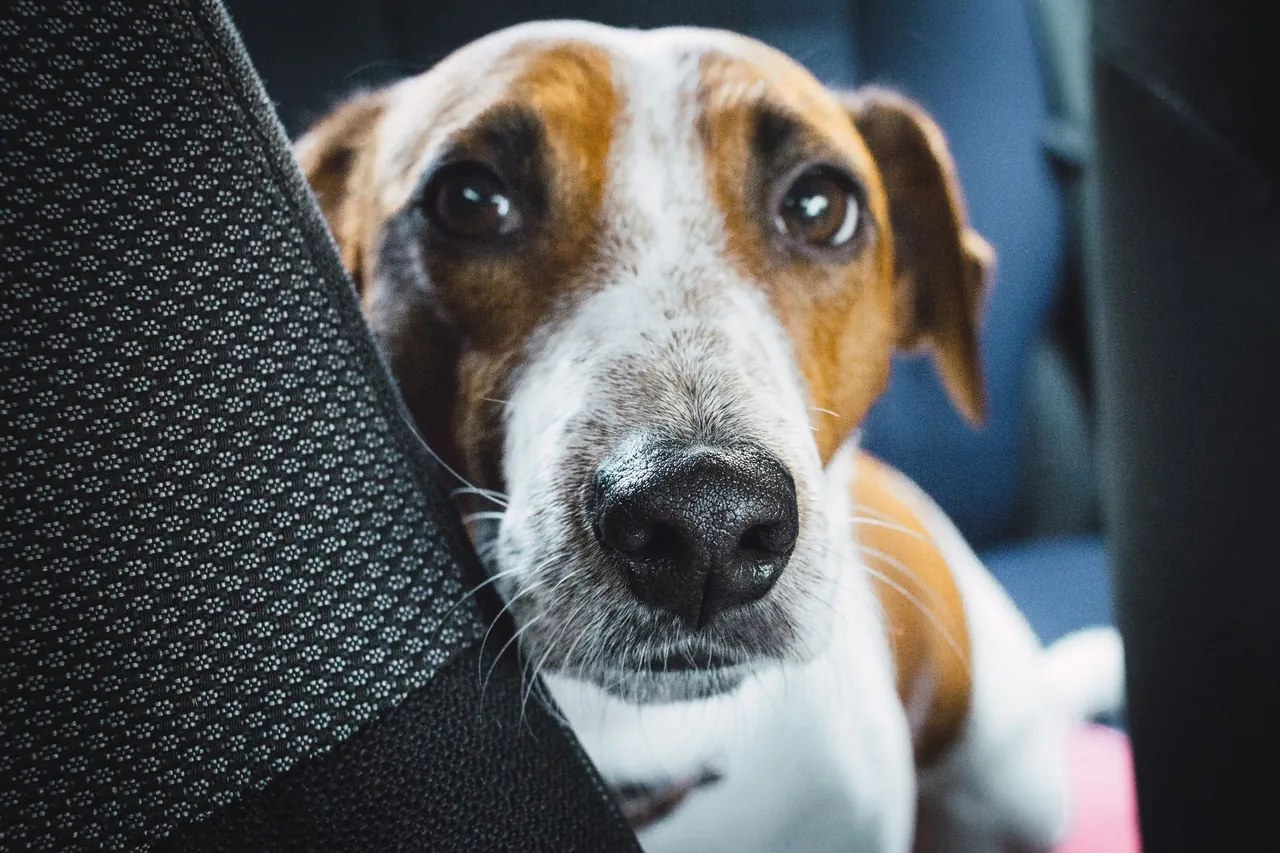
Fear, car sickness, or both?
Start by watching closely, because the treatment depends on the answer.
Nausea signs. VCA lists whining, pacing, heavy drooling, lip licking, low energy, vomiting and even passing stool. The Merck Veterinary Manual adds restlessness such as panting, circling or digging, and notes that motion-sickness signs usually stop when the car stops.
Stress and fear signs. VCA’s stress signs include intense yawns, lip licking, drooling, panting without exercise, a “whale eye” where the whites show, pinned-back ears, a tucked tail and shaking.
The clue that usually separates them: Merck notes that some dogs show signs in a parked car. A dog that trembles before the engine starts is afraid of the car itself, and fear may need behavior work or medication. A dog that’s fine until the car moves, then drools and vomits, is more likely carsick.
Why dogs come to fear the car
VCA points out that dogs who ride only once or twice a year are especially prone to car problems, and that one bad ride can stick. Think about where many dogs’ only car trips go: the vet, the groomer, the kennel. Add a queasy stomach on the way, and the car itself starts to predict something unpleasant.
That’s also why the fix works: if the car starts predicting treats, games and nice places, the feeling changes.
The step-by-step plan
VCA describes a gradual approach that builds from a parked car to real drives. Here it is as a ladder. Each step is a few minutes, ends while your dog is still relaxed, and repeats until it’s boring:
- Beside the parked car. Treats, a favorite toy or a meal next to the car, doors closed.
- Doors open. Let your dog hop in and out for treats, no pressure.
- Engine on. Sit inside together with the engine running for a minute, then get out.
- Back out and return. Reverse down the driveway and pull straight back in.
- Around the block. A very short drive, ending somewhere your dog enjoys.
- Build toward 20–30 minutes, a few minutes at a time.
Two rules from VCA make the difference. Stop the session if your dog becomes anxious, and go back a step next time. And don’t scold whining: punishment adds stress, which is exactly what you’re trying to remove.
Use your dog’s best treats only in the car, keep it cool and quiet, and bring a worn T-shirt with your scent and a toy that lives only in the car, all of which VCA suggests. The free car-ride practice log gives you a place to track the step, the minutes and a calm score each day.
What about medication?
For nausea: the Merck Veterinary Manual describes maropitant as an FDA-approved, preferred treatment for motion sickness in dogs, given about two hours before travel; VCA notes one dose lasts 24 hours. Your vet will decide whether it suits your dog and the right dose.
For anxiety: anti-nausea drugs don’t treat fear. VCA says anxiety medicines are vet-prescribed, and some need to start days to weeks before a trip. If your dog is very afraid, ask about this early rather than the night before a long drive.
Feeding before travel: sources differ. VCA suggests withholding food for a period before travel, and the ASPCA suggests a light meal a few hours ahead. Ask your vet.
VCA also notes that ear infections and vestibular disease can cause nausea, so a dog who suddenly becomes carsick deserves a check-up.
Puppies and car sickness
VCA says many puppies outgrow car sickness by about a year old. Even so, early trips shape how a puppy feels about the car for years, so make them short, easy and to good places, not only to the vet.
Safety while you practise
Even a calm dog should ride safely. The ASPCA recommends a secured, well-ventilated crate big enough for your dog to stand, sit, lie down and turn around, or the back seat with a harness attached to a seatbelt, and no head out of the window. Planning a longer trip? The free road-trip packing checklist covers what to bring.
When to call your vet
Call if your dog vomits on most trips, if car sickness starts suddenly in an adult dog, or if fear is so strong that your dog panics, drools heavily or tries to escape even in a parked car. Fear that intense usually needs both a behavior plan and medical help, and your vet can refer you to a behavior professional.
Frequently asked questions
- Is my dog scared of the car or carsick?
- It can be either, or both, and the signs overlap. VCA lists heavy drooling, whining, low energy and vomiting among nausea signs, and intense yawning, panting without exercise, pinned ears and a tucked tail among stress signs. The Merck Veterinary Manual notes motion-sickness signs usually stop when the car stops; a dog who shows signs in a parked car is more likely afraid.
- How long does it take to help a dog who hates the car?
- VCA says to expect days to weeks of short sessions. Staying below your dog’s fear point every session is what makes progress fast; pushing past it slows everything down.
- Will anti-nausea medicine fix my dog’s car anxiety?
- No. VCA notes that anti-nausea medicine treats motion sickness, not anxiety. If your dog is both nauseous and anxious, your vet can prescribe for each, and the practice steps still matter.
- Should I feed my dog before a car ride?
- Advice varies. VCA suggests withholding food for a period before travel, while the ASPCA suggests a light meal a few hours ahead. Ask your vet what suits your dog, especially if it gets carsick.
Educational content only — not veterinary or professional behavior advice. Consult your vet, or a certified trainer or behaviorist, for your pet. Read the full disclaimer →