Is Pothos Toxic to Dogs and Cats?
Pothos, also known as devil's ivy, is toxic to dogs and cats. The good news is that the trouble usually stays in the mouth, and the ASPCA rates the severity as low.
On this page
Yes, pothos is toxic to dogs and cats. The ASPCA lists it as “Toxic to Dogs, Toxic to Cats, Toxic to Horses,” and the cause is crystals that hurt the mouth on contact. The good news: the ASPCA rates the severity as low and says long-term effects are not expected.
What happens if a dog chews pothos
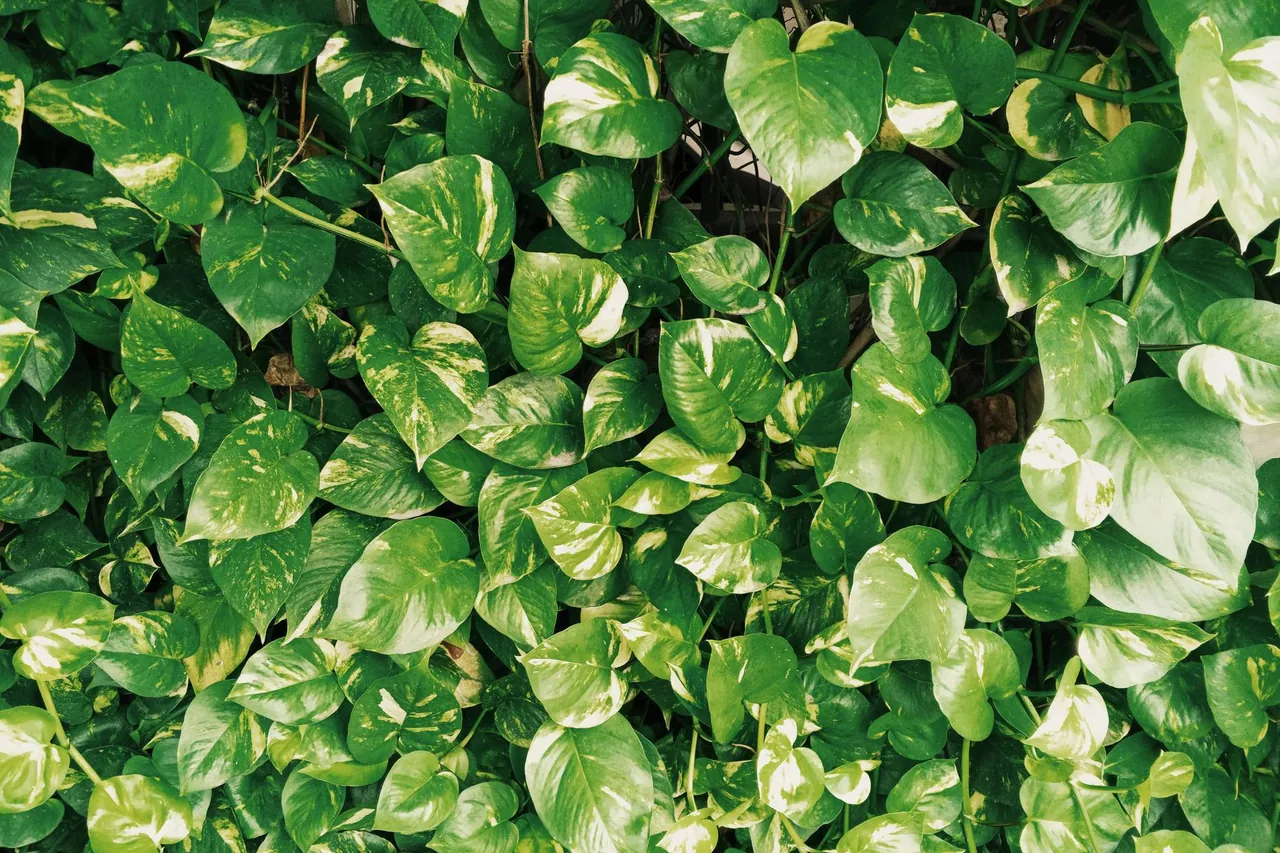
Pothos (Epipremnum aureum, family Araceae, also called devil’s ivy) carries “Insoluble calcium oxalates” as its Toxic Principles on the ASPCA entry. The ASPCA explains that “the leaves, stems and stalks of the plant contain very small, needle-like crystals called raphides.” Merck notes the plant “causes immediate intense pain (oral cavity) on chewing any portion of plant.” The ASPCA files it under the name Devil’s Ivy, so the scientific name, Epipremnum aureum, is the surest way to check a label.
The ASPCA’s Clinical Signs read: “Oral irritation, pain and swelling of mouth, tongue and lips, excessive drooling, vomiting (not horses), difficulty swallowing.” According to the ASPCA, “many exposures can be managed at home, and long-term effects are not expected.”
What happens if a cat chews pothos
The same entry lists cats as affected, with the same signs. What it doesn’t do is threaten the kidneys. Merck says “unlike plants containing soluble oxalates, insoluble oxalates do not pose a concern for renal injury.” That separates pothos from the true lilies and daylilies that can cause kidney failure in cats (lilies and cats).
The rare serious case is the same for both species. The ASPCA notes that “rarely, with large exposures there can be significant stomach pain or swelling in the back of the throat, leading to breathing difficulty.” Short of that, call back if the drooling or vomiting doesn’t ease.
Signs to watch for
- Excessive drooling
- Pain, irritation or swelling of the mouth, tongue and lips
- Vomiting
- Difficulty swallowing
- Any trouble breathing, which is the sign that changes the plan
What to do
- Remove the plant and note roughly how much was chewed.
- Call first: your vet, ASPCA Animal Poison Control (888) 426-4435 or Pet Poison Helpline (855) 764-7661 (a fee may apply).
- Ask about the dairy step. The ASPCA describes “offering a small amount of dairy products such as milk, yogurt or vanilla ice cream,” and adds: “check to ensure these products don’t contain xylitol.” Xylitol is a separate poison for dogs (xylitol).
- Go straight to a clinic if your pet is having trouble swallowing or breathing. The ASPCA says to head “directly to a veterinary hospital.” Bring a photo of the plant.
Merck’s outlook is reassuring: “Most cases of exposure to insoluble oxalate-containing plants have a good to excellent prognosis.” Keep the numbers on a pet poison emergency card.
Safer plants to grow instead
Monstera and peace lilies carry the same crystals, so swapping one for another doesn’t help (monstera, peace lily). The ASPCA lists the spider plant as non-toxic to dogs and to cats, which makes it an easy swap. If you keep pothos, hang it well above jumping and chewing range; the puppy-proofing checklist helps you spot the low leaves.
Frequently asked questions
- How toxic is pothos to cats and dogs?
- Usually mildly. The ASPCA says the severity is low, that many exposures can be managed at home and that long-term effects are not expected. Merck adds that most exposures to insoluble oxalate plants have a good to excellent prognosis. The exception is a large exposure, which the ASPCA says can rarely cause significant stomach pain or throat swelling that makes breathing hard.
- Can pothos cause kidney failure in cats?
- Not according to Merck, which says that, unlike plants containing soluble oxalates, insoluble oxalates do not pose a concern for kidney injury. The kidney emergency people hear about in cats comes from true lilies and daylilies, which work differently.
- Should I give my pet milk after it chews pothos?
- Call your vet or a poison line first. The ASPCA does describe offering a small amount of dairy, such as milk, yogurt or vanilla ice cream, and tells owners to check that the product doesn't contain xylitol. Skip the home step and go straight to a clinic if your pet is struggling to swallow or breathe.
- Is devil's ivy the same plant as pothos?
- Yes. The ASPCA's pothos page shows the Devil's Ivy entry, scientific name Epipremnum aureum. Don't confuse it with 'spider ivy,' which the ASPCA lists as another name for the spider plant, a non-toxic species.
Educational content only — not veterinary or professional behavior advice. Consult your vet, or a certified trainer or behaviorist, for your pet. Read the full disclaimer →