Is Xylitol Poisonous to Dogs?
Xylitol is one of the most dangerous everyday household toxins for dogs — here's why a piece of sugar-free gum is a genuine emergency, and exactly what to do.
On this page
Yes — xylitol is severely toxic to dogs, and it’s one of the few household items where “even a tiny amount” is not an exaggeration. A piece of sugar-free gum, a spoon of the wrong peanut butter, a couple of “sugar-free” mints — any of these can be a genuine emergency for a dog. Our free Dog Toxic-Foods Checker lists xylitol in the toxic column with the bluntest instruction of any entry: “This is an emergency — call your vet or a poison line immediately, even if your dog seems fine.”
If you’re reading this because your dog just ate something with xylitol, skip ahead to What to do — then call. Everything else is here so you know why this one is so serious, and where it hides so it never happens again.
Why xylitol is so dangerous to dogs
Xylitol is a sugar substitute — a sugar alcohol — used to sweeten “sugar-free” products. In people it’s harmless. In dogs, it does something the body badly misreads: it tricks the pancreas into releasing a large surge of insulin, as if a big dose of real sugar had arrived. That surge drives the dog’s blood sugar down hard and fast, causing hypoglycaemia — a dangerous low that can bring on weakness, tremors, collapse, and seizures. At higher doses, xylitol can also cause acute liver failure, a separate and potentially fatal problem.
Two things make it especially dangerous. First, the toxic dose is small relative to a dog’s size, so even modest amounts matter. Second, the amount of xylitol per product varies enormously — a single piece of some gums carries a gram or more — so a few pieces can be a serious dose for a small dog. That combination is why the ASPCA and Pet Poison Helpline both treat xylitol as an emergency rather than a “watch and see.”
How fast it acts, and the warning signs
Xylitol works quickly. The blood-sugar crash can begin within roughly 10 to 60 minutes, though with some gum products the effect is delayed for several hours — which is exactly why “my dog seems fine” is not reassurance. Early signs come from the falling blood sugar:
- Vomiting
- Weakness, lethargy, or wobbliness / stumbling
- Tremors or shaking
- In severe cases, collapse and seizures
Liver damage, when it develops, shows up later with signs like jaundice. The takeaway is simple and important: because symptoms can be sudden, severe, or delayed, you don’t wait to see them. You call the moment you suspect xylitol.
Where xylitol hides
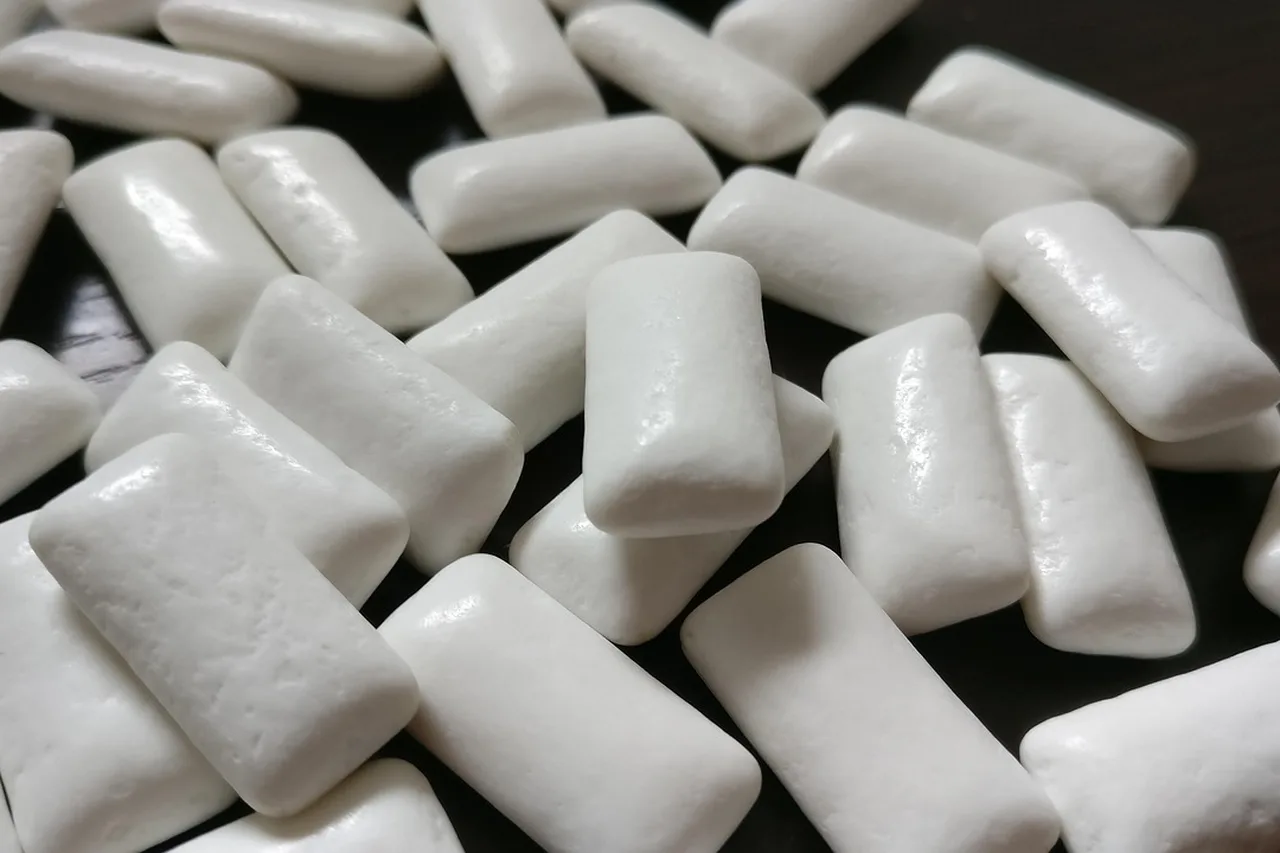
This is the part that keeps dogs safe long-term, because most xylitol poisonings are accidents of not knowing where it lurks. It’s frequently labelled “birch sugar”, which slips past owners scanning for the word xylitol. Common sources include:
- Sugar-free gum, mints, and candy — the classic culprits, and often the highest-dose ones.
- Some peanut butters and nut butters — the FDA has specifically warned about this, because peanut butter is such a popular dog treat and a stuffed-toy staple. Always read the label; our peanut butter guide covers the exact check.
- “Sugar-free”, “no sugar added”, “keto”, and “diabetic-friendly” baked goods and desserts — including things baked at home.
- Chewable vitamins, supplements, and some medications.
- Non-food items — toothpaste, mouthwash, and some nasal sprays.
The habit that protects your dog is one line long: read the ingredient label of anything sweet or “sugar-free” before it comes near your dog, every time, because brands reformulate without warning. A tub of peanut butter that was safe last month may not be this month.
What to do if your dog ate xylitol
This is an emergency. Act now, and don’t wait for symptoms.
- Call immediately. Phone your vet, or a poison line: ASPCA Animal Poison Control at (888) 426-4435 or Pet Poison Helpline at (855) 764-7661. They’re staffed around the clock.
- Have the details ready. The exact product, how much your dog may have eaten, when, and your dog’s weight. Read the label for xylitol or “birch sugar” so you can tell them.
- Don’t self-treat. Do not induce vomiting or give anything at home unless a vet or poison-control specialist tells you to — a dog whose blood sugar is already crashing can be harmed by home remedies. Get professional advice on the phone first.
- Go in if told to. Xylitol cases are managed with blood-sugar monitoring and supportive care; the sooner treatment starts, the better the outcome.
Even if your dog “seems fine,” make the call — the delay in some products is exactly the trap.
Preventing the next scare
Because xylitol poisonings are almost always accidents, prevention is straightforward once you know the sources. Keep gum, mints, and candy in bags and drawers your dog can’t reach — a handbag on the floor is a classic gum accident. Store “sugar-free” baked goods and supplements out of counter-surfing range. And check every peanut butter and nut butter label before it goes in a toy or a treat. If you want to take the guesswork out of treats entirely, making them yourself means you control every ingredient — which is the whole idea behind keeping xylitol out of the treat jar for good.
The bottom line on xylitol
Xylitol is genuinely one of the most dangerous everyday toxins for dogs: fast-acting, dangerous in tiny amounts, and hidden in ordinary products under the friendly name “birch sugar.” Learn where it hides, read the labels, keep the gum off the floor — and if your dog ever gets into it, don’t wait. Call your vet or a poison line right away. Keep those numbers somewhere you’ll find them fast; our Dog Toxic-Foods Checker lists them alongside dozens of other verified verdicts.
Frequently asked questions
- How much xylitol is toxic to a dog?
- Less than you'd expect — which is exactly why it's treated as an emergency. Xylitol is dangerous at very small doses relative to a dog's weight: enough to cause a dangerous blood-sugar crash is a small fraction of a gram per kilogram, and higher doses risk liver failure. The problem is that a single piece of some sugar-free gum can contain a gram or more of xylitol, so just a few pieces can be a serious dose for a small dog. Because the amount per product varies so much and the risk is so high, never try to judge a 'safe amount' yourself — call your vet or a poison line and let them calculate it from the exact product and your dog's weight.
- How fast does xylitol affect dogs, and what are the signs?
- Fast. The drop in blood sugar can begin within about 10 to 60 minutes of eating xylitol, though with some products (certain gums) it can be delayed for several hours, which is why 'my dog seems fine' is not reassurance. Early signs come from low blood sugar: vomiting, weakness, wobbliness or stumbling, lethargy, tremors, and in severe cases collapse and seizures. Liver damage, if it develops, shows later. Because symptoms can be sudden and severe — or delayed — the safe move is to call for advice the moment you suspect xylitol, not to watch and wait.
- Which foods and products contain xylitol?
- More than most owners realise, and it's often labelled 'birch sugar'. The classic sources are sugar-free gum, mints, and candy. But xylitol also turns up in some peanut butters and nut butters (the FDA has specifically warned about this, since peanut butter is such a common dog treat), 'sugar-free', 'no sugar added', 'keto', and 'diabetic-friendly' baked goods and desserts, chewable vitamins and some medications, protein bars, and non-food items like toothpaste, mouthwash, and nasal sprays. The habit that protects your dog is simple: read the ingredient label of anything sweet or 'sugar-free' before it comes near them, every time, because brands reformulate.
- My dog ate sugar-free gum but seems fine — do I still need to worry?
- Yes — call anyway, right now. 'Seems fine' is not proof your dog is safe, for two reasons: the effects can be delayed by hours with some gums, and by the time obvious symptoms appear, the situation is already serious. Poison-control lines exist precisely for this moment; they can tell you from the product and your dog's weight whether it's a true emergency and what to do. Do not wait for symptoms, do not try to induce vomiting on your own (a hypoglycaemic dog can be harmed by it), and do not assume a small amount is fine. Get the packaging, note the amount, and phone your vet or a poison line.
Educational content only — not veterinary or professional behavior advice. Consult your vet, or a certified trainer or behaviorist, for your pet. Read the full disclaimer →