Is Snake Plant Toxic to Dogs and Cats?
Snake plant, mother-in-law's tongue, good luck plant: the ASPCA lists the same Sansevieria under several names, and as toxic to dogs and cats under every one of them.
On this page
Yes, the snake plant is toxic to dogs and cats. The ASPCA lists it as “Toxic to Dogs, Toxic to Cats,” with “Saponins” as the Toxic Principles and “Nausea, vomiting, diarrhea” as the Clinical Signs. The listed signs are digestive, but a chewed leaf still deserves a call to your vet.
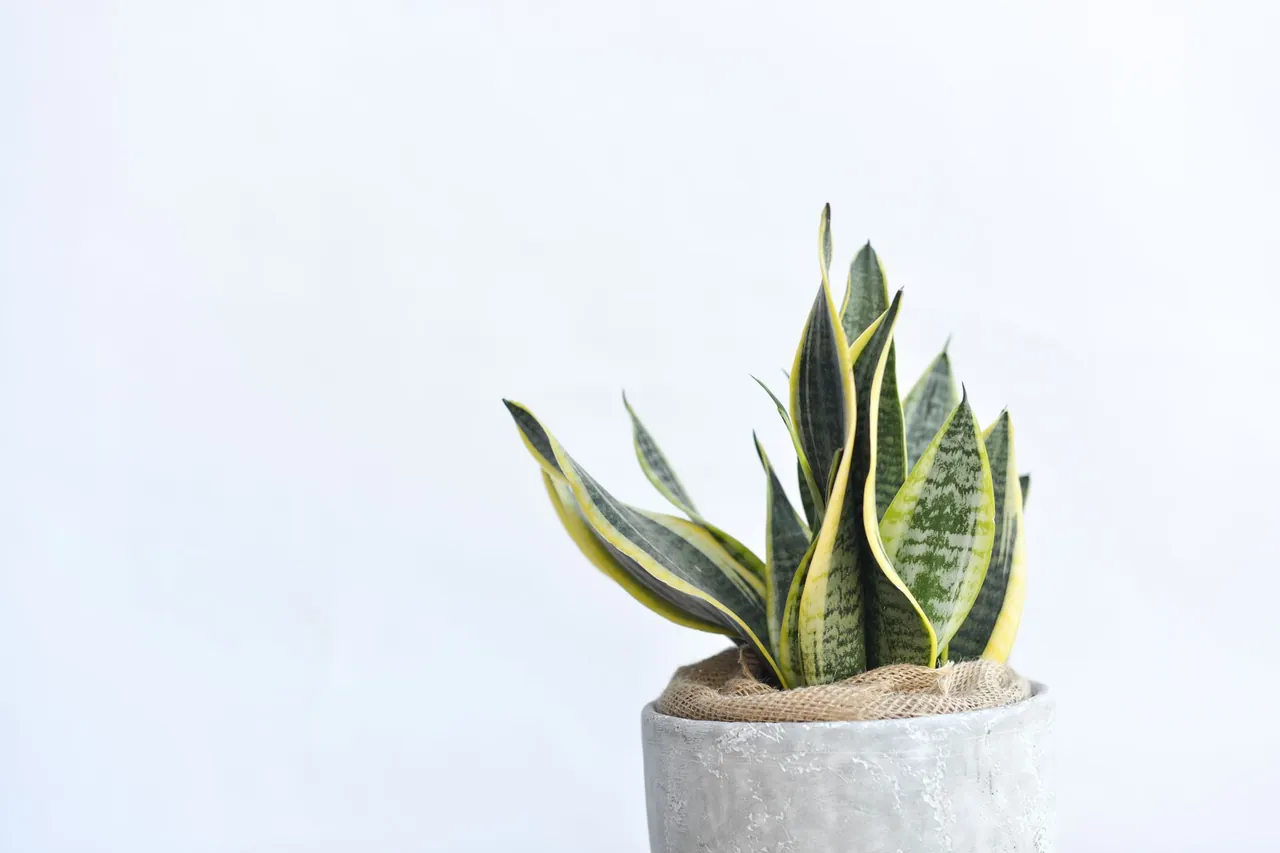
What happens if a dog chews a snake plant
The ASPCA entry covers Sansevieria trifasciata (family Agavaceae), also listed as golden bird’s nest, mother-in-law’s tongue and good luck plant. Its listed signs for a dog are nausea, vomiting and diarrhea. The entry doesn’t rate severity or give a timeline, so your vet’s read of how much was eaten and how your dog is acting decides the next step.
Merck adds detail on the chemistry: “Hemolytic saponin and organic acids found in leaves and flowers.” Merck’s list of signs reads “Vomiting, salivation, diarrhea, and hemolysis.” Hemolysis is the breakdown of red blood cells, something only a vet can assess, so call even if the signs look like an ordinary upset stomach.
What happens if a cat chews a snake plant
The ASPCA lists cats as affected, with the same nausea, vomiting and diarrhea. Neither the ASPCA entry nor Merck singles out cats for a different course, so the plan is the same: call your vet, describe how much was chewed, and follow their advice. If your cat vomits more than once, stops eating or seems weak, call back or go in.
A cat that gets sick after nibbling an unfamiliar plant is also a reason to confirm what the plant actually was. A snake plant and a true lily lead to very different plans for a cat (lilies and cats).
Signs to watch for
- Nausea
- Vomiting
- Diarrhea
- Salivation, which Merck lists
- Anything beyond a mild upset stomach, such as weakness or repeated vomiting: tell the vet
What to do
- Move the plant and note roughly how much is missing.
- Call your vet or a poison line: ASPCA Animal Poison Control (888) 426-4435 or Pet Poison Helpline (855) 764-7661 (a fee may apply).
- Follow the vet’s plan. Merck describes the treatment as “Symptomatic; fluids and electrolytes may be necessary.” Your vet decides whether that means watching at home or coming in.
- Bring the plant or a photo, and say whether flowers were eaten too, since Merck places the saponin and organic acids in both leaves and flowers.
A pet poison emergency card on the fridge keeps both numbers handy for the next time.
Safer plants to keep instead
For a pet-friendly houseplant, the ASPCA lists the spider plant as non-toxic to dogs and cats. Aloe vera isn’t a better trade: the ASPCA lists saponins there too. Neither is pothos, which the ASPCA lists as toxic to dogs and cats because of crystals that burn the mouth. Bringing home a kitten? The new cat checklist is a good moment to check every pot.
Frequently asked questions
- Is mother-in-law's tongue the same as a snake plant?
- Yes. The ASPCA lists 'Golden Bird's Nest, Mother-in-Law's Tongue, Good Luck Plant' as other names for the snake plant, Sansevieria trifasciata. The verdict is the same under every name: toxic to dogs and cats.
- How serious is snake plant poisoning?
- The ASPCA's listed signs are all digestive: nausea, vomiting and diarrhea. Merck also lists salivation and hemolysis, which is a breakdown of red blood cells, and describes treatment as symptomatic, with fluids and electrolytes when necessary. That's why a call to your vet makes sense even when the signs look like an ordinary upset stomach.
- Which part of the snake plant is toxic?
- Merck says the hemolytic saponin and organic acids are found in the leaves and flowers, so a chewed flower counts as much as a chewed leaf.
- What houseplant can I keep instead?
- The ASPCA lists the spider plant as non-toxic to dogs and cats. It's the swap I'd reach for first. Aloe vera is not a safer choice, because the ASPCA lists saponins in it as well.
Educational content only — not veterinary or professional behavior advice. Consult your vet, or a certified trainer or behaviorist, for your pet. Read the full disclaimer →