My Dog Ate Acetaminophen (Tylenol): What to Do Now
Acetaminophen, sold as Tylenol and also called paracetamol, is a common human pain reliever and a dangerous one for dogs and especially cats. Why, what to do right now, and the signs to watch for.
On this page
Acetaminophen is toxic to dogs, and even more so to cats. If your dog swallowed any, call your vet or a poison line now, before any signs appear: ASPCA Animal Poison Control at (888) 426-4435 or Pet Poison Helpline at (855) 764-7661 (a fee may apply). Acetaminophen is sold as Tylenol and is also called paracetamol. VCA says pets process it very differently from people, and even relatively small amounts may be poisonous.
What to do right now
- Call, even if your dog seems fine. VCA says to contact your vet or Pet Poison Helpline as soon as you realize your pet swallowed it, because early intervention is key.
- Have the bottle in hand. Say what the product is, how many tablets may be missing, and how much your dog weighs.
- Don’t induce vomiting or give anything by mouth unless the vet or the poison line tells you to; Pet Poison Helpline explains that home attempts can cause aspiration pneumonia and injure the esophagus or stomach.
- If your dog shows any distress, go straight to your vet or the nearest emergency clinic, and bring the bottle (VCA).
Keep the numbers where you’ll find them in a hurry: the free pet poison emergency card is made for the fridge.
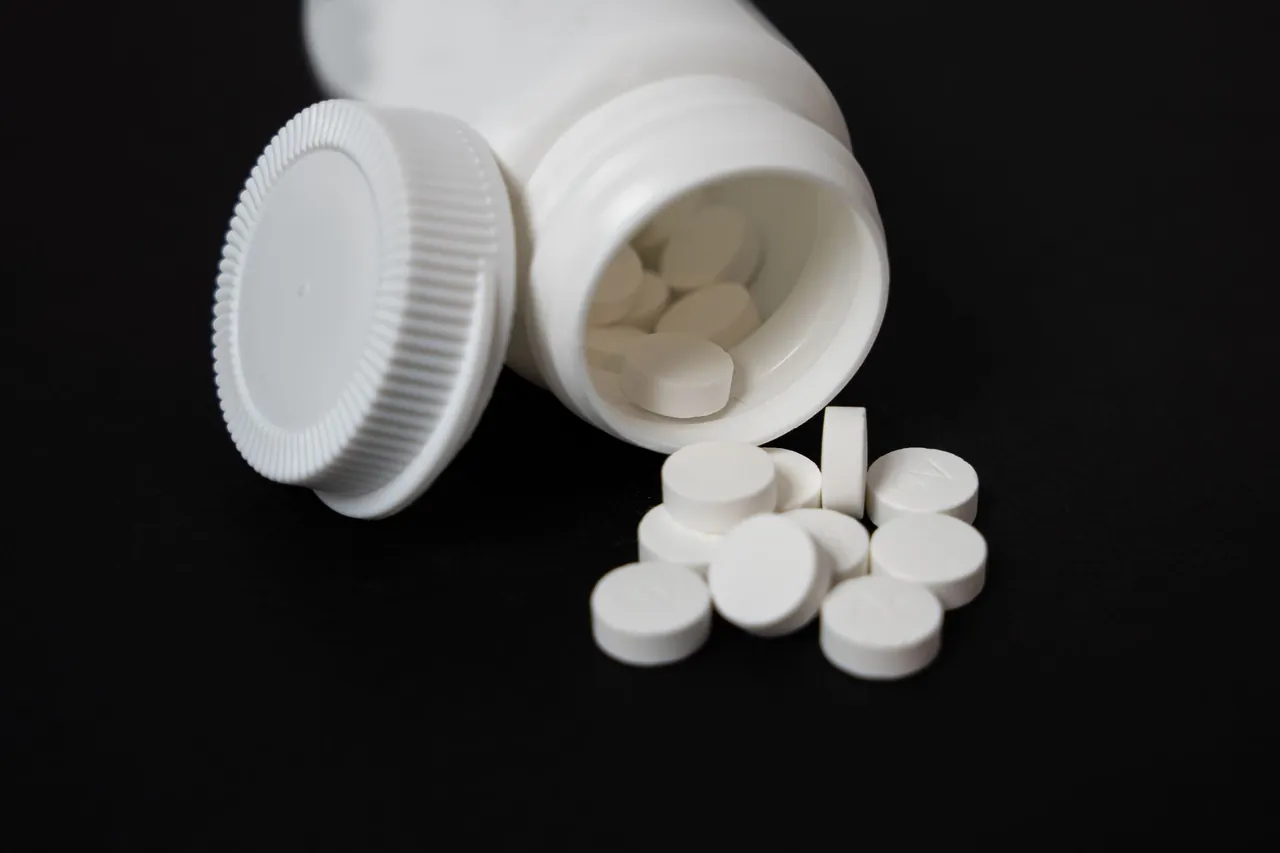
Why acetaminophen is dangerous for dogs
The liver normally clears acetaminophen through a couple of safe pathways, the Merck Veterinary Manual explains. When those are overwhelmed, a toxic by-product builds up and can damage the liver and red blood cells. The FDA describes the two main harms: liver damage, and damage to the red blood cells that carry oxygen. Dogs are more likely to get the liver damage; cats are more prone to the red-blood-cell damage.
Signs to watch for
Call before these appear, but tell your vet if you see any (Merck, VCA):
- Gums that look brown, muddy, pale or bluish, a sign the blood is not carrying oxygen well.
- Swelling of the face or paws.
- Fast breathing, a fast heart rate, breathing trouble or weakness.
- Yellowing of the skin, gums or eyes (jaundice), from liver damage.
- Stomach upset, poor appetite, depression or heavy panting.
- Dry, painful eyes with squinting or discharge, which has been reported in some dogs.
Cats: never
Every source agrees that cats are even more sensitive than dogs. Merck explains that cats lack much of the liver enzyme activity that clears the drug; the FDA calls acetaminophen fatal to cats, and VCA says it should never be given to a cat. If a cat licked a dropped tablet or got into a bottle, call immediately.
Never give a dog a human pain reliever on your own
The FDA’s rule covers every human medicine: don’t give it to your pet unless your vet tells you to. If your dog is in pain, your vet can prescribe something made for dogs. Keep medicines in a closed cabinet, track what your dog is prescribed with a dog medication log, and read the related answers on ibuprofen and naproxen and aspirin.
Frequently asked questions
- Is a single Tylenol dangerous for a dog?
- It can be. VCA says pets process acetaminophen very differently from people and that even relatively small amounts may be poisonous; how serious it is depends on the product, your dog's size and how much was eaten. The poison line or your vet works that out with you, so call now rather than waiting for signs.
- Why is acetaminophen so dangerous for cats?
- Cats lack much of the liver enzyme activity they need to break it down, Merck explains, and the FDA says cats are more prone to the red-blood-cell damage it causes. The FDA calls acetaminophen fatal to cats, and VCA says it should never be given to a cat. If a cat licked or swallowed any, call immediately.
- Can I give my dog Tylenol for pain?
- Not unless your vet tells you to. The FDA's advice is never to give a pet a human medicine without your vet's direction, and Pet Poison Helpline notes acetaminophen has a narrow margin of safety in dogs. If your dog is in pain, call your vet.
- What will the vet do?
- That depends on what your dog ate and how long ago. Treatment is your vet's decision; Merck describes N-acetylcysteine as a potential antidote that may help limit the liver and red-blood-cell damage caused by the drug's toxic by-product, and VCA stresses that early intervention is key.
Educational content only — not veterinary or professional behavior advice. Consult your vet, or a certified trainer or behaviorist, for your pet. Read the full disclaimer →