My Dog Ate Ibuprofen or Naproxen: What to Do Now
Ibuprofen (Advil, Motrin) and naproxen (Aleve) are common household medicines, and both are toxic to dogs. Why they are so dangerous, what to do in the next few minutes, and the signs to watch for.
On this page
Ibuprofen and naproxen are toxic to dogs. If your dog swallowed any, call your vet or a poison line now, before any signs appear: ASPCA Animal Poison Control at (888) 426-4435 or Pet Poison Helpline at (855) 764-7661 (a fee may apply). These everyday pain relievers (ibuprofen is sold as Advil and Motrin, naproxen as Aleve) can cause life-threatening stomach and intestinal ulcers and kidney failure in dogs, the ASPCA warns, and early treatment matters.
What to do right now
- Call, even if your dog seems fine. The ASPCA’s advice for any poisoning is not to wait for symptoms, because many poisons can have a delayed effect and are harder to treat once signs start.
- Have the packet in hand. Say what the medicine is, how many tablets may be missing, and how much your dog weighs. Keep the packaging for the vet.
- Don’t induce vomiting or give anything by mouth unless the vet or the poison line tells you to.
- Go straight to a vet or emergency clinic if your dog is unconscious, has a seizure, struggles to breathe or is bleeding (ASPCA).
The free pet poison emergency card keeps these numbers and steps on the fridge, so nobody has to search for them in a panic.
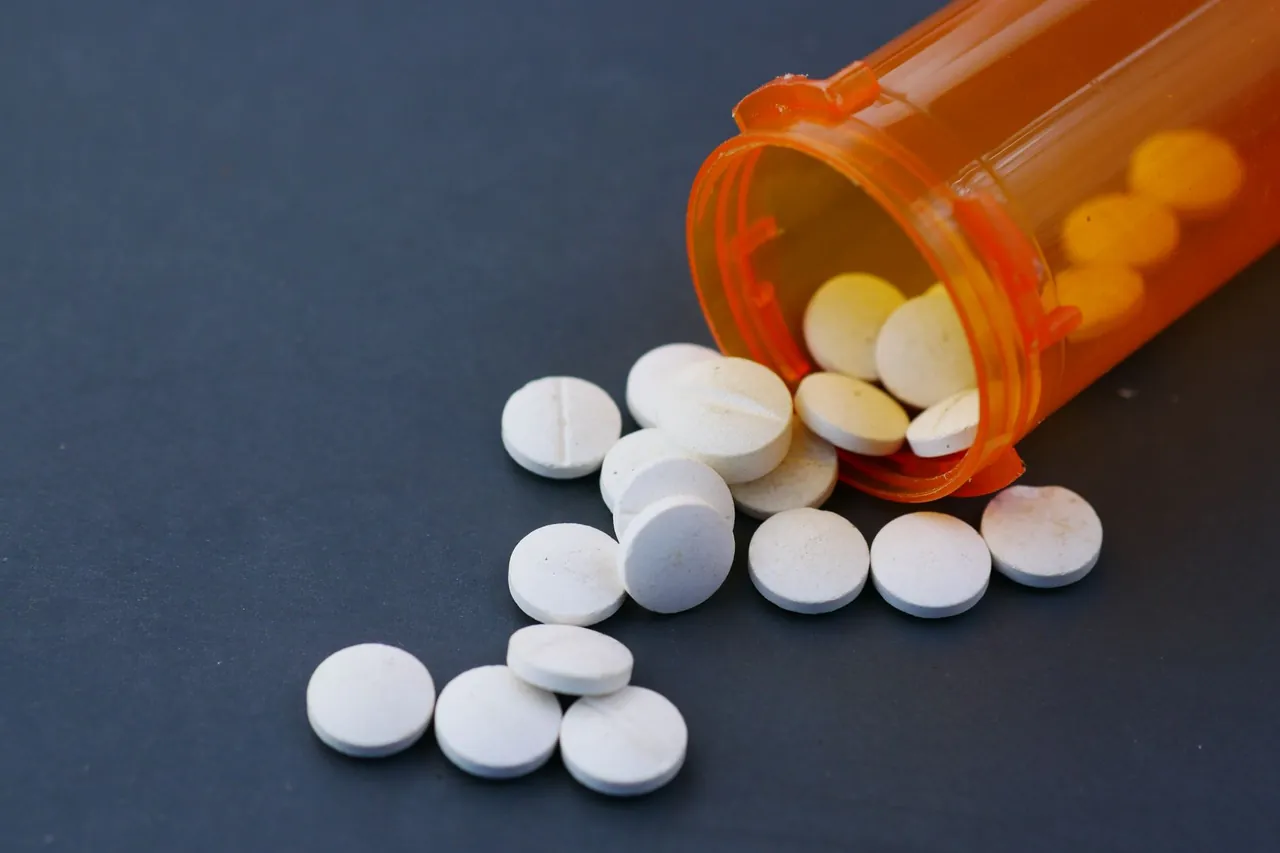
Why these pain relievers are dangerous for dogs
Ibuprofen and naproxen are NSAIDs. They work by blocking the enzymes that make prostaglandins, the Merck Veterinary Manual explains. VCA puts it plainly: ibuprofen blocks chemical messengers that also help keep the gut, kidneys, liver and blood clotting working normally.
A human NSAID can also behave differently in a dog. The FDA says it may last longer in the body, be absorbed faster and reach higher blood levels; many NSAIDs stay trapped in the stomach, where they can irritate its lining, and they can reduce blood flow to the kidneys. Naproxen in particular stays in a dog’s body for a long time (Merck), and Pet Poison Helpline says it has a narrow margin of safety in dogs and cats.
Signs to watch for
The poison line needs to hear from you before these appear, but they tell your vet what is happening:
- Ibuprofen: vomiting, diarrhea, black or tarry stool, poor appetite, lethargy, and drinking or urinating more (Pet Poison Helpline). Merck lists stomach irritation, ulcers, bleeding in the gut and kidney damage as the most common problems. Higher exposures can cause wobbliness, tremors, seizures or coma (Merck, VCA), and VCA notes that liver or kidney damage may be permanent.
- Naproxen: vomiting (sometimes with blood), black or tarry stool, diarrhea, a painful belly, weakness, pale gums and lethargy. Severe ulcers can perforate the intestine, and acute kidney failure can follow (Pet Poison Helpline).
Never give a dog a human pain reliever on your own
The FDA’s advice is simple: don’t give your pet any human medicine unless your vet tells you to. Merck notes that ibuprofen is no longer recommended for dogs, and Pet Poison Helpline says naproxen should never be given to a dog or cat. If your dog seems sore or stiff, call your vet; there are pain medicines made for dogs that your vet can prescribe.
Keep pills out of reach
VCA notes that ibuprofen poisoning more commonly happens when pets get into their owner’s medication, so store medicines in a closed cabinet rather than on a nightstand, a counter or in a bag on the floor, and pick up a dropped tablet straight away. A dog medication log keeps track of what your dog is actually prescribed. The same rule applies to the other common medicine-cabinet emergencies: acetaminophen and aspirin, and to sugar-free products that contain xylitol.
Frequently asked questions
- Is one ibuprofen tablet dangerous for a dog?
- It can be, and you can't judge it at home: how serious it is depends on the tablet, your dog's size and health, and how much was really eaten. That is exactly what the poison line or your vet works out with you. Call now rather than waiting to see whether signs appear.
- Can I give my dog ibuprofen or naproxen for pain?
- No. The FDA says not to give your pet a human medicine unless your vet tells you to, and notes that no over-the-counter NSAID is FDA-approved for dogs or cats. Pet Poison Helpline says naproxen should never be given to a dog or cat. If your dog is in pain, call your vet: there are pain relievers made for dogs.
- Should I make my dog throw up?
- Not on your own. Pet Poison Helpline says the safest step is to call your vet or a poison line first, because making a dog vomit at home can cause aspiration pneumonia or injure the esophagus and stomach, and it is riskier for some breeds and conditions. Never use salt, mustard or syrup of ipecac.
- What will the vet do?
- That depends on what and how much your dog ate and how long ago. VCA notes that early decontamination (limiting how much of the drug the body absorbs) and early treatment are key, and Pet Poison Helpline says the sooner naproxen poisoning is treated, the better the outcome.
Educational content only — not veterinary or professional behavior advice. Consult your vet, or a certified trainer or behaviorist, for your pet. Read the full disclaimer →