Raising an LGD Puppy with Livestock
A guardian dog is made in its first months. When to start bonding, how to set up the pen, feeding and handling, the adolescent chasing phase, and how long before you can trust the dog alone with young stock.
On this page
To raise a livestock guardian puppy, bond it with the stock early, around 8–10 weeks, in a secure pen with calm, mature animals. Feed it near the livestock, handle it briefly every few days, teach a few basics, and then manage it closely through the long adolescent phase, when chasing and rough play are normal. Most guardians aren’t fully reliable until about 18–24 months. That’s the consensus from UC Cooperative Extension, Texas A&M AgriLife and South Dakota State University Extension.
The goal is a dog whose social world is the flock. Everything in the first year is set up to make that happen.
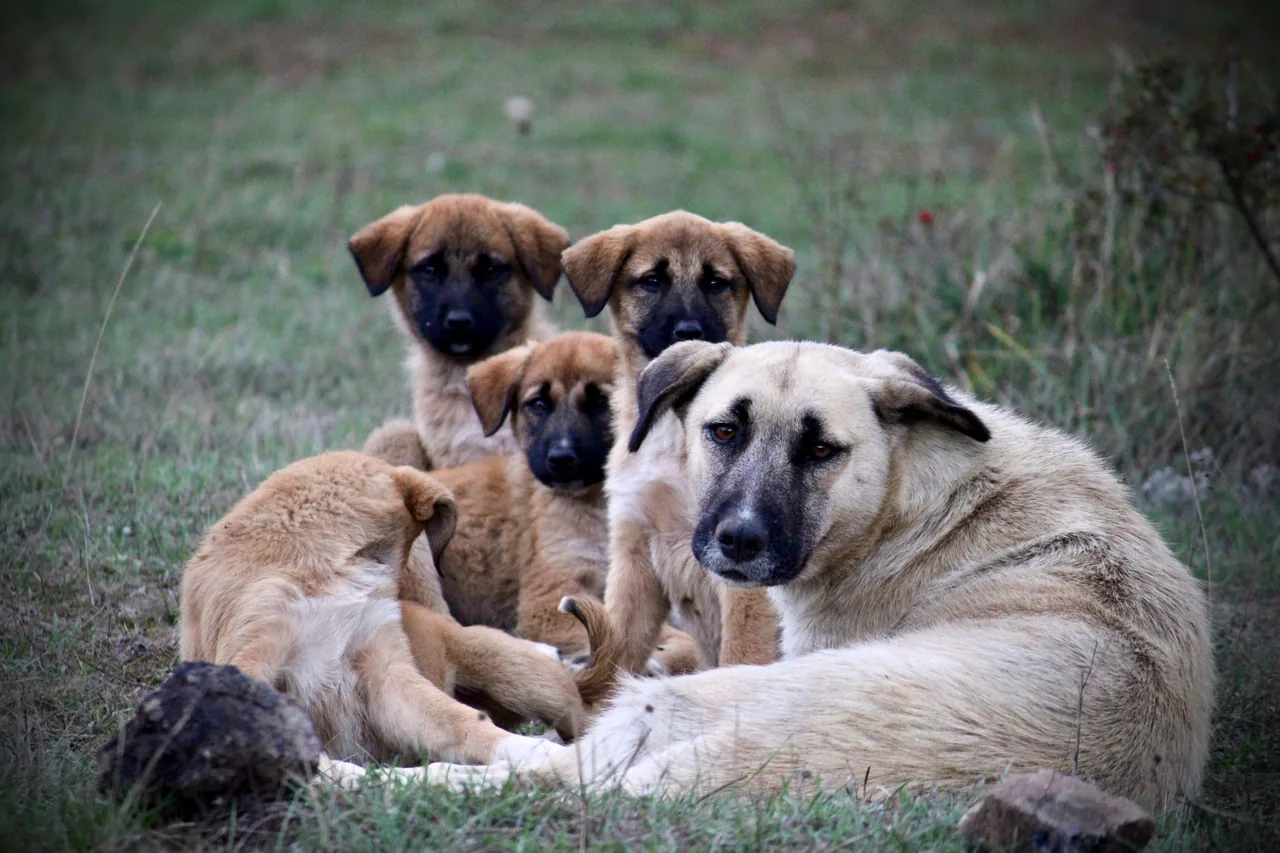
When to start
UC Cooperative Extension suggests starting bonding at 8–10 weeks; SDSU cites 8 weeks; Texas A&M bonds pups between 5 and 14 weeks and suggests buying a weaned 8-week-old. UC explains why the timing matters: weeks 8–16 are a period of rapid brain development when social bonds form, and pups bonded to stock then are more likely to stay with it as adults. Texas A&M notes that pups bonded on the ranch just after weaning are likelier to stay with stock than pups raised by a breeder and bought older.
Texas A&M also says pups should stay with their mother and littermates until at least 8 weeks, and should be socialized to people before 14 weeks. You want a dog that’s handleable, just not one that would rather be on the porch.
The bonding pen
UC Cooperative Extension describes a bonding pen of about an acre at most, with woven wire or electric netting the pup can’t slip through, and a small “safe” pen inside where the pup can retreat. Pair the pup with mature stock that won’t tolerate chasing or play; mature dry ewes or does work well.
Avoid bonding a pup alongside a littermate or older dog, UC warns, because the pup may bond to dogs instead of stock. Limit early contact with herding and pet dogs too.
Feeding and handling
Feed near the stock. UC suggests feeding the pup near the livestock at their feeding time at first, then using an automatic feeder inside the safe pen so livestock can’t eat the dog food. SDSU advises feeding LGDs near the animals and away from the house and other dogs to reduce wandering. UC suggests feeding twice a day for the first 4–6 months, and large-breed puppy food for the first year.
Handle regularly but briefly. UC suggests 2–3 sessions a week of 5–10 minutes (feet, mouth, ears); Texas A&M uses 15–20 minutes, 3–4 days a week, done with the livestock. Either way, the point is a dog you can examine and treat, which your vet will appreciate. Keep up with vaccines and parasite control; the free puppy vaccination schedule helps.
Basic training. After the first month, UC suggests teaching name, recall and “No,” giving praise only in the livestock area. Leash and tether training can start around 9 weeks, according to Texas A&M.
Moving out to pasture
Texas A&M keeps pups in the bonding pen until about 6 months. UC suggests that after 4–6 months the pup can move to pasture with adult stock, with close watching for roaming, chasing and people-seeking. Introducing pups during lambing or kidding lets you watch closely, SDSU notes, though protective mothers may scare a pup off.
The adolescent phase: 8 to 18 months
This is the stage that needs the most management. Texas A&M describes chasing and rough play as normal from about 8 to 18 months. Its pups chewed the ears of lambs and kids when young stock wasn’t moved out of the pen quickly enough, and chasing can escalate to biting that injures or kills young stock.
What helps:
- Correct in the moment. UC advises watching for stalking, chasing or biting and giving a gruff “No” right then; timing matters.
- Separate and supervise young stock during this window (Texas A&M).
- Management tools Texas A&M describes: a dangle stick on the collar, and a few weeks penned with mature rams or billies that won’t tolerate chasing.
On aversive tools, sources disagree. Texas A&M describes a shock collar as a last resort near maturity, warning that misuse can make dogs fear people. The American Veterinary Society of Animal Behavior’s position is that aversive methods should not be used in dog training. Management and timing-based correction are where everyone agrees, so start there.
Some dogs aren’t suited to guarding. UC notes persistent rough or dominant behavior toward stock is hard to change, and a dog that doesn’t outgrow it may need rehoming to a non-guarding situation.
When is the dog trustworthy?
There’s no single age. Texas A&M puts full effectiveness at about 18–24 months, up to around 30 for some breeds; UC Cooperative Extension considers 2 years and up working age. Texas A&M suggests adding a second dog only after the first is fully mature. Until then, supervise with young stock. For the bigger picture of what LGDs do and need, see livestock guardian dogs for beginners.
Your local vet and county extension livestock advisor are your best partners through the first two years.
Frequently asked questions
- At what age should an LGD puppy start living with livestock?
- UC Cooperative Extension suggests starting bonding at 8–10 weeks; Texas A&M bonds pups between 5 and 14 weeks and suggests buying a weaned 8-week-old. Pups bonded on the farm right after weaning are likelier to stay with the stock than pups bought older.
- Should I feed my LGD puppy away from the livestock?
- Feed it near the livestock, but where the stock can’t get to the dog food. UC Cooperative Extension suggests feeding the pup near the stock at their feeding time at first, later using a feeder inside the pup’s safe pen. SDSU advises feeding LGDs near the animals and away from the house and other dogs to reduce wandering.
- My LGD puppy chases and chews on the goats. Is that normal?
- Chasing and rough play are a normal adolescent phase from about 8 to 18 months, according to Texas A&M, and pups may chew the ears of young lambs or kids. It needs active management: supervise, separate young stock, and correct in the moment. Behavior that doesn’t improve may mean the dog isn’t suited to guarding.
- When can I leave my LGD alone with lambs or kids?
- There’s no single age. Texas A&M puts full effectiveness at about 18–24 months, up to around 30 for some breeds, and UC Cooperative Extension considers 2 years and older working age. Until then, supervise and keep young stock separate.
Educational content only — not veterinary or professional behavior advice. Consult your vet, or a certified trainer or behaviorist, for your pet. Read the full disclaimer →