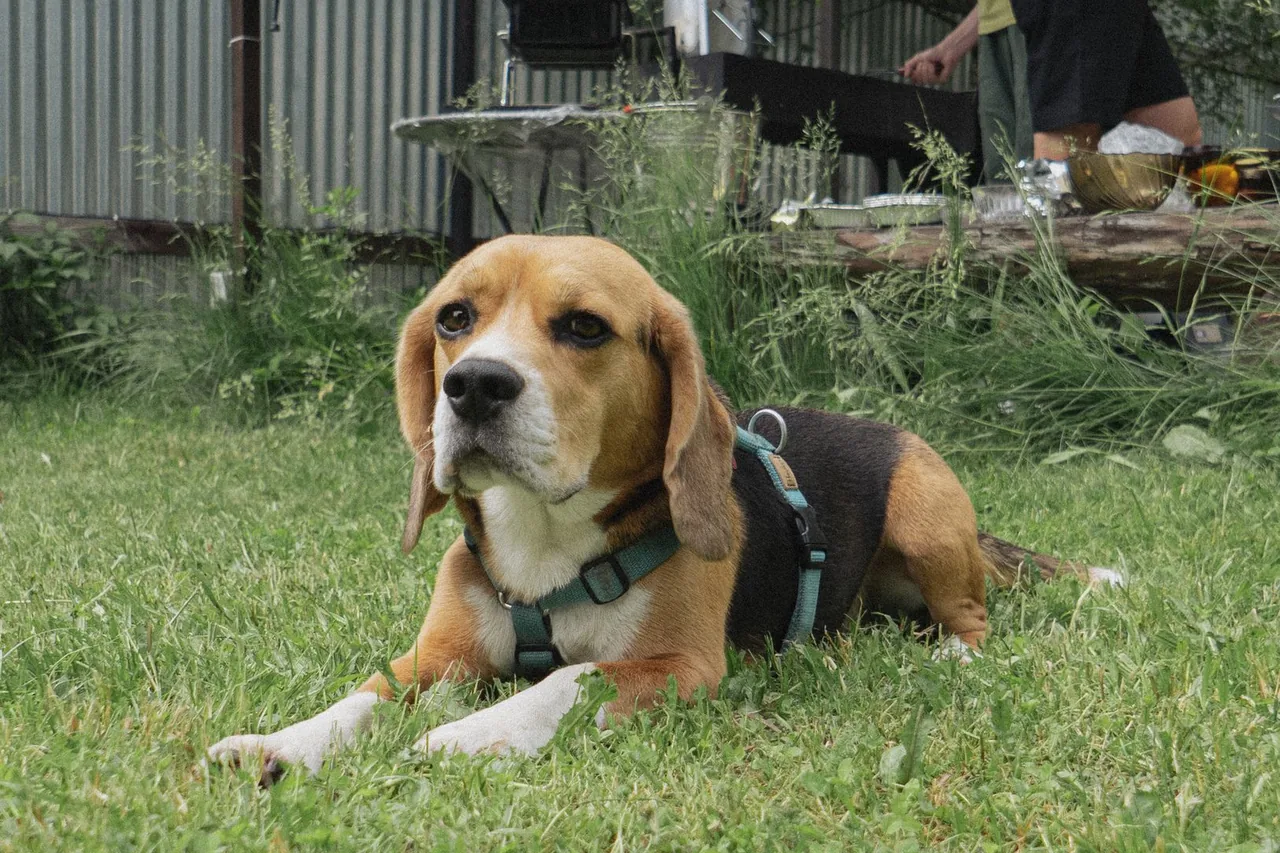
Personality
Beagles were bred to hunt in packs, so they love company, human or canine, and are typically easygoing with children and other dogs (AKC rates both 5 of 5). The flip side is that a Beagle left alone for long stretches tends to get bored and destructive. They are vocal dogs: the AKC rates barking 4 of 5, and the breed’s howl, or “bay,” carries.
Exercise
The AKC recommends at least an hour of exercise every day, and more than time in the yard. Beagles are scent hounds and escape artists: the AKC advises a fence at least five feet tall that also extends underground to stop digging, and leashed walks, because once a Beagle catches a scent it may not come back. Sniff walks and scent games are ideal outlets.
Grooming
The short, dense double coat sheds moderately all year and more in spring. Weekly brushing with a hound glove, rubber mitt or medium-bristle brush is usually enough, and baths are only needed when the dog gets messy. Check the ears weekly and trim the nails regularly.
Health: what to know
- Hip dysplasia, hypothyroidism, epilepsy, luxating patella and eye disorders. The AKC lists these as conditions responsible breeders screen for. Ask to see the parents’ results.
- Ears. Long, drop ears need a weekly check for redness, odor or debris.
- Food raiding. A Beagle’s nose finds food fast, including toxic foods left out. Keep the counters, trash and bags out of reach.
Training
Beagles are smart but independent, and the AKC is clear that they don’t respond well to harsh methods. Treats are a big help, and patience, positive reinforcement and a little creativity win out. Early socialization and puppy classes are a must, and a reliable recall takes extra work with a scent hound.
Is this breed right for you?
- Families with children or other dogs
- Owners who enjoy daily walks and don’t mind a dog that sniffs every inch
- Homes with a secure, dig-proof fence
- Apartments with thin walls and close neighbors (the bay carries)
- Owners who want reliable off-leash freedom
- Homes where the dog would be alone most of the day