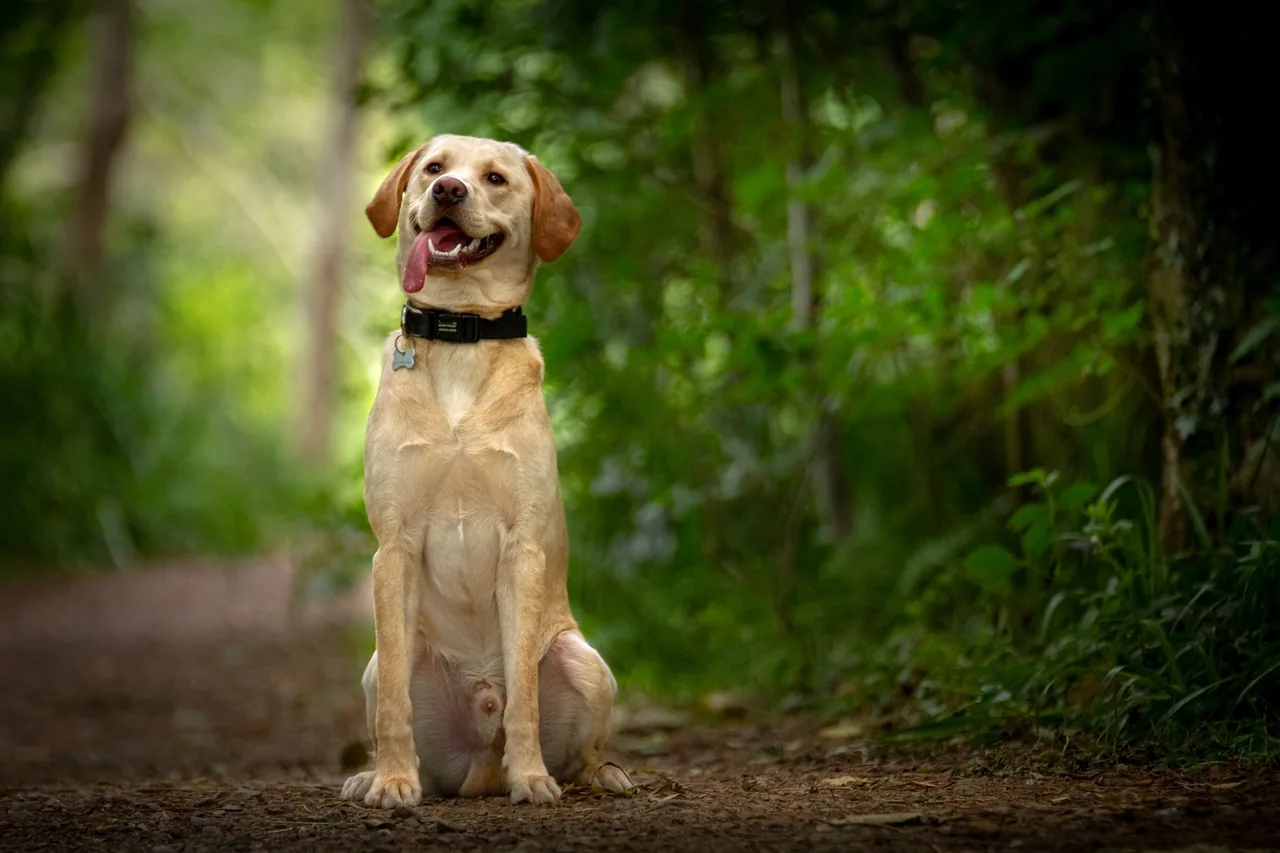
Personality
Labs are devoted, intelligent and enthusiastic, the AKC says, and need to be included in family activities. They are famously friendly with everyone, which makes them excellent family, therapy and assistance dogs.
Exercise
The AKC calls the Lab an exuberant, very energetic breed that needs lots of exercise every day; a Lab without enough exercise tends to become hyperactive or destructive. Retrieving and swimming are favorites, and dog sports such as agility, obedience, tracking and dock diving are great outlets.
Grooming
The thick, water-repellent double coat sheds (AKC shedding: 4 of 5), so regular brushing helps, with occasional baths. Trim the nails regularly and brush the teeth often.
Health: what to know
- Hip and elbow dysplasia, heart disorders, eye conditions. The AKC lists these, including progressive retinal atrophy, among the conditions responsible breeders screen for.
- Exercise-induced collapse (EIC). Some young adult Labs can collapse after intense exercise; a DNA test lets breeders identify carriers, per the AKC.
- Hereditary myopathy. A muscle-weakness condition breeders screen for.
- Bloat. Like other large, deep-chested dogs, Labs can develop this life-threatening stomach condition. Retching without bringing anything up and a swollen belly mean go to an emergency vet now.
Training
With a Lab’s strength and energy, the AKC calls early socialization and puppy classes vital. Gentle exposure to many people, places and situations between about 7 weeks and 4 months, plus early obedience training, helps a Lab grow into a well-mannered adult. They are highly food-motivated, which makes reward-based training easy.
Is this breed right for you?
- Active families with children or other pets
- Owners who enjoy daily walks, swimming and fetch
- First-time owners ready for training and lots of exercise
- Homes that can’t provide daily vigorous exercise
- Owners who can’t tolerate shedding
- People wanting a guard dog