New Puppy Checklist: What to Buy and Do Before Week One
A category-by-category gear list plus the vet, vaccine, and socialization prep that actually decides how your first week goes.
On this page
Before your puppy comes home you need a short, specific list: a crate or pen, age-appropriate food and two bowls, a flat collar with ID and a fixed-length leash, potty supplies and an enzymatic cleaner, a couple of safe chews and food puzzles, and basic grooming tools. Everything else can wait. The parts that matter more than gear are the non-shopping ones — puppy-proofing the house, choosing a vet and booking the first visit, understanding the vaccine timeline, and protecting the socialization window — so budget your attention there, not just your money.
This checklist is organized by category, with why each thing earns its place and what to skip so you do not overspend. Cost ranges are rough U.S. estimates to help you plan, not exact prices.
Sleep and crate
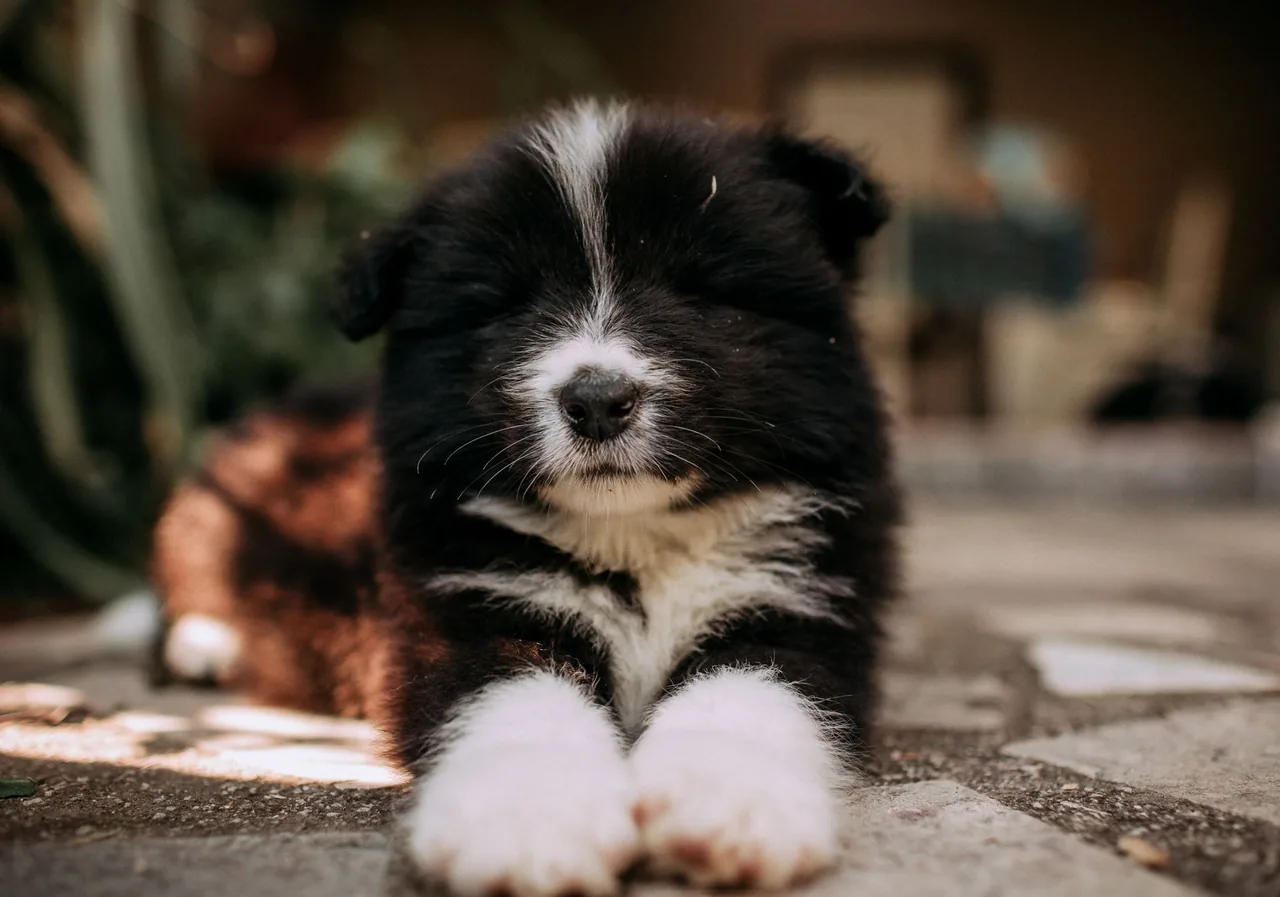
A puppy needs a small, safe place to rest and to learn to be alone in small doses. A crate doubles as a house-training tool because most puppies avoid soiling where they sleep.
- Wire crate with a divider (~$30–70). The divider lets you shrink the space to just enough to turn around and lie down, then expand it as the puppy grows: one crate for the whole first year.
- A washable bed or flat mat (~$15–40). Skip anything plush or stuffed until you know your puppy will not shred and swallow it. A folded towel is fine at first.
- An exercise pen or gated area (~$40–80) for times you cannot supervise but do not want the puppy fully confined.
Skip: designer crates, heated beds, and “calming” gadgets. The crate is a management tool, and pairing it with treats and calm routines does the real work. Never use a crate as punishment; you want it to stay a place the puppy chooses.
Feeding
- A complete puppy food labeled for growth or all life stages (look for an AAFCO nutritional adequacy statement). Ask the breeder or shelter what the puppy is currently eating and buy that first; switch foods gradually over about a week to avoid stomach upset.
- Two bowls (~$10–25), stainless steel or ceramic, which are easy to clean and do not scratch and harbor bacteria the way soft plastic can.
- A measuring cup or kitchen scale. Puppies are easy to overfeed; feeding to the bag’s guidelines and your vet’s advice protects growing joints.
Skip: raw-diet kits and exotic supplements unless your veterinarian specifically recommends them. A young puppy on a balanced commercial growth diet does not need extras, and some supplements can unbalance the calcium-to-phosphorus ratio that matters for large-breed skeletal growth.
Potty and cleanup
- An enzymatic cleaner (~$8–15). Ordinary cleaners leave scent markers you cannot smell but your puppy can, which invites repeat accidents. Enzymatic formulas break those down.
- Poop bags and, if you live in an apartment, potty pads as a bridge, though pads can slow full outdoor training, so treat them as temporary.
- High-value treats cut small for rewarding potty successes the instant they happen outside.
House-training is a routine, not a product: take the puppy out after waking, eating, playing, and every hour or two, and reward heavily outdoors. Accidents are interrupted calmly and cleaned, never punished after the fact, because punishment teaches a puppy to hide, not to hold it.
ID and safety
- A flat, adjustable collar (~$8–20) and an ID tag with your phone number, the fastest way a lost puppy gets home.
- A standard 4–6 ft leash (~$8–20). Skip retractable leashes for a young puppy; they teach pulling and give you poor control near roads.
- A harness for walks (~$15–35) spreads pressure across the chest instead of the throat, which is gentler on a growing neck.
- Microchipping (~$25–60, usually done at a vet visit) is a permanent backup ID; remember to register and update your contact details.
- Use a front-clip or well-fitted harness rather than any collar that tightens, chokes, pinches, or shocks. Aversive tools are unnecessary and are not recommended by veterinary behavior organizations.
Grooming
- A brush suited to the coat (~$10–25) and dog-formulated shampoo; human shampoo can irritate a puppy’s skin.
- Nail clippers or a grinder (~$10–25). Overgrown nails change how a dog stands and can hurt.
- A soft toothbrush and canine toothpaste (~$8–15). Never use human toothpaste; xylitol and fluoride are unsafe for dogs.
The goal in week one is not a spotless coat. It is teaching your puppy that being handled, brushed, and having paws touched predicts good things. Pair every tool with treats and keep sessions short.
Enrichment and training
- A few safe chews and food puzzles or a stuffable rubber toy (~$10–30 total). Chewing is a biological need for a teething puppy; giving safe outlets protects your furniture and soothes gums.
- A treat pouch and a clicker or marker word (~$5–15). Reward-based training is the method supported by the veterinary behavior community; it is effective and does not carry the fallout — fear and aggression — associated with aversive methods.
- Rotate toys rather than buying dozens; novelty comes from rotation, not volume.
Skip: giant toy hauls, rawhide (a choking and blockage risk for some dogs), and anything smaller than the puppy’s mouth.
Puppy-proofing before day one
Get on the floor and look at the room from the puppy’s height.
- Secure electrical cords, and move medications, cleaning products, and trash out of reach. Call your vet or a poison-control line immediately if you suspect ingestion.
- Remove or fence off toxic plants and foods — common ones include grapes and raisins, chocolate, onions, garlic, and anything sweetened with xylitol.
- Pick up choke-sized objects: coins, hair ties, socks, kids’ toys.
- Decide house rules as a household before the puppy arrives, so everyone rewards the same behaviors.
Choosing a vet and booking the first visit
Line up a veterinarian before the puppy comes home, and book the first exam within the first few days. That visit sets a baseline weight, checks for parasites and congenital problems, and gets you onto a vaccine and deworming schedule tailored to your puppy’s age, region, and lifestyle. Bring any records from the breeder or shelter.
The core vaccine timeline
Following the AAHA Canine Vaccination Guidelines, core vaccines are the ones recommended for essentially every puppy:
- DAP (distemper, adenovirus, parvovirus; often combined as DHPP/DAPP, which also include parainfluenza): the first dose is typically given around 6–8 weeks, then boosters every 2–4 weeks until the puppy is at least 16 weeks old. The series matters because maternal antibodies can block an early dose, so the final one after 16 weeks confirms protection.
- Rabies: a single dose is usually given between 12 and 16 weeks, with timing set by local law.
Leptospirosis is now core for most dogs too (AAHA, 2024), usually two doses starting at 12 weeks or later. Your vet may add non-core vaccines (such as Bordetella or canine influenza) based on where you live and what the puppy will be exposed to. This is a general framework, not medical advice for your individual puppy; your veterinarian’s schedule takes precedence.
Socializing safely before the series is finished
The AVSAB identifies a sensitive socialization period of roughly 3 to 14 weeks, when positive experiences most powerfully shape a dog’s lifelong behavior. Because that window closes before the vaccine series ends, waiting until a puppy is “fully vaccinated” to socialize can do more harm than the disease risk it aims to avoid. Under-socialized dogs are far more likely to develop the fear and aggression problems that, tragically, cost dogs their homes.
AVSAB’s guidance is to socialize during the vaccine series, managing risk instead of avoiding the world:
- Enroll in a well-run puppy class that requires a first set of vaccinations and deworming, keeps the floor clean, and uses reward-based methods. Puppies can typically start after their first vaccines, about a week later.
- Introduce new people, sounds, surfaces, and handling at home and in safe settings; carry the puppy in busy or unknown areas rather than putting them on the ground.
- Avoid high-traffic dog spots — dog parks, pet-store floors, rest stops — until your vet clears them, but do not avoid experiences altogether.
- Keep every introduction positive and voluntary: let the puppy approach at its own pace and pair new things with treats. Never flood a frightened puppy; fear learned now is hard to undo.
A calm first-week plan
Your puppy just left everything familiar. Keep the first week small and predictable.
- Days 1–2: limit the world to one or two rooms, a consistent potty spot, and a lot of naps. Sleep-deprived puppies get mouthy and frantic; most need 16–18 hours of rest a day.
- Build a routine: regular meals, potty trips, short play, and quiet crate time. Predictability lowers stress and speeds house-training.
- Start tiny training reps: name recognition, a lure into a sit, and calm handling, 60 seconds at a time, all rewarded.
- Manage nights: a crate near your bed for the first weeks helps a puppy settle and lets you hear when they need to go out. Expect one or two overnight potty trips at first.
- Watch and adjust: loose stool that persists, not eating, lethargy, or repeated vomiting warrants a call to your vet, not a wait-and-see.
Get the setup and the first week right and most of the hard parts of the first year get easier. The gear is the small part; the routine, the vet relationship, and early positive socialization are what build a confident dog.
Frequently asked questions
- What do I actually need to buy before bringing a puppy home?
- The essentials are a crate with a divider, age-appropriate puppy food and two bowls, a flat collar with an ID tag, a standard 4–6 foot leash and a harness, an enzymatic cleaner and poop bags, a brush and dog toothbrush, and a couple of safe chews or food puzzles. That covers sleep, feeding, potty, ID, grooming, and enrichment. You can skip designer beds, retractable leashes, and huge toy hauls until you know your puppy.
- How much does it cost to set up for a new puppy?
- A sensible starter kit of gear usually runs roughly $150–350 in the U.S., depending on the crate and harness you choose. The first vet visit, initial vaccines, deworming, and microchipping add more on top of that. Buying versatile items — one crate with a divider that grows with the puppy — keeps the cost down.
- When do puppies get their vaccines?
- Following AAHA guidelines, the core DAP vaccine (distemper, adenovirus, parvovirus) typically starts around 6–8 weeks with boosters every 2–4 weeks until the puppy is at least 16 weeks old, and rabies is usually given between 12 and 16 weeks per local law. The full series matters because maternal antibodies can block earlier doses. Your veterinarian sets the exact schedule for your puppy.
- Can I socialize my puppy before it is fully vaccinated?
- Yes, and the AVSAB recommends it. The sensitive socialization period is roughly 3 to 14 weeks and closes before the vaccine series ends, so waiting until a puppy is fully vaccinated can cause more behavior harm than it prevents. Socialize safely by using well-run puppy classes that require initial vaccines, introducing new experiences in clean or controlled settings, and carrying the puppy in high-traffic areas until your vet gives the all-clear.
- How do I start house-training in the first week?
- Take the puppy out after waking, eating, playing, and every hour or two, and reward heavily the instant they go outside. Use a crate sized so the puppy can just turn around, since most puppies avoid soiling where they sleep. Clean accidents with an enzymatic cleaner and never punish after the fact — punishment teaches a puppy to hide rather than to hold it.
- Should I use a training collar or an anti-pull tool for a puppy?
- No aversive tools. Veterinary behavior organizations recommend reward-based training and advise against collars that tighten, choke, pinch, or shock, because those methods carry a real risk of fear and aggression. A well-fitted harness, ideally front-clip, plus treats for walking near you is safer and more effective for a growing puppy.
- How much sleep does a new puppy need?
- Young puppies typically need around 16–18 hours of sleep a day. An overtired puppy often gets mouthy, frantic, and hard to settle, which owners sometimes mistake for hyperactivity. Building in quiet crate time and limiting stimulation in the first week helps enormously.
Educational content only — not veterinary or professional behavior advice. Consult your vet, or a certified trainer or behaviorist, for your pet. Read the full disclaimer →