Is a Rottweiler right for you?
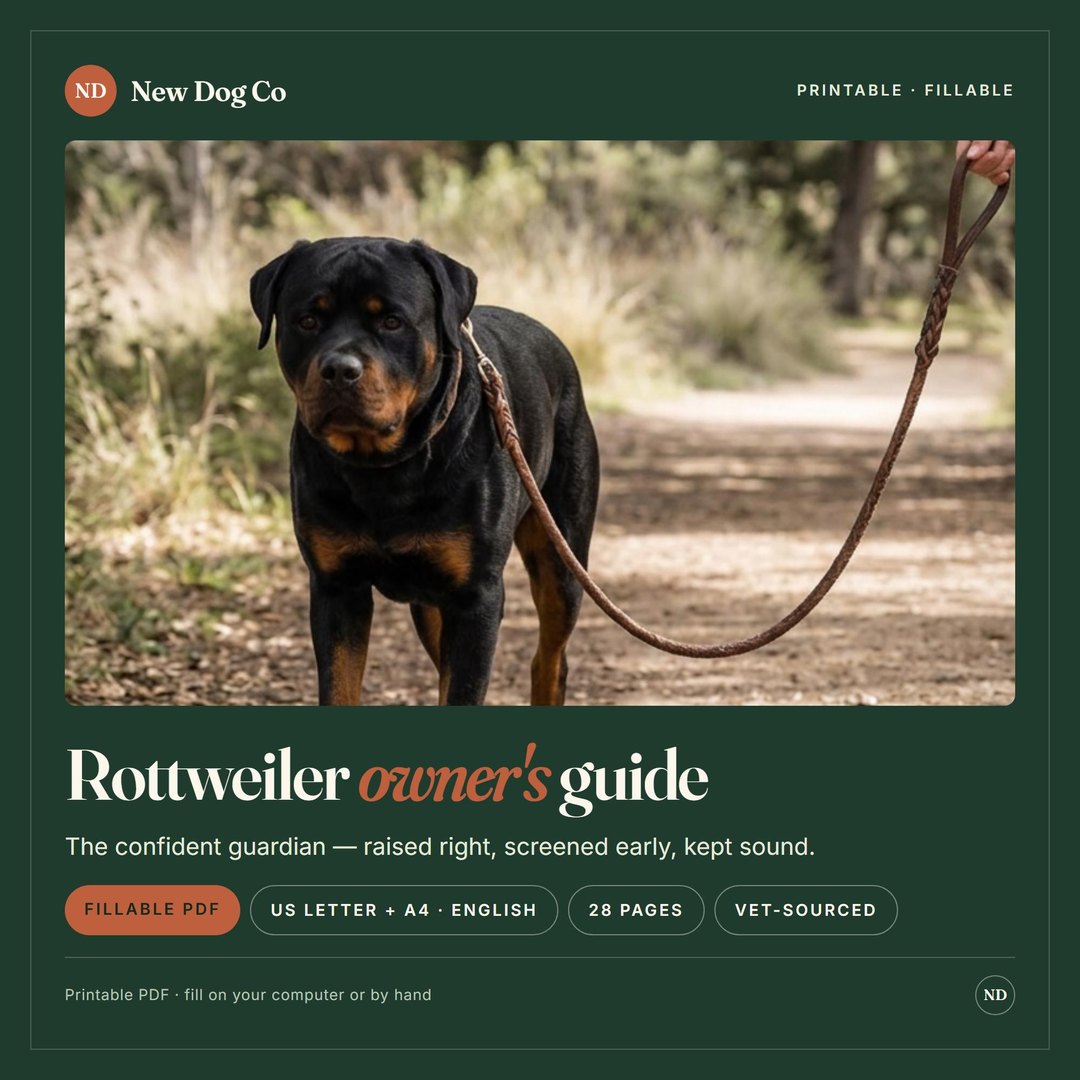
The Rottweiler is a large, muscular working breed originally bred to drive cattle and guard. At its best it is calm, confident, and deeply loyal, happy to lie at your feet and equally ready to watch the door. That combination is why the breed rewards owners who lead with structure and patience.
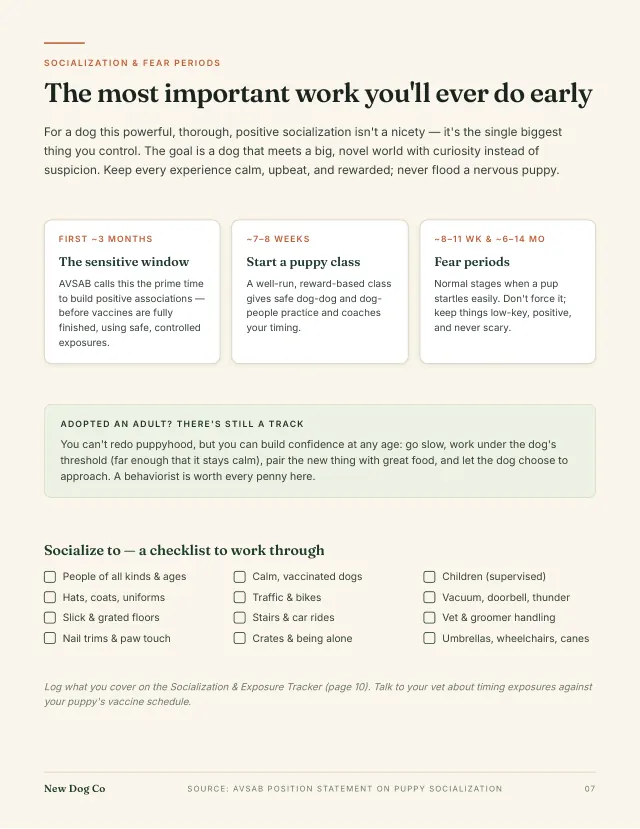
Be honest about the downsides. This is a strong dog with natural guarding instincts, so it needs early, ongoing socialization to be relaxed around strangers and other dogs. Its size means an untrained Rottweiler is very hard to manage, and many areas carry breed-specific insurance or liability considerations you should check before you commit.
Rottweilers also bond intensely and dislike being isolated in a yard away from their people. They do best living inside as part of the household, with a job to do and clear, kind guidance. If you want a low-effort, hands-off dog, this is not your breed. If you can commit to training and management, few dogs are more devoted.
Exercise, energy, and daily life
Rottweilers are a working breed with real stamina, but they are not frantic. Most adults do well with a solid hour or more of daily activity split into walks, training, and play, plus mental work to satisfy that thinking, task-oriented mind.
Good outlets include brisk structured walks, tracking or scent games, fetch, controlled tug, and dog sports like rally, obedience, or carting for dogs cleared by a vet. Because the breed is smart and bonded, training sessions double as exercise and strengthen your relationship.
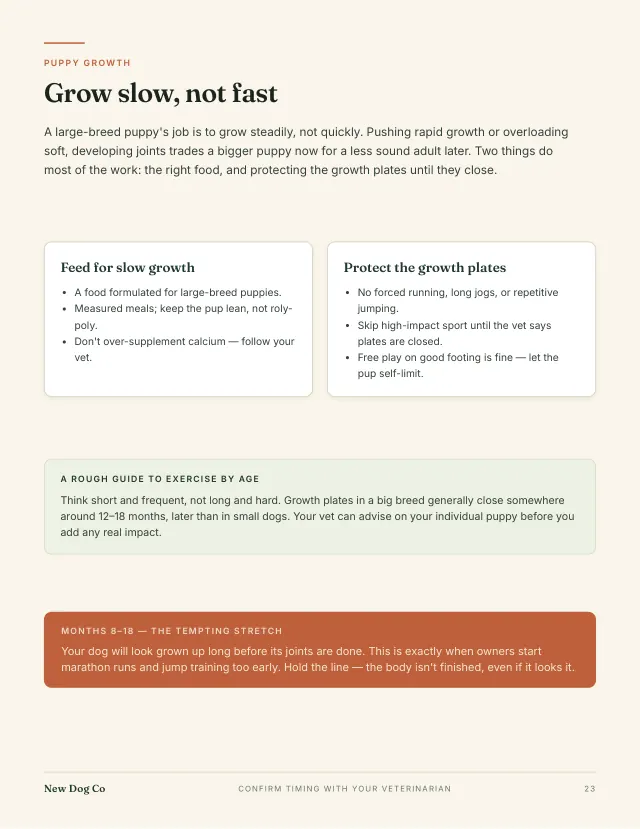
Protect growing joints. Rottweiler puppies should not be forced into long runs, repetitive jumping, or hard exercise on hard surfaces while their growth plates are open, since this breed already carries elevated joint and orthopedic risk. Keep puppy exercise age-appropriate and let free play set the pace.
A bored, under-exercised Rottweiler often becomes pushy, destructive, or over-reactive at the window. Daily physical and mental work, plus calm downtime indoors, keeps this powerful dog steady and content.
Grooming and coat
One of the easy parts of Rottweiler ownership is the coat. The breed has a short, dense double coat in the classic black-and-tan pattern, and grooming needs are refreshingly low. A weekly brush with a rubber curry or bristle brush removes loose hair and keeps the coat glossy.
Do not mistake short for non-shedding. Rottweilers shed year-round and blow their coat more heavily a couple of times a year, when daily brushing helps control the fur. They are not hypoallergenic and are a poor match for anyone needing a low-shed dog.
Bathe only as needed, roughly every couple of months or when visibly dirty, so you do not strip the coat. Round out grooming with routine care that many owners skip: regular nail trims, weekly ear checks, and tooth brushing several times a week. Because Rottweilers are big and strong, start handling paws, ears, and mouth early and pair it with rewards so grooming stays calm and cooperative for life.
Rottweiler health: what to watch for
Rottweilers are powerful, hardy dogs, and the breed still has some serious predispositions worth understanding with your veterinarian. This is guidance to help you partner with your vet, not a diagnosis.
- Osteosarcoma (bone cancer): Rottweilers are among the breeds at elevated risk for this aggressive cancer, as noted in veterinary oncology literature and by ACVIM specialists. Report persistent limping or limb swelling promptly.
- Hip and elbow dysplasia: common orthopedic conditions in large breeds; the OFA and the breed parent club recommend screening breeding dogs, so ask breeders for results.
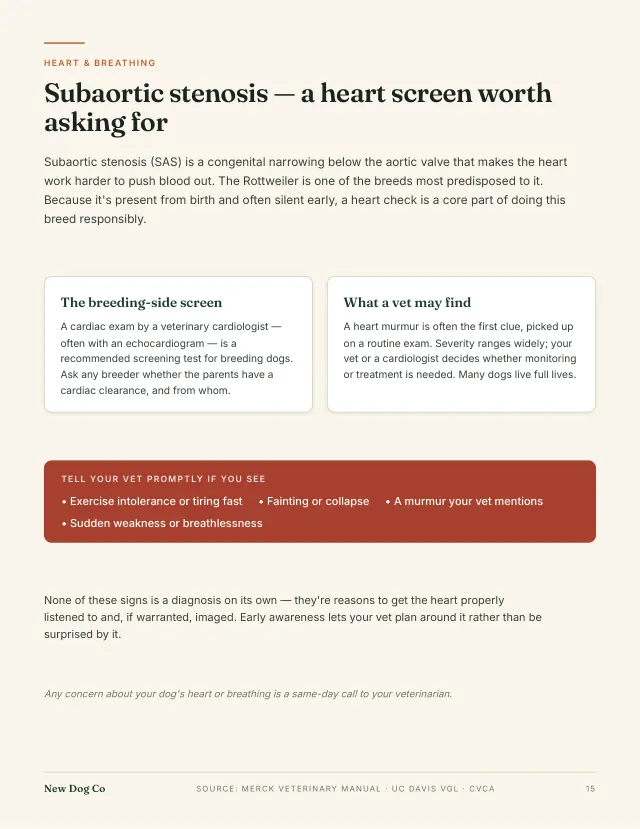
- Subaortic stenosis (SAS): an inherited heart condition seen in the breed. Ask your vet about listening for a murmur; a cardiology (ACVIM) referral may be advised.
- Cranial cruciate ligament rupture: a frequent cause of hind-limb lameness in Rottweilers that often needs surgical repair.
- Bloat (gastric dilatation-volvulus): like other large, deep-chested breeds, Rottweilers can develop this sudden, life-threatening emergency. Learn the warning signs — a swollen or hard belly, unproductive retching, drooling, and pacing or restlessness — and get to an emergency vet immediately if they appear. Ask your vet about feeding practices and whether a preventive gastropexy is right for your dog.
- Obesity: extra weight worsens joint disease and other risks. AAHA and AVMA guidance stress maintaining a lean body condition.
Keep up with your vet's recommended screenings, parasite prevention, and vaccinations, and buy from breeders who health-test. Lifelong lean weight and prompt vet visits for lameness are two of the most protective things you can do.
Training this breed
Rottweilers are intelligent, trainable, and eager to work with a person they trust, which is exactly why reward-based, force-free training is the right approach. Reward the behavior you want, manage the environment so mistakes are hard, and this breed will happily learn.
Skip any advice about dominance, alpha rolls, or prong and shock tools. With a dog this strong and this sensitive to its handler, harsh methods risk fear and defensive aggression and damage the trust the breed depends on. Confident, consistent, kind leadership builds a Rottweiler that looks to you rather than reacting on its own.
Prioritize early socialization and calm greeting skills, because a well-socialized Rottweiler that is relaxed around strangers and other dogs is safer and easier for life. Teach a reliable recall, loose-leash walking, and a solid settle. Keep sessions short, upbeat, and frequent, and enroll in a reward-based puppy or obedience class. Group classes add controlled social exposure while you build manners.
Living safely with a powerful guardian
Owning a Rottweiler comes with responsibilities that go beyond training. The breed's strength, size, and protective reputation mean management and good citizenship are part of the job every single day.
Set up your household for success. Teach calm, controlled greetings so guests are met without jumping or guarding, and give your dog a settle spot away from the door. Supervise all interactions between the dog and young children, and teach kids to respect the dog's space, food, and rest. A devoted family Rottweiler still needs sensible boundaries.
In public, use a well-fitted harness or collar and a secure leash, and read your dog around unfamiliar people and dogs. Look into local laws and liability insurance for the breed, since some homeowner and rental policies name it specifically. Reliable recall, a rock-solid settle, and clear awareness of your dog's reactions turn a powerful guardian into a good neighbor.