Can Dogs Eat Corn?
Plain kernels off the cob are a harmless little treat — but the cob itself is one of the most common summer blockage emergencies vets see.
On this page
Yes and no — and the distinction genuinely matters. Plain corn kernels off the cob are a harmless little treat for most dogs. A corn cob, on the other hand, is one of the most common blockage emergencies vets see, especially in summer. That split is why corn sits in the caution column. Our free Dog Toxic-Foods Checker puts it plainly: “Plain corn kernels are fine, but the cob is a classic intestinal blockage,” with the instruction to “never let a dog chew a cob; call your vet if one is swallowed.”
Below is why the cob is so dangerous, why plain kernels are fine, and exactly what to do if your dog gets hold of a cob.
The real danger: the cob
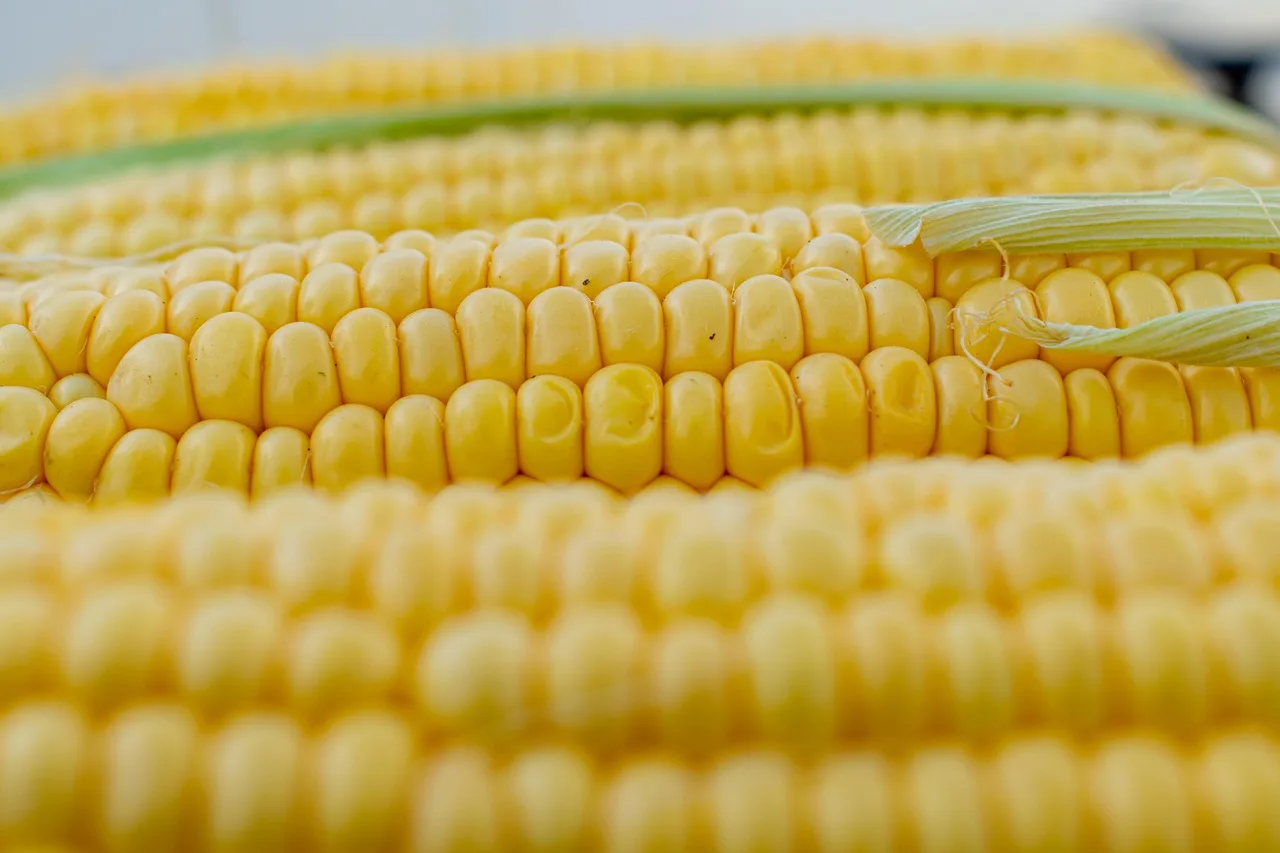
Let’s start with the part that lands dogs in surgery. A corn cob doesn’t break down in the stomach, so when a dog swallows one — or bites off a large chunk — it commonly lodges in the intestines and causes an obstruction. That’s a surgical emergency, and it’s one of the more frequent blockage cases in veterinary ER visits, with a clear summer spike around barbecues, picnics, and cookouts.
The cruel part is that dogs are drawn to cobs precisely because they taste of butter and corn, so a cob in the trash, on a plate left at dog height, or dropped by the grill is a genuine temptation. The rule is absolute: a dog never gets a cob to chew, and cobs go in a bin your dog can’t raid. If you’re at a cookout, that’s the number-one thing to watch.
Why plain kernels are fine
The kernels themselves are a completely different story. Plain corn — cooked or plain canned, taken off the cob — is safe for most dogs in small amounts, and corn is a common, perfectly digestible ingredient in many complete dog foods. So a spoonful of plain kernels mixed into food or offered as a treat is harmless for the average dog.
The kernels come with only mild cautions. Corn is filler — it’s calories without much a dog needs — so keep the portion small. And a small number of dogs have a corn sensitivity, so if your dog has diagnosed food allergies, check with your vet first. Otherwise, plain kernels are a low-stakes little extra.
How to serve corn, and what to skip
If you’re sharing, cut plain cooked kernels off the cob and give a small spoonful — a teaspoon for a small dog up to a spoonful for a large one, plain, inside the 10% treat budget. Keep it as bare as your dog’s food should be: no butter, no salt, no seasoning. And steer clear of the seasoned corn products entirely — buttered corn, creamed corn, corn dishes with onion or garlic (toxic), cornbread, corn chips, and salty popcorn are treats for people, not dogs. Our free Dog Feeding Calculator gives you the daily calorie number that keeps any treat honest.
What to do if your dog ate a cob
Call your vet immediately — this is the one scenario where waiting is the wrong move. A cob blockage can take a day or more to show clear symptoms, and early action gives the best outcome. Tell your vet your dog’s size and how much cob disappeared. Watch for repeated vomiting, loss of appetite, straining without producing stool, a painful or bloated belly, and lethargy — but don’t wait for those before you call. Don’t try to make your dog vomit a cob at home, and never assume it’ll pass on its own; cobs are infamous for not passing. Our Dog Toxic-Foods Checker lists the ASPCA Animal Poison Control and Pet Poison Helpline numbers for exactly these moments.
The bottom line on corn
Kernels: fine, plain, small, occasional. Cob: never, full stop — it’s a serious blockage risk and a genuine summer emergency. Keep the seasoned corn products to yourself, bin cobs securely, and if a cob does disappear, call your vet without waiting. For everyday treats, spend the 10% the feeding calculator gives you on something safer, and run anything new through the checker first.
Frequently asked questions
- Why is a corn cob so dangerous for dogs?
- The cob is the real hazard, and it's a mechanical one. A cob doesn't break down in the stomach, so a swallowed cob — or a large chunk of one — commonly lodges in the intestines and causes a blockage, which is a surgical emergency. It's one of the more frequent obstruction cases vets see, and it spikes in summer around barbecues and picnics. Dogs love gnawing cobs because they taste of butter and corn, which is exactly what makes them dangerous. Never give a dog a cob to chew, and bin cobs where they can't be fished out of the trash.
- Are plain corn kernels safe for dogs?
- Yes — plain corn kernels, cooked or plain canned and taken off the cob, are safe for most dogs in small amounts. Corn is a common, digestible ingredient in many complete dog foods, so kernels themselves aren't a problem. Give a small spoonful, plain, with no butter, salt, or seasoning. The only cautions are portion (it's filler, so keep it small) and the occasional dog with a corn sensitivity. If your dog has known food allergies, check with your vet, but for most dogs a little plain corn is a harmless extra.
- What should I do if my dog ate a corn cob?
- Call your vet right away — don't wait to see what happens. A cob can cause a blockage that takes a day or more to show symptoms, and acting early gives the best outcome. Tell the vet your dog's size and how much cob was eaten. Watch for vomiting (especially repeated), loss of appetite, straining without producing stool, a painful or bloated belly, and lethargy — but don't wait for these to appear before calling. Never try to induce vomiting at home with a cob, and never assume 'it'll pass'; cobs are notorious for not passing.
- Can dogs eat popcorn, cornbread, or corn chips?
- Those are all different foods with their own catches. Plain air-popped popcorn is okay in small amounts, but buttered and salted popcorn isn't, and unpopped kernels can choke — see our popcorn guide. Cornbread and corn chips are salty, often buttery or fried, and may contain onion or garlic, so they're best skipped. The safe version of corn for a dog is always the plain kernel off the cob; the processed, seasoned, or fried corn products are treats for people, not dogs.
Educational content only — not veterinary or professional behavior advice. Consult your vet, or a certified trainer or behaviorist, for your pet. Read the full disclaimer →