Can Dogs Eat Bananas?
A soft, sweet, potassium-rich treat most dogs adore — the only catch is the sugar, so a few slices go a long way.
On this page
Yes — dogs can eat bananas. A few slices of plain, peeled banana is a soft, sweet, cheap treat that most dogs are thrilled to take, and it is a reasonable swap for a processed biscuit. Our free Dog Toxic-Foods Checker lists banana as Safe with one honest asterisk: “A sweet, potassium-rich treat — but high in sugar, so keep it small.” That single line is the whole story. Peel it, keep the portion little, and banana is one of the easiest treats to share.
Everything below is the detail — why the sugar matters more than the potassium the internet loves to mention, how much is reasonable, and the couple of banana products that turn a safe fruit into a bad idea.
Why banana is a fine treat for most dogs
Banana flesh is soft, low in fat, and carries fibre, potassium, and vitamins B6 and C. Those are real nutrients, but keep them in perspective: your dog already gets everything they need from a complete, balanced dog food, so the value of banana isn’t nutritional — it’s that it’s a treat dogs genuinely like, cheap, and easy to portion small. The softness is a practical bonus. You can smear or mash it, which makes it perfect for hiding a pill, stuffing a toy, or freezing into something that lasts.
The AKC lists banana among the fruits dogs can safely eat, and there’s nothing exotic to worry about in the flesh itself. The catch is sugar, which is the next section, because it’s the reason banana is a small treat rather than a free one.
The catch: banana is high in sugar
A medium banana carries roughly 14 grams of sugar — a lot more than most of the fruits and vegetables dogs are offered as treats. For a healthy dog eating a couple of slices, that is a non-issue. But it is exactly why banana should stay a small, occasional treat rather than a handful your dog gets every afternoon. Regular sugary treats add calories a dog doesn’t need, and veterinary body-condition surveys from the AVMA consistently find a large share of dogs are already overweight.
Veterinary nutrition guidance, echoed by AAHA, is consistent: treats of any kind should stay within about 10% of a dog’s daily calories, with balanced food making up the rest. Banana fits comfortably inside that budget when the portion is a few slices — and blows past it fast if it becomes half a banana every day. If you don’t know your dog’s daily number, our free Dog Feeding Calculator gives it to you from weight and activity, and the 10% treat budget turns into simple math.
If your dog has diabetes or is on a vet-directed weight-loss plan, ask your vet before adding fruit at all — banana’s sugar is precisely the thing those plans are managing.
How much banana, and how to serve it
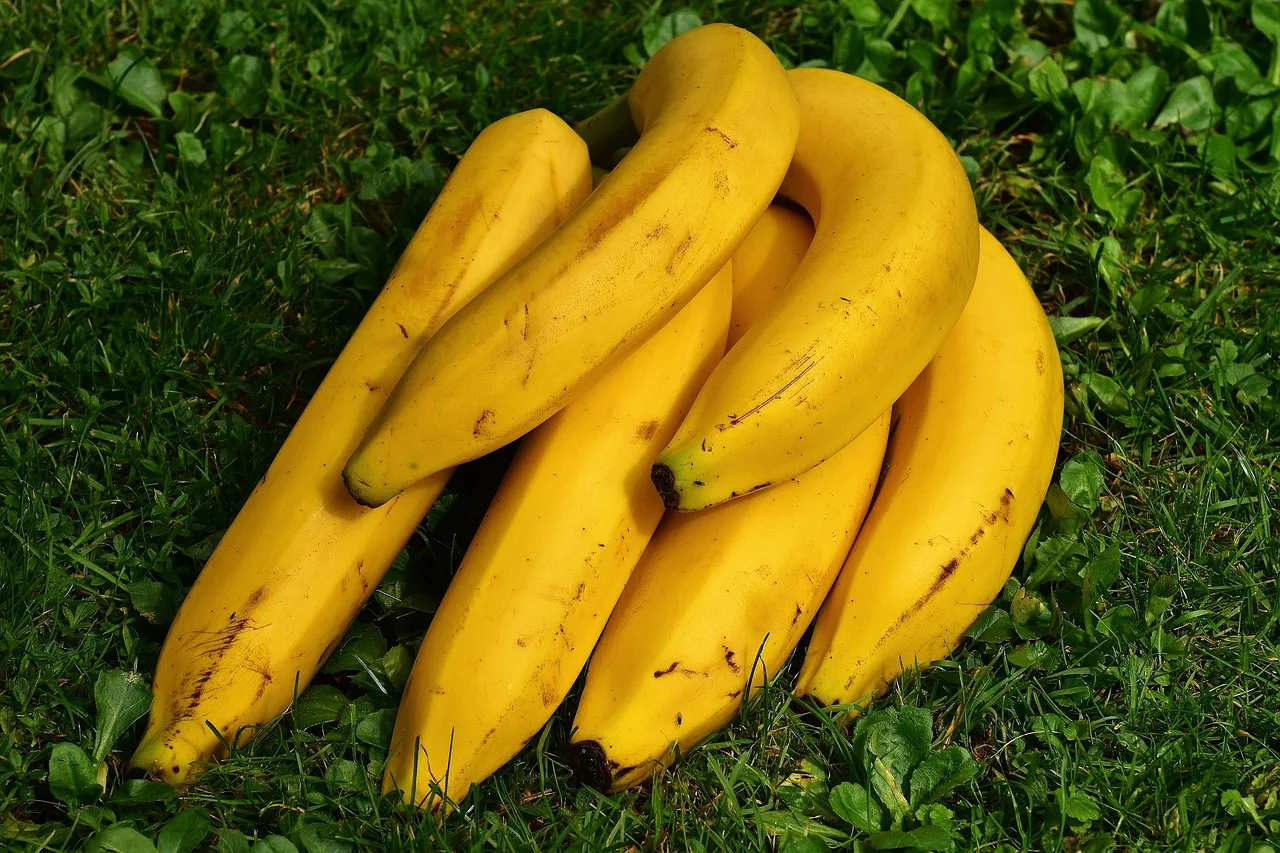
Peel the banana and slice a few thin coins, cut down to small cubes for a small dog so nothing gets bolted whole. As a rough guide: a couple of thin coins for a small dog, a few slices for a large one, always inside that 10% budget and not every day.
Banana’s real trick is texture. Mash a little onto a lick mat, or freeze mashed banana with a smear of xylitol-free peanut butter inside a stuffable toy for a cool, slow, summer-friendly treat that outlasts a biscuit by a mile. Frozen banana coins on their own are a fine hot-weather option too. Because banana is soft and sweet, it’s also one of the best foods for hiding a pill a fussy dog keeps spitting out.
Introduce it the way you would any new food: start with a slice, and watch how your dog’s digestion handles it over the next day. The fibre can loosen stools in a dog who isn’t used to it — the most common “my dog ate banana and now…” story vets hear — and the fix is simply a smaller portion.
The banana products to skip
Plain is the operative word, and this is where a safe fruit goes wrong. Banana bread is a dessert: it’s loaded with sugar and fat, and many recipes contain raisins (toxic to dogs) or are sweetened with xylitol, which is severely toxic even in tiny amounts. Banana chips are usually fried or sweetened. “Sugar-free” anything is a red flag — check the label for xylitol, sometimes listed as birch sugar, which sits firmly in the toxic column of our checker.
The rule is the same one that keeps most human foods safe for dogs: feed the plain ingredient you prepared yourself, not the sweetened, baked, or processed version. Fresh banana you peeled and sliced is the safe one.
When to skip banana or ask your vet first
Beyond diabetes and weight plans, a couple of situations deserve a pause. Dogs with chronic digestive issues can react to even good fibre, so check with your vet before adding fruit. And if your dog swallowed something you’re unsure about — a whole peel, or banana baked into a mystery product — our Dog Toxic-Foods Checker lists dozens of verified verdicts plus the ASPCA Animal Poison Control and Pet Poison Helpline numbers, which take calls around the clock.
A soft treat that earns its place
Here’s the quiet upside: because banana mashes and freezes so well, it’s one of the most useful treats in the fridge — pill pocket, lick-mat base, frozen-toy filler, and easy training reward all in one. Keep the pieces small, count them toward the 10% the feeding calculator gives you, run any new food through the checker first, and banana stays exactly what it should be: a small, sweet, welcome extra.
Frequently asked questions
- How much banana can I give my dog?
- Keep banana — and all treats combined — within about 10% of your dog's daily calories, the standard veterinary treat guideline; balanced dog food supplies the other 90%. In practice that means a couple of thin coins for a small dog and a few slices for a large one, and not every day. Banana is higher in sugar than most fruit dogs are offered, so it earns a smaller portion than something like cucumber or green beans. If you don't know your dog's daily calorie number, our free feeding calculator works it out from weight and activity, which makes the 10% budget concrete.
- Can dogs eat banana peel?
- Banana peel is not toxic, but I would leave it off. The peel is very high in fibre and tough to digest, so a dog who eats a whole peel can end up with an upset stomach, and a bolted piece is a possible choking or blockage risk in a small dog. There is also no benefit to feeding it. If your dog snatched a peel off the counter, it is usually not an emergency — watch for vomiting, straining, or a painful belly over the next day and call your vet if any of that shows up. For a planned treat, peel it and feed only the soft flesh.
- Is banana good for a dog's upset stomach?
- A small amount of plain banana is gentle and sometimes sits on a bland-diet plan, but it is not the go-to fix. For a genuinely upset stomach, plain cooked rice with a little plain chicken is the more common vet-suggested bland meal, and banana is more of an extra than a treatment. More importantly, banana's fibre can loosen stools in a dog who isn't used to it, so a big serving can make a runny-tummy problem worse rather than better. If your dog has ongoing diarrhoea, vomiting, or won't eat, that is a vet call, not a banana.
- Can puppies eat bananas?
- A tiny piece of plain banana is fine for most healthy puppies as an occasional treat, and the softness makes it easy to break into pea-sized training rewards. Two cautions. First, a puppy's treat budget is tiny — their calories should come almost entirely from a complete puppy food built for growth, so treats matter even less to their diet and even more to their waistline. Second, introduce any new food in a small amount and watch for loose stools, since puppy digestion is easily thrown off. When in doubt about a young or tiny puppy, ask your vet at the next visit.
Educational content only — not veterinary or professional behavior advice. Consult your vet, or a certified trainer or behaviorist, for your pet. Read the full disclaimer →