Can Dogs Eat Spicy Food?
Hot chili isn't a dog treat, but it isn't a classic poison either: it's an irritant. The bigger worry often comes in the same spoonful: onion, garlic and salt. What to do if your dog ate something spicy.
On this page
Better not: hot chili isn’t a dog treat. But if your dog already ate some, breathe, because it’s an irritant rather than a classic poison. The free Dog Toxic-Foods Checker lists chili peppers & spicy food under Caution: “Hot chili is an irritant, not a classic poison: Merck says capsaicin irritates the gut, causing vomiting and diarrhea, and is not likely to be lethal. The AKC says never to give spicy peppers, and hot sauces often add onion, garlic and salt.”
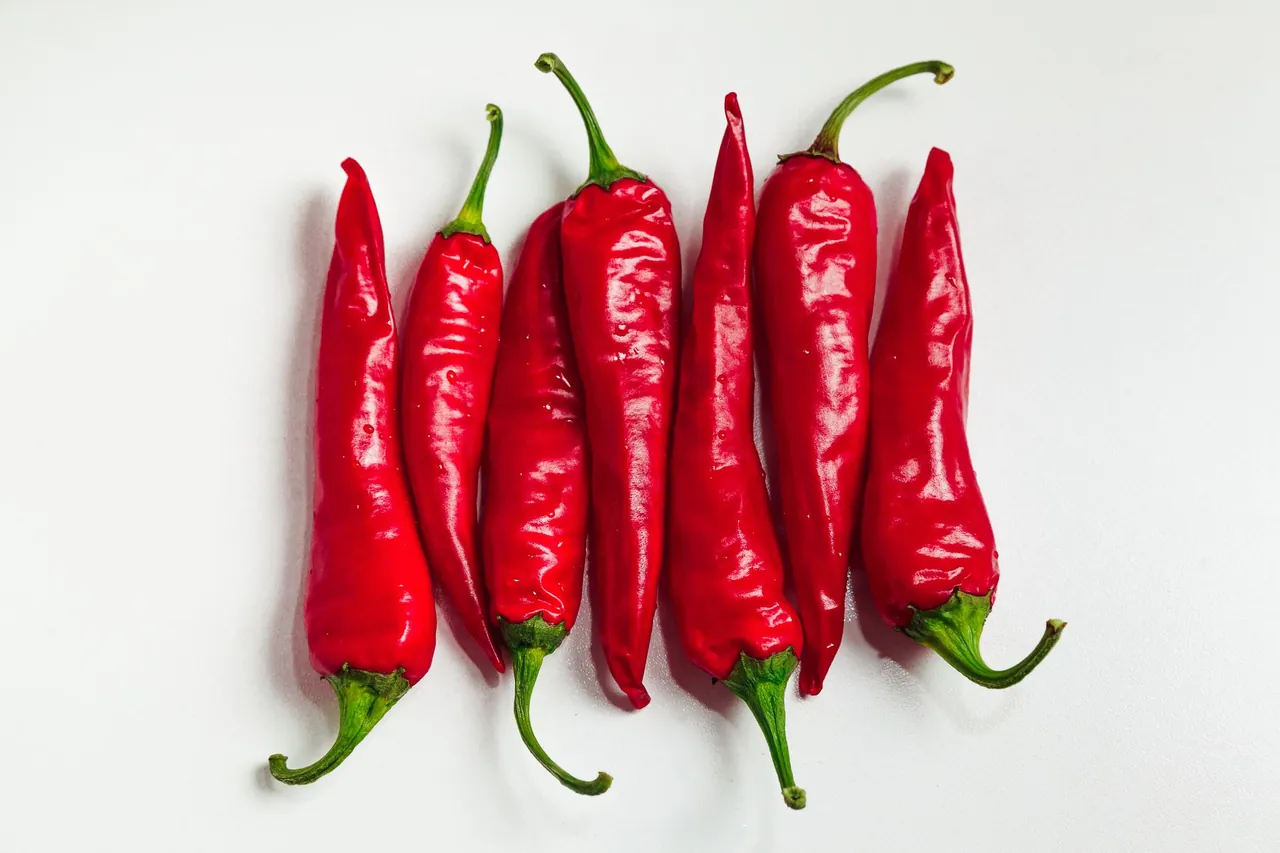
Ají: hot or sweet?
In many countries chili is called ají: the Diccionario de americanismos (ASALE) records the word in Cuba, the Dominican Republic, Puerto Rico and much of South America, and notes that the fruit can have a “sabor dulce o picante,” a sweet or spicy taste. So not every ají is hot. If yours is sweet ají or a bell pepper, the bell pepper guide is the one you want. This one is about the hot kind.
What chili does to a dog
The Merck Veterinary Manual lists chili pepper (Capsicum annuum) among irritating plants: the capsaicinoids, such as capsaicin, are in the mature fruit and are “irritating to the GI tract, with vomiting and diarrhea.” Its conclusion: “Not likely to be lethal.” It’s the only source with that line, and it describes that plant group as causing “only mild to moderate gastrointestinal upset.”
The sources don’t say it the same way:
- The AKC, in its bell pepper guide: “you should never give your dog the spicy pepper varieties, such as jalapeños or chili peppers.”
- The same AKC, on cayenne as a repellent: it “may not be harmful to your puppy if swallowed,” but it “may cause irritation to his eyes.”
- Merck: an irritant, not likely to be lethal.
Together they say the same thing: an irritant, not a classic poison. And since no safe amount has been published, there’s no reason to share it.
Salsas, moles and chili powder
Chili rarely arrives alone:
- Salsas and moles: many recipes contain onion and garlic. The ASPCA says “Allium species can cause gastrointestinal irritation and red blood cell damage,” Merck notes that garlic is 3–5 times more toxic than onion, and the AKC says “don’t feed your dog peppers that have been mixed with onions or garlic” (mole, onions and garlic).
- Bottled hot sauces: salt. The ASPCA lists vomiting, diarrhea, depression, tremors, seizures and even death among the signs of salt toxicity.
- Chili powder: check the label in case the blend includes garlic or onion powder.
What to do if your dog ate something spicy
Note what your dog ate, how much, and whether the sauce or dish had onion or garlic. Skip home remedies: Merck describes a treatment, but it’s for your vet to decide on, not something to try at home.
When to call the vet
- If the sauce or dish had onion or garlic, even if your dog seems fine. Merck notes that hemolysis, the breakdown of red blood cells, “typically occurs 3–5 days after exposure.”
- If vomiting or diarrhea doesn’t stop.
If your vet is unavailable, ASPCA Animal Poison Control at (888) 426-4435 and Pet Poison Helpline at (855) 764-7661 can advise (a fee may apply). Keep the free Pet Poison Emergency Card handy, and look up anything else in the checker.
Frequently asked questions
- Are chili peppers toxic to dogs?
- Not in the sense of a classic poison. The Merck Veterinary Manual says the capsaicin in chili irritates the gut, with vomiting and diarrhea, and is not likely to be lethal; it's the only source with that line. Even so, the AKC says never to give spicy peppers, and no safe amount has been published.
- My dog ate hot sauce. What should I do?
- Check the ingredients. If the sauce had onion or garlic, call your vet even if your dog seems fine, because Merck notes the red-blood-cell damage typically shows up 3 to 5 days later. If not, watch for vomiting and diarrhea and call if they don't stop. Skip home remedies.
- Can dogs eat sweet ají or bell peppers?
- Ají isn't always hot: the Diccionario de americanismos says the fruit can taste sweet or spicy. For sweet bell peppers, see their own guide. And the AKC asks owners not to feed dogs peppers that have been mixed with onions or garlic.
- What about chili powder or cayenne?
- In an article on cayenne as a repellent, the AKC says it may not be harmful to a puppy if swallowed but may irritate the eyes. There's still no reason to give it. If your dog ate a seasoning powder, check the label in case the blend includes garlic or onion powder.
Educational content only — not veterinary or professional behavior advice. Consult your vet, or a certified trainer or behaviorist, for your pet. Read the full disclaimer →