Can Dogs Eat Pork Rinds?
Chicharrón packs three risks into one bite: fat that can trigger pancreatitis, salt and seasonings, and, in the rib kind, a cooked bone that splinters. It isn't a poison, so a stolen piece calls for a calm plan.
On this page
No, chicharrón and pork rinds aren’t for dogs. The free Dog Toxic-Foods Checker lists chicharrón / pork rinds under Caution, with the poison-line numbers shown: “Fried pork skin or belly: very fatty and salty, often seasoned with garlic or onion powder, and the AKC warns a large amount of pork can cause pancreatitis, which can be fatal. Chicharrón with rib or bone adds cooked bone, which splinters.”
It isn’t a poison, though. No source I checked names chicharrón, so this answer comes from its parts: fat, salt, seasoning and sometimes bone. If your dog just stole a piece, there’s a calm plan below.
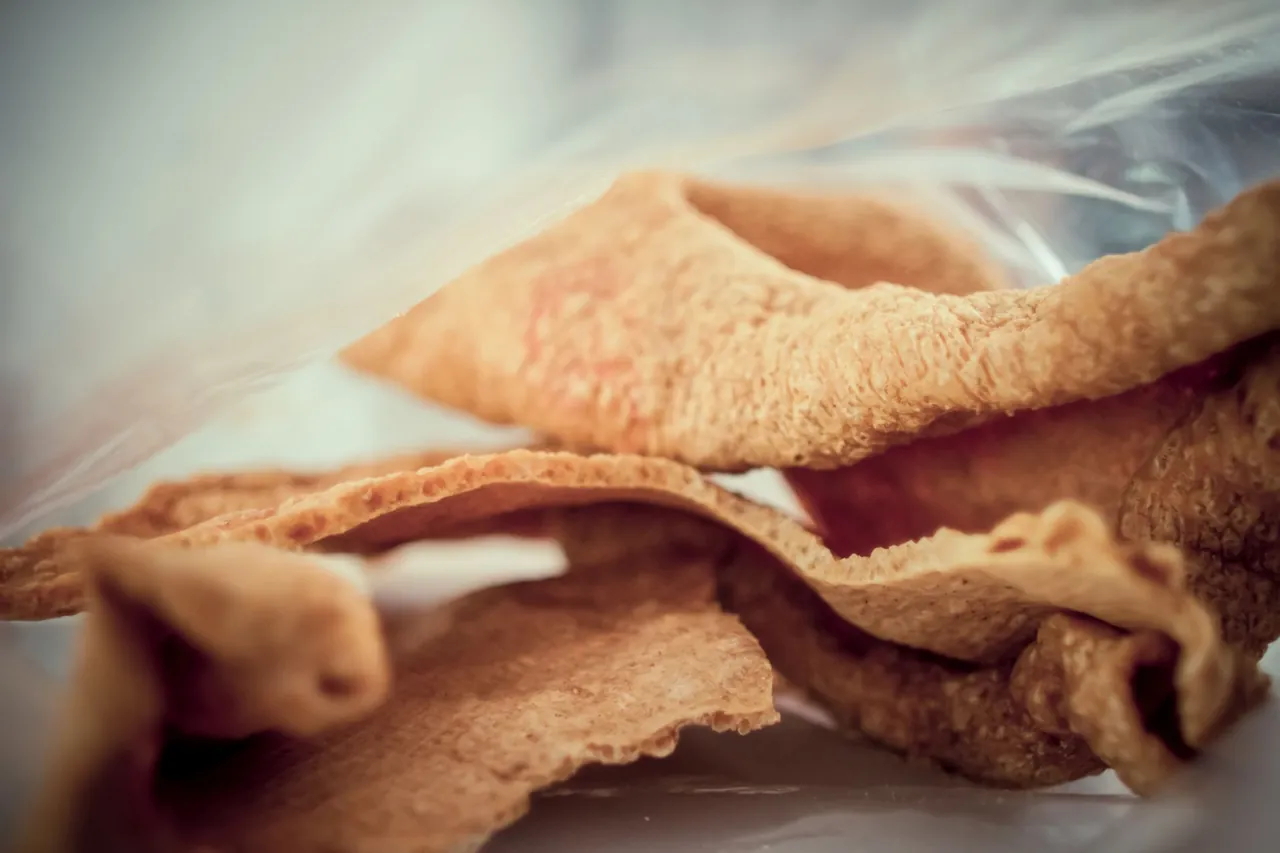
Fat and pancreatitis
The AKC says “pork is also rich with a type of fat that is difficult for dogs to digest” and that “eating a large amount can cause pancreatitis, which can be fatal.” VCA explains that pancreatitis “may be triggered in some cases by a fatty meal,” and the Merck Veterinary Manual names “eating trash, large amounts of table scraps, or other inappropriate food” as a common risk factor in dogs. The FDA is direct: “Don’t give your pet table scraps that are high in fat,” because of the risk of a painful and potentially life-threatening pancreatitis. Pet Poison Helpline adds that “leftover BBQ bits (like bones, gristle, and fat)” should never be given to your dog. The pancreatitis guide covers the signs and the low-fat diet.
Salt and seasonings
Like bacon, which the AKC calls “an incredibly rich and fatty food with a high salt content,” chicharrón made from pork belly is fat and salt. The ASPCA lists vomiting, diarrhea, depression, tremors, seizures and even death among the signs of salt toxicity. And the AKC names onion powder, nutmeg and garlic powder among the seasonings that are toxic to dogs. The ham guide covers another festive pork.
Chicharrón with rib or bone
Here a second risk comes in. The AKC says “pork bones, whether raw or cooked, are likely to splinter and crack when your dog chews on them,” and in its rib guide: “Cooked bones splinter into shards.” Its general advice is that “you should never give your dog cooked bones of any kind” (cooked bones). The FDA adds that “sharp pieces of bones can also injure your dog’s mouth, esophagus, and stomach.”
If your dog ate chicharrón: when to call the vet
- If your dog swallowed bone, call your vet. The AKC lists “vomiting, excessive drooling, abnormal bowel movements, and lack of appetite” as symptoms of an intestinal blockage: “If you observe any of these symptoms, take your dog to the vet right away.” The FDA warns that if a bone lodges in the stomach or intestines, “the symptoms might not be immediate,” so keep watching over the next hours and days.
- If your dog ate only the chicharrón, watch for vomiting, belly pain or lethargy. VCA lists nausea, vomiting, fever, lethargy, abdominal pain, diarrhea and decreased appetite as the most common signs of pancreatitis; if they appear, call your vet.
If your vet’s office is closed, ASPCA Animal Poison Control at (888) 426-4435 and Pet Poison Helpline at (855) 764-7661 can advise (a fee may apply). The free vet visit prep sheet helps you log the signs and when they started.
What to share instead
The ASPCA says “small amounts of lean cooked chicken, turkey, beef or pork that are free of bones and seasoning are also okay.” That’s the swap: a small piece of lean cooked pork with no fat, bone or salt, or a little plain chicken.
Frequently asked questions
- Is one piece of chicharrón bad for a dog?
- It isn't a treat worth sharing, but it isn't a poison either. The AKC's pancreatitis warning is about eating a large amount of pork. If it was a small piece with no bone, watch for vomiting, belly pain or lethargy, and call your vet if any appear.
- My dog ate chicharrón de costilla with the bone. What should I do?
- Call your vet. The AKC says pork bones, whether raw or cooked, are likely to splinter and crack when a dog chews them, and it lists vomiting, excessive drooling, abnormal bowel movements and lack of appetite as symptoms of an intestinal blockage. If you see any of them, take your dog to the vet right away. The FDA warns the symptoms might not be immediate.
- Are bagged pork rinds a problem too?
- No source I checked names them, but they're the same food: fried pork skin, with fat and salt. If they're seasoned, check the label, because the AKC names garlic powder and onion powder among the seasonings that are toxic to dogs. Better not to share them.
- What pork can I give my dog?
- The ASPCA says small amounts of lean cooked chicken, turkey, beef or pork that are free of bones and seasoning are okay. A small piece of lean cooked pork, with no fat, bone or salt, is the safe swap.
Educational content only — not veterinary or professional behavior advice. Consult your vet, or a certified trainer or behaviorist, for your pet. Read the full disclaimer →