Dog Breathing Fast While Sleeping: When to Worry
A sleeping dog should breathe 15 to 30 times a minute. How to count it properly, what a high count can mean, why vets ask heart patients to track it, and which breathing signs can’t wait.
On this page
A sleeping dog normally breathes 15 to 30 times a minute, according to VCA Animal Hospitals, and the Merck Veterinary Manual puts a normal sleeping rate under 30. If your dog’s count, taken while it is truly asleep, keeps coming in above 30, call your vet as soon as possible; in a dog with heart disease, a rising sleeping rate can be a sign of fluid in the lungs. Here is how to count it properly, what a high number can mean, and which signs can’t wait.
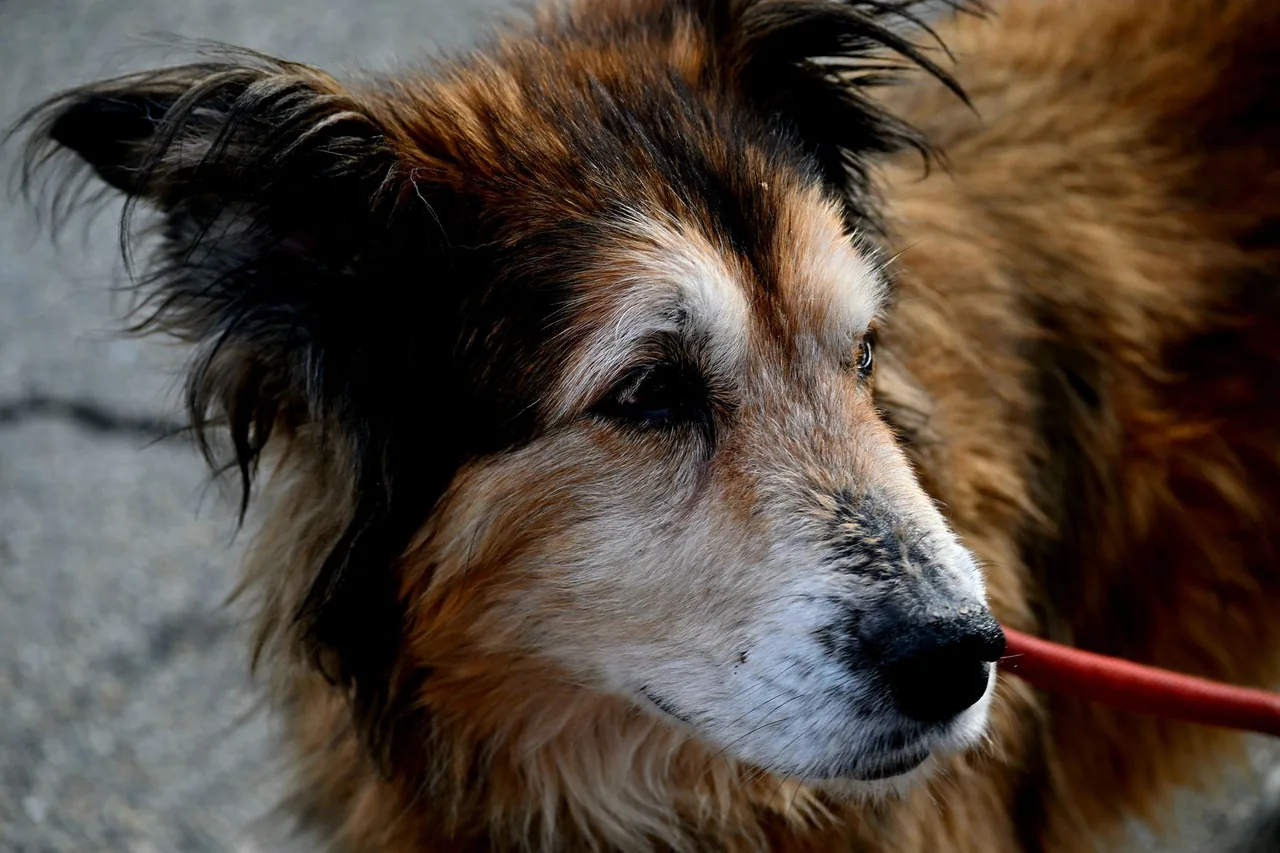
How to count your dog’s breathing
The count only means something if your dog is properly asleep. The Merck Veterinary Manual advises counting while the dog is sound asleep and in a cool environment, and VCA recommends waiting until your dog is sleeping rather than just resting after activity.
- Count one breath each time the chest rises and falls once (VCA).
- Time 30 seconds on your watch or phone.
- Double it to get breaths per minute.
- Write it down, with the date and time.
To learn what is normal for your dog, VCA suggests counting once a day for a week. The free resting breathing rate log has a table for each count and a box for the limit your vet sets.
What the number means
- 15 to 30 a minute: normal for a sleeping dog, VCA says, including many dogs with heart disease that is well controlled.
- Consistently over 30: increased. Merck describes a sleeping rate above 30 as abnormally high. Count again later; if it stays high, contact your vet as soon as possible.
- Your vet’s number: VCA notes that for some dogs, a rate below 30 can already be too high, so your vet may give you a lower limit. Use that one.
A single high count isn’t a diagnosis. A pattern of high counts, taken while your dog is sound asleep in a cool room, is what to act on.
Why vets ask heart patients to count
In a dog with heart disease, a raised sleeping rate can point to fluid in the lungs; the Merck Veterinary Manual uses it to help diagnose that. That is why Merck describes teaching owners to count the sleeping rate at home, daily to weekly depending on the dog, and to keep a log and bring it to every recheck. VCA’s guidance matches: dogs with heart failure on medication are usually counted at least once a day, and dogs with heart disease but no signs as often as the vet decides, often once or twice a week.
If your dog has a heart murmur or heart disease, ask your vet whether you should be counting, how often, and at what number to call.
Emergency signs
Cornell’s Riney Canine Health Center lists the signs of respiratory distress that need an emergency vet:
- rapid breathing, often with an open mouth;
- a bluish tinge to the gums and muzzle;
- the belly working hard with each breath;
- the head and neck stretched out to get more air;
- noisy breathing, such as wheezing, snorting or whistling;
- weakness or collapse.
If you see these, take your dog to the nearest emergency animal hospital, and call ahead if you can. Normal breathing at rest, for reference, is 12 to 30 breaths a minute (Cornell).
For an older dog, the caring for a senior dog guide covers the other changes worth watching, and the free vet visit prep log helps you bring dated notes to the appointment.
Frequently asked questions
- How many breaths per minute is normal for a sleeping dog?
- Between 15 and 30, according to VCA Animal Hospitals, and that also holds for many dogs with heart disease that is well controlled. The Merck Veterinary Manual puts a normal sleeping rate under 30 breaths a minute.
- Is it normal for my dog to breathe fast while sleeping?
- Only if the count stays within 15 to 30 a minute. VCA calls a resting or sleeping rate that is consistently above 30 increased, and advises contacting your vet as soon as possible. A single high count is a reason to count again later, not to panic.
- Why does my vet want me to count my dog’s breathing at home?
- For dogs with heart disease, the sleeping breathing rate is a simple way to watch for changes at home. The Merck Veterinary Manual describes owners counting it while the dog is sound asleep, daily to weekly depending on the dog, and bringing the log to each recheck.
- How often should I count?
- To learn your dog’s normal, VCA suggests once a day for a week. Dogs with heart failure on medication are usually counted at least once a day, and dogs with heart disease but no signs as often as your vet decides, often once or twice a week.
- When is fast breathing an emergency?
- When it comes with open-mouth breathing, blue-tinged gums, the belly working hard to breathe, the head and neck stretched out, noisy breathing, weakness or collapse. Cornell’s Riney Canine Health Center advises going to the nearest emergency animal hospital and calling ahead if you can.
Educational content only — not veterinary or professional behavior advice. Consult your vet, or a certified trainer or behaviorist, for your pet. Read the full disclaimer →