Dog Dementia (CCD): Signs and What Helps
A senior dog who paces at night, gets stuck behind furniture or forgets house training may have canine cognitive dysfunction. The DISHAA signs, the conditions your vet will rule out first, and what slows it down.
On this page
Dog dementia, properly called canine cognitive dysfunction (CCD), shows up as a senior dog who gets disoriented, changes how it interacts with the family, sleeps in the day and paces at night, forgets house training, wanders or stares, and becomes more anxious. Vets screen for it with the DISHAA checklist, which is referenced in the 2023 AAHA Senior Care Guidelines. CCD can’t be cured, but early action with routine, enrichment, diet and, when your vet agrees, medication can slow it and protect quality of life.
The hardest part is noticing it at all. The changes creep in slowly, and they’re easy to put down to “just getting old.”
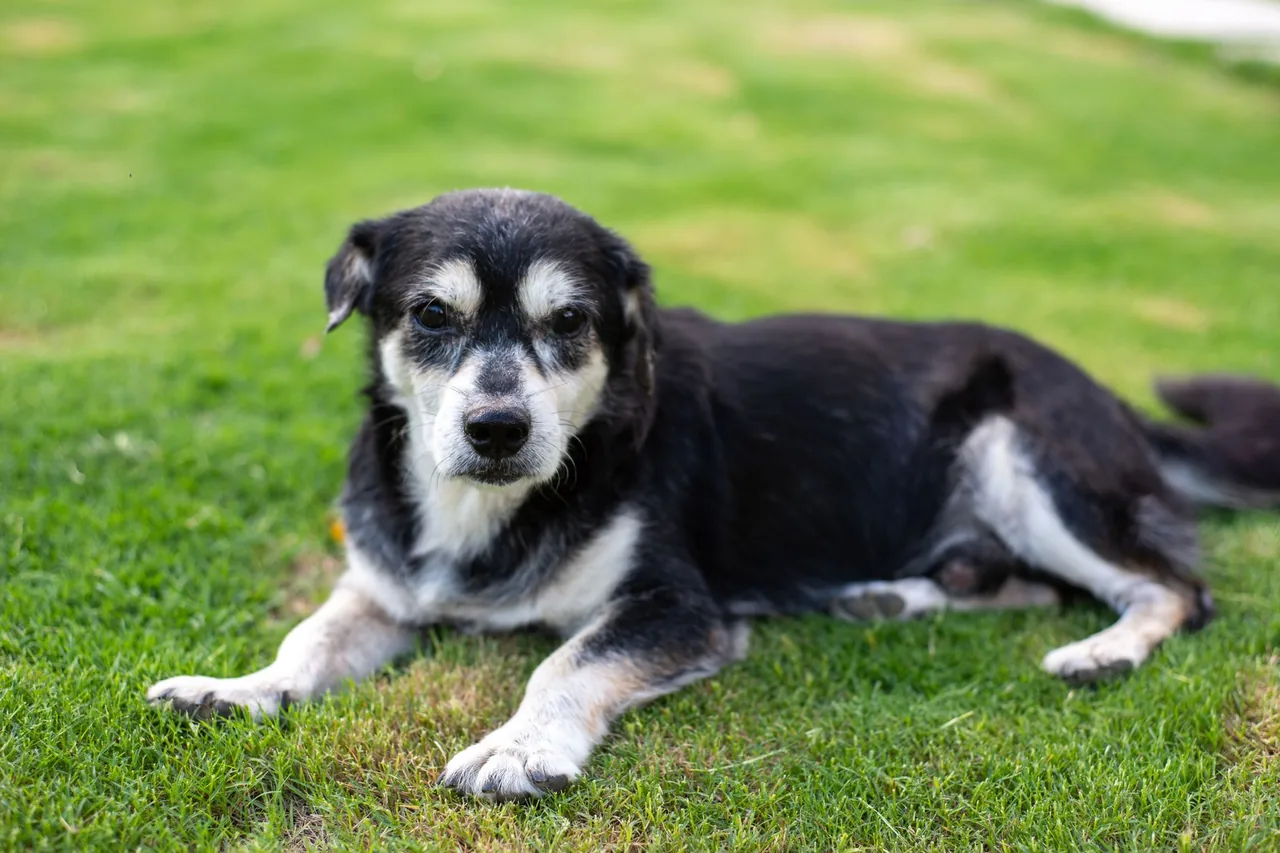
What CCD is
The Merck Veterinary Manual and Cornell’s Riney Canine Health Center describe CCD as a neurodegenerative disease similar to Alzheimer’s disease in people, linked to age-related brain changes including the build-up of beta-amyloid. It’s progressive, and the realistic goal, as Cornell puts it, is to slow it down and give your dog more good-quality time.
How common it is
More common than most people expect. A widely cited study (Neilson et al., 2001) found about 28% of dogs aged 11–12 showed at least one sign of cognitive decline, rising to about 68% of dogs aged 15–16. Yet another study (Salvin et al., 2010) found only about 2% of affected dogs had been formally diagnosed. If your senior dog seems “off,” it’s worth asking your vet about.
The signs: DISHAA
The DISHAA framework, developed by veterinary behaviorist Dr. Gary Landsberg, groups the signs into six areas:
- D, Disorientation: getting stuck in corners or behind furniture, waiting at the hinge side of a door, seeming lost in the yard or the house, not recognizing familiar people or pets.
- I, altered Interactions: less greeting or affection-seeking, or new irritability with people or other pets.
- S, Sleep–wake changes: sleeping more in the day and restless, pacing or vocalizing at night. Cornell notes this is often the first sign.
- H, House-soiling: accidents indoors from a previously house-trained dog, or no longer asking to go out. It’s a symptom, not spite.
- A, Activity changes: less purposeful play and exploring, and more aimless pacing, circling, wandering or staring at walls.
- A, Anxiety: new or increased restlessness, clinginess, fear or distress when left alone.
The free senior dog wellness tracker and vet visit prep log help you write these down with dates, which is exactly what your vet needs.
What your vet will rule out first
There’s no single test for CCD in a living dog. It’s a diagnosis of exclusion: your vet looks for the DISHAA pattern and rules out conditions that look like dementia but are treatable. According to Cornell, Merck and the AAHA guidelines, these include:
- Pain, especially arthritis. A sore senior dog may pace, struggle to settle and be irritable.
- Urinary tract infection or kidney disease, which can cause accidents and drinking changes.
- Diabetes, thyroid problems and Cushing’s disease.
- High blood pressure.
- Vision and hearing loss, which can make a dog seem to ignore you or startle easily.
- Brain tumors and other neurological disease.
Expect a physical and neurological exam plus blood and urine tests. Questionnaires such as DISHAA and the CADES scale help your vet measure severity and track changes over time.
What helps
The veterinary literature is consistent: combine several approaches, and start as early as possible.
Routine and enrichment. A predictable daily routine reduces anxiety, and regular mental stimulation helps maintain cognitive function, according to Today’s Veterinary Practice and AAHA. In long-term studies of aging dogs, a combination of an enriched diet and behavioral enrichment worked better than either alone. Short sniff walks, food puzzles and scent games are gentle ways to do it. The dog enrichment guide has more ideas.
A safer home. Night-lights, gates on stairs, clear paths, and food, water and bed kept in the same places, because a disoriented dog navigates by memory (Cornell). Add extra potty trips.
Diet. Some veterinary therapeutic diets are enriched with antioxidants and omega-3 fatty acids, and others with medium-chain triglycerides, which give the aging brain an alternative fuel; studies of both have shown cognitive benefits in older dogs. Ask your vet whether one suits your dog.
Supplements. Several cognitive-support supplements have shown benefits in studies, including formulas with phosphatidylserine, SAMe, and multi-ingredient antioxidant blends. Discuss any supplement with your vet before starting.
Medication. Selegiline (Anipryl) is the only drug FDA-approved for canine cognitive dysfunction. Trials showed improvements in sleep, house training and activity, typically after 4–12 weeks. It must not be combined with certain other drugs, including some antidepressants and opioids, so your vet manages it. Vets may also consider medication for anxiety or night-time restlessness.
Night-time restlessness
Being up and pacing at night is the sign that wears families out most. What helps: more activity and enrichment during the day, a calm, predictable bedtime routine, a night-light, a comfortable bed near the family, and a conversation with your vet about sleep and anxiety support.
Never punish accidents
House-soiling in a dog with CCD is a neurological symptom, not disobedience, and punishment only adds anxiety (Merck; Cornell). Add potty breaks, use washable bedding, and ask your vet to rule out urinary problems.
Looking after yourself, and quality of life
Caring for a dog with dementia is exhausting, especially with broken sleep. It’s normal to feel grief and guilt along the way. Quality-of-life decisions belong in an honest conversation with your vet; the senior dog quality of life guide explains the tools vets use for that conversation.
Frequently asked questions
- What are the first signs of dementia in dogs?
- Changes in the sleep–wake cycle are often the first sign, according to Cornell’s Riney Canine Health Center: sleeping more in the day and being up and restless at night. Other early signs include getting stuck in corners, house-training lapses and changes in how your dog interacts with the family.
- How common is dementia in dogs?
- It becomes more common with age. A widely cited study found about 28% of dogs aged 11–12 showed at least one sign of cognitive decline, rising to about 68% at 15–16. Another study found only about 2% of affected dogs had a formal diagnosis, largely because the signs get put down to old age.
- Is there a test for dog dementia?
- There’s no single test in a living dog. Vets diagnose it by recognizing the DISHAA pattern and ruling out other conditions that look similar, such as pain, urinary infection, kidney or hormone disease, vision or hearing loss and brain disease. Questionnaires like DISHAA and the CADES scale help track it over time.
- What medication helps dogs with dementia?
- Selegiline (Anipryl) is the only drug FDA-approved for canine cognitive dysfunction; trials showed improvements in sleep, house training and activity, usually after a few weeks. It can’t be combined with some other medications, so your vet decides whether it’s appropriate.
Educational content only — not veterinary or professional behavior advice. Consult your vet, or a certified trainer or behaviorist, for your pet. Read the full disclaimer →