Dog Scared of Fireworks? A New Year's Eve Plan That Starts Now
If your dog shakes, hides or bolts when the fireworks start, New Year's Eve can be the worst night of the year. Here is the plan: gradual sound training in the weeks ahead, a safe den and a vet visit, then a calm, escape-proof night.
On this page
If your dog is scared of fireworks, New Year’s Eve can be the hardest night of the year, but you have more control over it than it feels like. The plan has three parts. In the weeks ahead, start gradual sound training and, if the fear is moderate or severe, see your vet. A few days out, build a safe den. On the night, walk early, keep the doors and the yard secure, run steady background sound, stay calm, and let your dog hide. I’ll walk through each step below, plus what not to do and when medication belongs in the picture.
Why fireworks frighten so many dogs
Noise fear is one of the most common problems dogs live with. A 2023 review of the research in the journal Animals estimates that between a quarter and half of pet dogs are affected by noise fears, and calls it the most prevalent behavior problem in dogs. Most affected dogs show signs in their first or second year, and the fear often grows with age when nothing is done about it.
Fireworks are close to a worst case for a dog. The bang is loud, sudden and impossible to predict, and it arrives with flashes, vibration and the smell of smoke. There is no pattern to learn from, so the dog never gets the chance to discover that the noise is harmless.
The signs run from subtle to severe. Early stress looks like lip-licking, yawning, panting when it isn’t warm, and pacing. Moderate fear looks like trembling, hiding, drooling and refusing treats. Severe fear shows up as frantic escape attempts, destructive panic, loss of bladder or bowel control, or self-injury. The free body-language decoder can help you put names to what you see, and any severe sign is a reason to call your vet well before the holiday.
Weeks ahead: start sound desensitization now
The long-term fix is gradual. VCA Animal Hospitals describes the standard method as systematic desensitization and counter-conditioning. In plain terms: play the scary sound so quietly that your dog stays relaxed, pair it with something wonderful, and raise the intensity only in small steps. VCA also recommends starting at a time of year when fireworks and storms are unlikely, so a real bang does not undo the work. Late September through November is that window for New Year’s Eve.
Here is how a session looks in practice:
- Teach a settle first. Reward your dog for lying down and relaxing on a mat or bed until the mat itself predicts calm.
- Find the starting volume. Play a fireworks recording at a level your dog barely notices. If your dog stops eating, stares toward the speaker or starts to pant, it is too loud.
- Pair the sound with the good stuff. Feed small, high-value treats the whole time the sound plays, and stop the treats when it stops.
- Keep it short. A few minutes is plenty, and you should end while your dog is still relaxed and happy.
- Go up slowly. Raise the volume a notch only after several calm sessions in a row. A bad session means you go back a step, not push through.
If this approach is new to you, my guide on how counter-conditioning works explains the same principle with a different trigger.
Be realistic about recordings. The 2023 review points out that a speaker cannot reproduce the full range of a real firework, the flashes are missing, and some dogs ignore recordings yet still panic on the night. That is not a reason to skip the practice. It is a reason to pair it with the management steps below. In the same review, feeding or playing with a dog during real noise events was linked to improvement in owner reports, so the treats come out on the night too.
Book the vet visit before December
If your dog’s fear is moderate or severe, talk to your veterinarian weeks ahead, not on December 31st. The AVMA advises that pets with a history of holiday fireworks anxiety may benefit from behavioral therapy to desensitize them, and that some need medication from a veterinarian or a veterinary behaviorist. Medication is ordinary, evidence-based care for noise fear, not a shortcut or a failure.
VCA describes two broad approaches. One is an event-based medication given before an expected storm or fireworks display. Most anti-anxiety medications need to be given at least an hour before the noise starts, per VCA’s guidance on severe phobias. The other is a daily medication, such as a serotonin reuptake inhibitor, for dogs whose fear lasts all season. There are FDA-approved options for noise aversion in dogs, including a dexmedetomidine gel applied to the gums, and in May 2026 the FDA approved tasipimidine oral solution as the first drug for both noise aversion and separation anxiety.
Three rules keep medication safe:
- Do a practice run. The ASPCA recommends giving a practice dose before the big night to see how your dog responds.
- Never share or improvise. Don’t give another pet’s prescription or any human medication, and never give more than your vet prescribed.
- A sedative alone is the wrong tool. The 2023 review notes that acepromazine on its own is not appropriate for noise fear, because it lacks any anti-anxiety effect. A dog can look quiet and still be terrified.
Bring your questions written down: whether your dog is a candidate for event-day medication, how far ahead to give it, what side effects to watch for, and how it interacts with anything your dog already takes.
A few days out: build the safe den
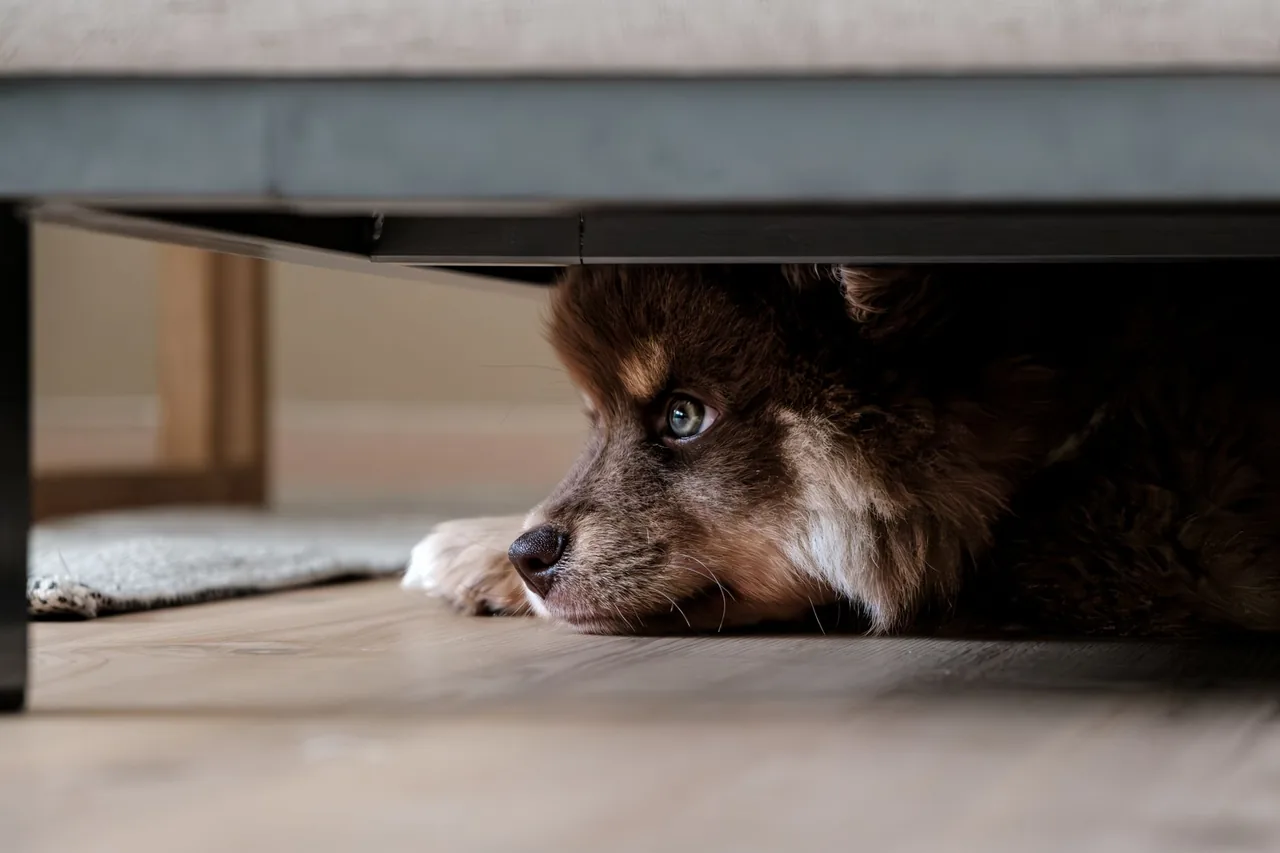
A frightened dog needs somewhere to go. The ASPCA suggests an interior room with no windows and some soft music, and the 2023 review recommends a comfortable crate, covered to block the flashes if your dog likes that, with curtains and blinds closed. One condition matters more than the rest: your dog must be able to go in and out freely. Shutting a panicking dog inside a crate is the opposite of a safe space, and frantic dogs can hurt themselves trying to escape.
Set the den up where your dog already likes to rest, away from windows and outside walls. Add familiar bedding, a worn shirt that smells like you, water, and a long-lasting chew or a stuffed food toy. Introduce it calmly a few days ahead, with meals and treats, so it is a known, good place before the noise arrives.
Then plan the sound. VCA lists white noise and background music among the practical tools for fireworks season, and the AKC suggests a fan, TV or sound machine. Switch it on before the first bang. Turning it on after your dog is already frightened does much less, and steady sound covers booms better than music with quiet gaps.
New Year’s Eve: before the fireworks start
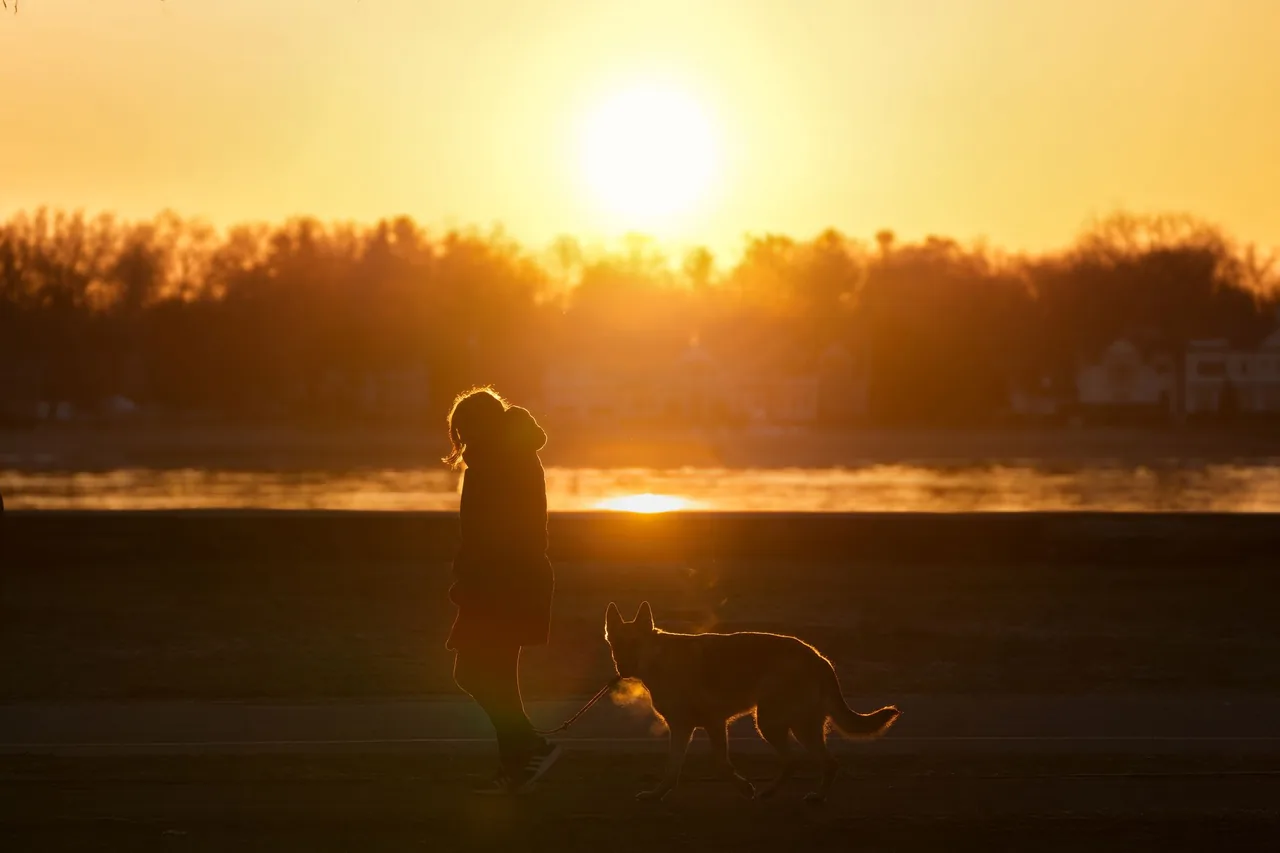
Fireworks nights are escape nights. The AVMA warns that fireworks can startle animals badly enough to make them run away, and a frightened dog can slip a collar, clear a fence or bolt through a door that is open for a second. The afternoon is for prevention:
- Walk before dark. The AKC suggests getting the long walk in before sunset, while the neighborhood is still quiet, and keeping a leash on even in a fenced yard for any trip outside later.
- Check the gear. Make sure the collar or harness fits snugly enough that your dog can’t back out of it.
- Check the ID. The AVMA’s advice is current ID tags, a microchip with up-to-date contact details in the registry, and a recent photo of your dog, just in case. If your dog isn’t microchipped, ask your vet about it before the holiday.
- Secure the house. Close windows and curtains, latch gates, and pick an escape-proof room for the evening. Keep your dog home when you go to parties or displays.
- Feed and settle. Offer dinner before the noise usually starts, then let your dog settle in the den with a chew while the masking sound runs.
If you’ll be out, leave your sitter written instructions, the vet’s number and the emergency clinic’s number. The free dog-sitter instructions sheet makes that quick.
During the noise: what to do and what not to do
Stay calm and let your dog choose. Some dogs want to lean against you; others want to disappear under the bed. Both are fine. Comforting is fine, too. Older advice, still repeated on some clinic pages, says you should ignore a scared dog so you don’t “reward” the fear. The 2023 evidence review concluded that ignoring a fearful dog who seeks contact is not advisable, and that calm stroking and talking lowered stress signs in studies. Fear is an emotion, and kindness doesn’t make it worse.
Keep offering the good stuff. A chew, a lick mat or a few treats scattered in the den pair the booms with something pleasant, which is the same principle as your training sessions.
What not to do:
- Don’t punish. Scolding a dog for trembling, barking or an accident only adds fear. VCA notes that punishment confirms to the dog that there is something to be afraid of.
- Don’t flood. Taking a frightened dog to a fireworks display “to get used to it” is exposure at full volume. VCA cautions that exposure pitched at the wrong level can increase fear and anxiety, and the AVMA’s advice is to leave pets at home.
- Don’t drag your dog out of hiding or lock a panicking dog in a crate.
- Don’t open the door carelessly. Midnight is when guests step outside to watch and neighbors come by. The AVMA recommends watching the exits closely when people come and go, and a note on the door or a baby gate as a second barrier helps.
New Year’s parties add their own hazards. The ASPCA warns that alcohol can make pets unsteady and sick, and that guests may carry medication or cannabis edibles that are toxic to dogs, so keep drinks, bags and coats out of reach. If your household does the twelve grapes at midnight, keep the bowl up high: grapes and raisins can cause kidney injury in dogs, per Pet Poison Helpline, and there is no way to predict which dog will react to how many. My guide to grapes and raisins has the details. Streamers and other party décor can cause choking or a blockage if swallowed, the same risk the AVMA flags for tinsel and ribbon.
The morning after
Wait for real quiet before the late potty trip, and keep the leash on. In the morning, walk the yard before your dog does. The AVMA recommends checking for fireworks debris before pets go out, because it can land in your yard even if you didn’t set any off, and the ASPCA warns that fireworks contain chemicals and heavy metals that are dangerous if eaten. If your dog chews spent fireworks or gets into party food, call your vet, the ASPCA Animal Poison Control Center at (888) 426-4435 or Pet Poison Helpline at (855) 764-7661; a consultation fee may apply.
Give your dog a quiet day to recover, then write down what helped and what didn’t while it is fresh: the den setup, the masking sound, which booms were worst, how long it took to settle. That note is where next year’s plan starts.
When to get more help
Call your veterinarian if your dog shows severe signs (frantic escape attempts, loss of bladder or bowel control, self-injury, or refusing food for hours), if the fear seems worse each year, or if it is spreading to other noises. Severe noise phobia often needs a vet, and sometimes a board-certified veterinary behaviorist, alongside the training. With a plan, a calmer New Year’s Eve is realistic for most dogs, and each season can be a little easier than the last.
Frequently asked questions
- Why is my dog so scared of fireworks?
- Fireworks are loud, sudden and impossible to predict, and they come with flashes, vibration and the smell of smoke, so a dog never gets the chance to learn that the noise is harmless. Noise fear is also very common: a 2023 review of the research in the journal Animals estimates that between a quarter and half of pet dogs are affected, that most show signs in their first or second year, and that the fear often gets worse with age. It is a real fear response, not disobedience, and it responds to gradual training, management and, when needed, medication from your vet.
- How do I calm my dog during fireworks on New Year's Eve?
- Set up a quiet den in an interior room, close the curtains, and start a fan, white noise or soft music before the first bang. Walk your dog before dark, keep a leash on for any late trip outside, and keep your dog indoors while fireworks are going off. Offer a long-lasting chew or a stuffed food toy, stay calm, and let your dog hide if that is what they choose. If your vet has prescribed medication, give it on the schedule they set, since most anti-anxiety medications need to be given before the noise starts.
- Should I comfort my dog when he's scared of fireworks?
- Yes, if he comes to you for it. Older advice said that petting a frightened dog rewards the fear, and you will still see it repeated, but a 2023 evidence review concluded that ignoring a fearful dog who seeks contact is not advisable and that calm stroking and talking lowered stress signs in studies. What you should avoid is punishment, scolding or forcing your dog out of a hiding spot. Stay relaxed and let him lean on you or hide, whichever he prefers.
- What can I give my dog for fireworks anxiety?
- Only what your veterinarian prescribes. Vets use event-based anti-anxiety medications given before the noise, FDA-approved options for noise aversion such as a dexmedetomidine gel applied to the gums, and, for dogs with season-long fear, a daily medication. In May 2026 the FDA also approved tasipimidine oral solution for noise aversion and separation anxiety. The ASPCA recommends a practice dose before the big night, and a sedative on its own is the wrong tool because it does not ease fear. Never give human medication or another pet's prescription.
- Is it too late to start desensitizing before New Year's?
- It is never too late to start, but be realistic about the timeline. Gradual desensitization takes weeks of short sessions, and VCA advises training at a time of year when fireworks are unlikely so a real bang does not undo the progress. If New Year's Eve is close, focus on management (the den, masking sound, an escape-proof night and a vet visit for severe fear), keep practicing at very low volumes, and plan a full program for the quiet months that follow.
Educational content only — not veterinary or professional behavior advice. Consult your vet, or a certified trainer or behaviorist, for your pet. Read the full disclaimer →