Christmas Foods and Plants That Are Dangerous to Dogs
Chocolate, fruitcake and panettone, sugar-free cookies, ham bones, eggnog and rising dough are the real holiday dangers for dogs. Poinsettia is milder than its reputation. Here is the sourced list, plus the decorations to keep out of reach.
On this page
- Chocolate: the classic holiday call
- Sugar-free treats and xylitol
- Fruitcake, stollen, panettone and mince pies: the raisin problem
- Macadamia nuts in cookies and candy
- Eggnog, punch and other holiday drinks
- Raw yeast dough: rolls and sweet breads
- The main course: ham, fat, bones and onion
- Holiday plants: the real risks and the overrated one
- Decorations: tinsel, ornaments, batteries and cords
- Guests, gifts and a quiet room
- If your dog eats something on this list
The Christmas foods that are truly dangerous to dogs are chocolate, anything sweetened with xylitol, grapes, raisins and currants (so fruitcake, stollen, panettone and mince pies), macadamia nuts, alcohol, raw yeast dough, and dishes made with onion or garlic. Fatty ham, drippings and cooked bones are the next tier: not poisons, but common causes of pancreatitis, choking and blockages. Among the plants, holly, mistletoe and amaryllis cause more trouble than their reputation suggests, lilies are an emergency for cats, and the famous poinsettia is only a mild irritant. If your dog eats something on this list, call your vet or a poison line right away: ASPCA Animal Poison Control (888) 426-4435 or Pet Poison Helpline (855) 764-7661 (a fee may apply).
The free toxic-foods checker gives you a fast answer on a single food. The sections below walk through the holiday table, the plants and the decorations in the order they tend to cause problems.
Chocolate: the classic holiday call
Chocolate is everywhere in December, and the AVMA is blunt: it’s safest to treat all chocolate as off-limits for dogs. It contains methylxanthines, and the ASPCA lists vomiting, diarrhea, panting, excessive thirst, hyperactivity, an abnormal heart rhythm, tremors and seizures among the effects. Darker chocolate is more dangerous than milk chocolate, so baking chocolate, cocoa powder and dark truffles are the worst.
Watch the places chocolate hides in December: advent calendars at dog height, stockings hung low, boxes of chocolates wrapped under the tree, and cocoa-heavy baking. If your dog gets into some, the free chocolate toxicity calculator helps you gauge the risk while you call your vet, and my guide to chocolate and dogs covers the signs and what happens next.
Sugar-free treats and xylitol
Xylitol is the holiday hazard people miss. The AVMA warns that sweets and baked goods may contain it, and that it has been linked to liver failure and death in dogs. The FDA points to candy, chewing gum, some peanut butters, baked goods and the mints that circulate at holiday parties. Pet Poison Helpline warns that it can cause a life-threatening drop in blood sugar, with signs that can start within about 10 to 60 minutes, and acute liver failure at higher doses.
Read the labels on anything sugar-free, including gum in a guest’s coat pocket or purse. I cover the details in is xylitol poisonous to dogs?
Fruitcake, stollen, panettone and mince pies: the raisin problem
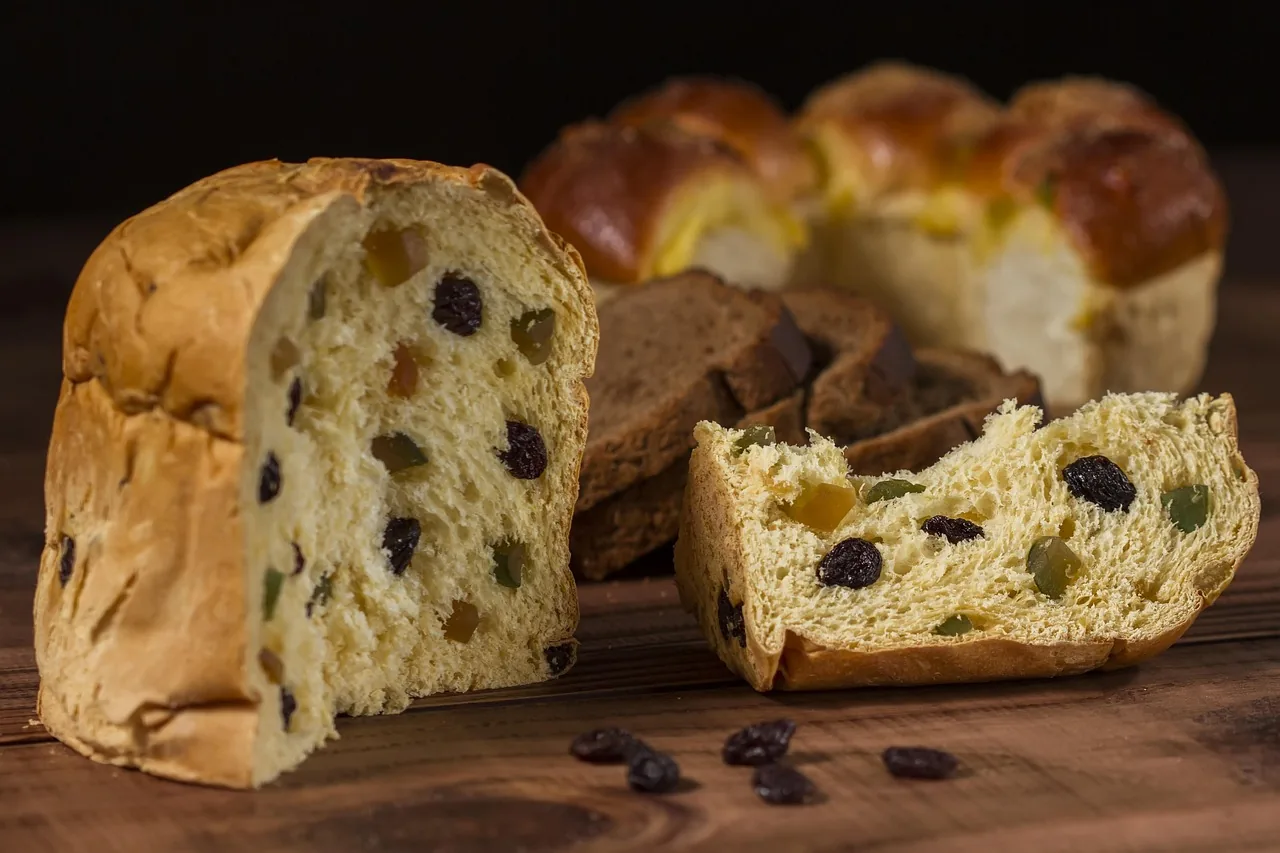
Many classic Christmas breads and cakes are full of dried vine fruit. Grapes, raisins and Zante currants can cause kidney injury in dogs, according to the Merck Veterinary Manual and Pet Poison Helpline. Merck notes that the effect varies, which means there is no way to predict which dog will react or to how much. Most affected dogs vomit or have diarrhea within 6 to 12 hours, and kidney failure can follow within 24 to 72 hours. (The “currants” in holiday baking are small dried grapes; true currant berries are a different plant and haven’t been linked to kidney injury.)
That puts fruitcake, stollen, panettone, mince pies, Christmas pudding, raisin bread and trail mix on the “never” list. Pet Poison Helpline adds that fruitcake soaked in rum or brandy carries a second risk, alcohol poisoning, which can lead to seizures and respiratory failure. Treat any raisin-containing bite as a reason to call your vet. My guide to grapes and raisins explains why waiting for signs is the wrong move.
Macadamia nuts in cookies and candy
Macadamia nuts turn up in holiday cookies, nut mixes and chocolate boxes. The ASPCA lists weakness, incoordination, depression, vomiting, tremors and a raised body temperature in dogs, with signs usually appearing within 12 hours. Pet Poison Helpline singles out weakness in the back legs and adds that the high fat content can trigger pancreatitis. A cookie that combines macadamias with chocolate or raisins stacks the risks.
Eggnog, punch and other holiday drinks
Alcohol is a poison for dogs, and holiday drinks tend to be sweet, creamy and left at dog height. The ASPCA lists vomiting, diarrhea, incoordination, depression, difficulty breathing, tremors, changes in blood chemistry, coma and, in severe cases, death, and Pet Poison Helpline warns that alcohol can drop blood sugar, blood pressure and body temperature to dangerous levels. Eggnog, spiked punch, mulled wine, liqueur-filled chocolates and rum cake all count. Keep glasses on high surfaces, and clear them as soon as a guest sets one down.
Raw yeast dough: rolls and sweet breads
Holiday baking brings a less obvious hazard: rising dough. The Merck Veterinary Manual explains that swallowed dough keeps expanding in the warm stomach, and that the yeast produces ethanol, which is absorbed into the bloodstream. Pet Poison Helpline adds that the swelling can progress to a life-threatening twisted stomach, and lists unproductive retching, a swollen belly, weakness and staggering among the signs. Let dough rise where your dog can’t reach it. Baked bread is a different story; see can dogs eat bread?
The main course: ham, fat, bones and onion
The AVMA puts it plainly: table scraps, including gravy, sauces, dressing, and meat or poultry fat and skin, are especially hard for pets to digest at the holidays and can cause pancreatitis, and bones can cause choking or an intestinal blockage. Pet Poison Helpline also warns that fatty meat scraps can produce severe inflammation of the pancreas. Holiday ham is salty and fatty, and a cooked ham bone should never go to the dog. My guide on whether dogs can eat ham covers what to do if yours steals a slice.
Onion and garlic are the quieter problem. The Merck Veterinary Manual explains that they damage red blood cells whether raw, cooked, dried or powdered, that concentrated forms such as dried flakes, onion powder and dry soup mix are a common source, and that signs of anemia usually appear a few days later. Stuffing, gravy, green bean casserole with fried onions, and seasoned leftovers can all carry enough to matter, and small amounts from several meals add up. See can dogs eat onions and garlic? for the full picture.
The trash is part of the meal. The AVMA recommends bagging carcasses, bones and anything used to wrap or tie the meat, such as strings and packaging, and putting them in a closed trash can outside or behind a locked door.
Holiday plants: the real risks and the overrated one
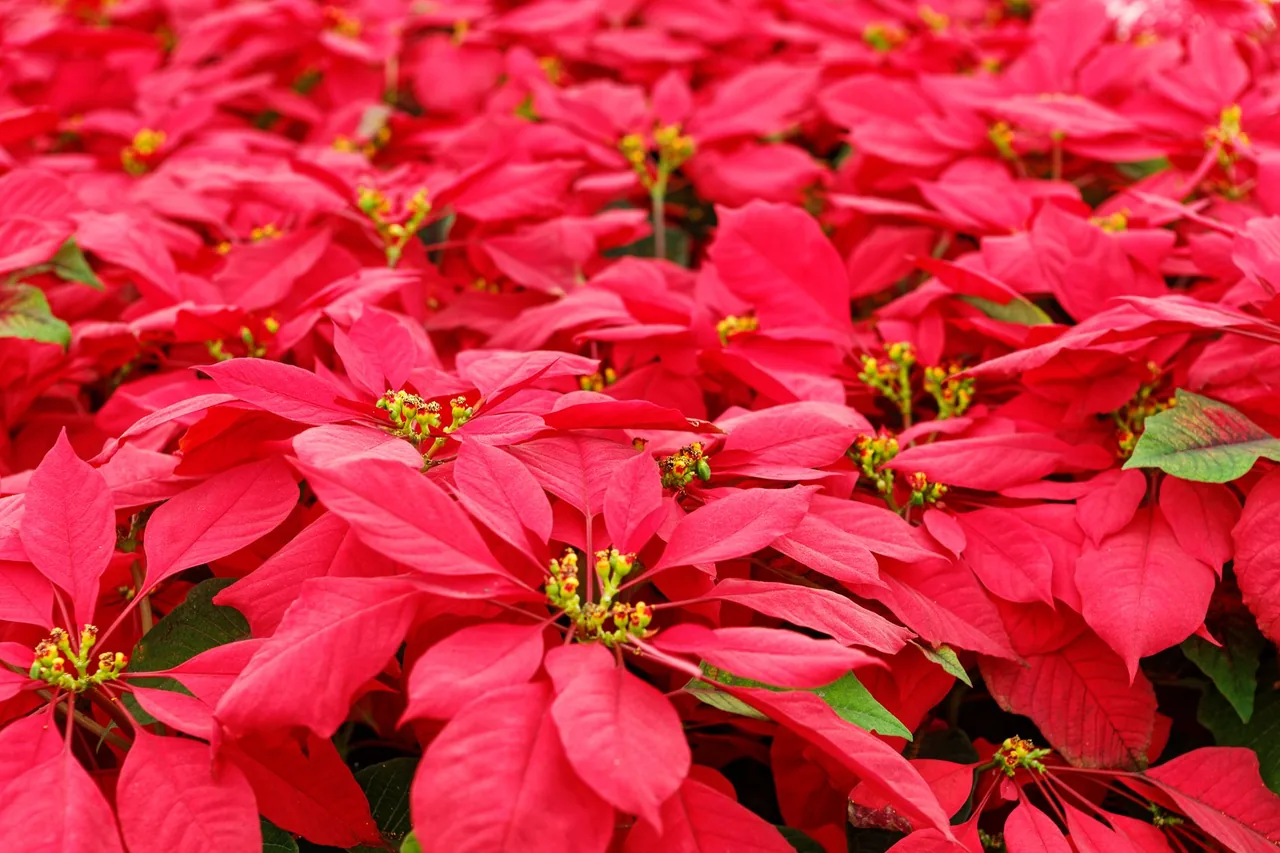
- Poinsettia: mild. Pet Poison Helpline rates it mildly toxic and says the danger is greatly exaggerated, and the ASPCA calls it irritating to the mouth and stomach but generally over-rated. Expect drooling, lip-licking, possible vomiting or diarrhea, and skin or eye irritation from the sap. Signs usually settle without treatment.
- Holly: the leaves and berries contain saponins that cause vomiting and diarrhea, and the spiny leaves can injure the lips and gums (Pet Poison Helpline).
- Mistletoe: American mistletoe commonly causes vomiting and diarrhea, and large amounts may cause low blood pressure and a stumbling gait (Pet Poison Helpline). The ASPCA lists stomach upset and possible cardiovascular problems.
- Amaryllis: the bulb is the most concentrated part, and effects can include vomiting, drooling, a drop in blood pressure and tremors (Pet Poison Helpline). Keep potted bulbs and forcing kits out of reach.
- Lilies: a cat emergency. Pet Poison Helpline warns that every part of true lilies, including pollen and vase water, can cause kidney failure in cats, and early treatment is vital. If you share your home with a cat, keep lilies out of holiday bouquets entirely.
The AVMA also lists balsam, pine and cedar among holiday greenery that can cause problems if eaten, so sweep up fallen needles and keep garlands off the floor.
Decorations: tinsel, ornaments, batteries and cords
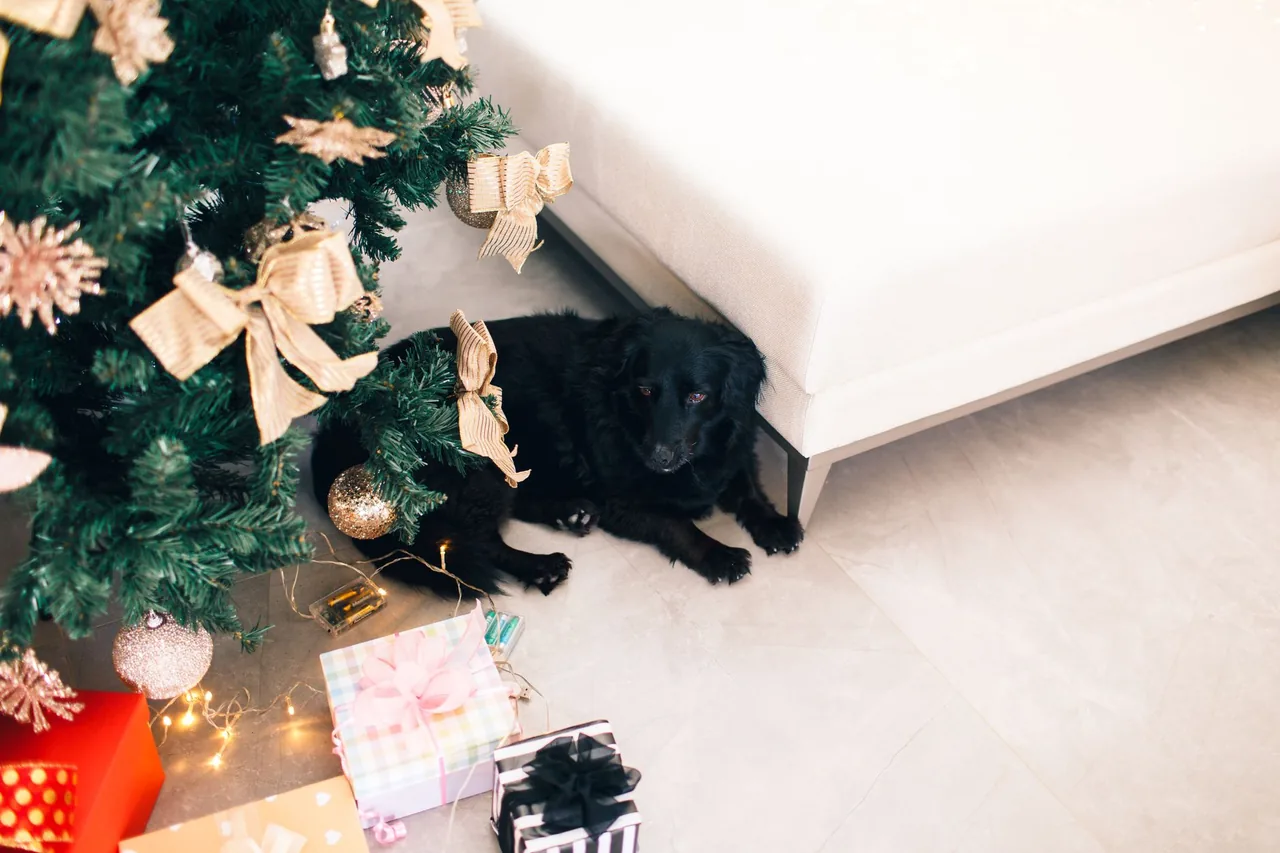
- Tinsel and ribbon: the ASPCA warns that swallowed tinsel can cause severe vomiting and a blocked digestive tract that may need surgery, and Pet Poison Helpline says even small amounts of garland and tinsel can cause blockage and rupture. Skip tinsel if you have a chewer, and clear ribbon and wrapping as gifts are opened.
- Salt-dough ornaments: Pet Poison Helpline warns that eating as few as one or two can make a dog very sick with salt poisoning, which shows up as trembling and stumbling. Hang homemade ornaments high, including while they dry.
- Glass ornaments: shards can damage the mouth and digestive tract (ASPCA). Put breakables on the upper branches.
- Batteries: a punctured battery can burn the mouth and esophagus (ASPCA). Keep spare batteries in a drawer and watch battery-powered candles and toys.
- Cords and lights: the ASPCA warns that a chewed wire can deliver a potentially lethal shock, and the AVMA recommends unplugging decorations when you’re out.
- Tree water and candles: tree water can breed bacteria that upset the stomach (ASPCA), the AVMA advises skipping tree-water additives in homes with pets, and a wagging tail can knock over a candle, so never leave one burning unattended.
Guests, gifts and a quiet room
Visitors change the rules of the house. Tell guests ahead of time not to feed the dog, and clear plates and glasses as you go. The AVMA recommends giving pets a quiet room or crate away from the commotion, and watching the exits while people come and go so a dog can’t slip out. Wrapped food gifts under the tree, such as chocolates, nut tins or fruitcake, are easy for a dog to sniff out, so keep them on a table until they’re opened, and ask guests to keep bags and coats in a closed room. The ASPCA points out that visitors may carry medication that is dangerous to pets.
If your holidays also mean fireworks, my New Year’s Eve fireworks plan covers the noise side of the season.
If your dog eats something on this list
Act right away, even if your dog seems fine. Work out what and roughly how much was eaten, keep the packaging or recipe, and call your vet, the nearest emergency clinic, the ASPCA Animal Poison Control Center at (888) 426-4435 or Pet Poison Helpline at (855) 764-7661. Both lines run around the clock, and a consultation fee may apply. Have your dog’s weight ready.
The AVMA lists sudden behavior changes, depression, pain, loss of appetite, vomiting and diarrhea as signs your pet may have eaten something it shouldn’t have. Don’t induce vomiting unless a veterinarian or poison-control professional tells you to, and skip home remedies. With chocolate, grapes and xylitol in particular, early treatment works far better than waiting for signs. A free pet poison emergency card on the fridge keeps the numbers where you’ll find them.
Frequently asked questions
- Are poinsettias poisonous to dogs?
- Only mildly. Pet Poison Helpline rates poinsettia toxicity as mild for dogs and says its danger is greatly exaggerated, and the ASPCA describes it as irritating to the mouth and stomach but generally over-rated in toxicity. A dog who chews one may drool, lick its lips, vomit or have mild diarrhea, and the sap can irritate skin and eyes. Signs usually settle on their own; call your vet or a poison line if they are severe or don't stop. Holly, mistletoe, amaryllis and, for cats, lilies are the holiday plants that deserve more respect.
- Can dogs eat fruitcake or panettone?
- No. Fruitcake, stollen, panettone and mince pies usually contain raisins or currants, and grapes, raisins and Zante currants can cause kidney injury in dogs. The Merck Veterinary Manual notes that the effect varies from dog to dog, so there is no way to know in advance which amount will harm which dog, and Pet Poison Helpline adds that rum- or brandy-soaked fruitcake brings the extra risk of alcohol poisoning. If your dog eats some, call your vet or a poison line right away rather than waiting for signs.
- Can dogs eat Christmas ham?
- It isn't a good thing to share. Ham is salty and fatty, and the AVMA warns that rich holiday table scraps, including meat fat and skin, gravy and sauces, can cause pancreatitis, while bones can cause choking or an intestinal blockage. A cooked ham bone should never go to the dog. My guide on whether dogs can eat ham covers what to do if yours steals a slice.
- Is mistletoe or holly dangerous for dogs?
- Both can make a dog sick. Pet Poison Helpline says holly leaves and berries contain saponins that cause vomiting and diarrhea, and the spiny leaves can injure the mouth. American mistletoe commonly causes vomiting and diarrhea, and large amounts may lead to low blood pressure and a stumbling gait. The ASPCA lists both as causes of stomach upset and possible heart and blood-pressure problems. Hang them well out of reach and call your vet if your dog eats any.
- Can my dog have a Christmas cookie?
- It is safer to say no. Holiday cookies can hide several dog hazards at once: chocolate, raisins, macadamia nuts and, in sugar-free recipes, xylitol, which Pet Poison Helpline warns can cause a life-threatening drop in blood sugar. Even a plain butter cookie is rich enough to upset a dog's stomach. If you want your dog included, bake or buy a treat made for dogs.
Educational content only — not veterinary or professional behavior advice. Consult your vet, or a certified trainer or behaviorist, for your pet. Read the full disclaimer →