Can Dogs Eat Avocado?
Not the deadly poison the internet claims — but the pit, the fat, and guacamole's onion and garlic add up to a clear 'skip it' for dogs.
On this page
The honest answer is: skip it. Avocado is one of the most misunderstood foods on the “can my dog eat this” list — it is not the deadly poison for dogs that the internet often claims, but it also isn’t worth offering, because the real risks outweigh any benefit. Our free Dog Toxic-Foods Checker files avocado under Caution: “For dogs the bigger risks are the large pit (choking / blockage) and the fatty flesh (stomach upset, pancreatitis); persin is a far greater danger to birds than to dogs,” with the plain instruction: “Skip it. If the pit was swallowed, call your vet.”
Below is the truth about the persin scare, the two risks that actually matter, and why guacamole is the worst version of all.
The persin myth, cleared up
If you’ve read that avocado will poison your dog, here’s the accurate version. Avocado contains a compound called persin, and persin genuinely is dangerous — but overwhelmingly to birds and some livestock, not to dogs. Dogs are relatively resistant to it, and veterinary sources like the AKC and Pet Poison Helpline don’t rank avocado flesh anywhere near the toxicity of chocolate, grapes, or xylitol for dogs. So the “avocado is deadly” headline overstates things.
But — and this is the important but — “not highly toxic” is not the same as “safe to feed.” The reasons to skip avocado have nothing to do with persin. They’re the pit and the fat.
The real risk: the pit
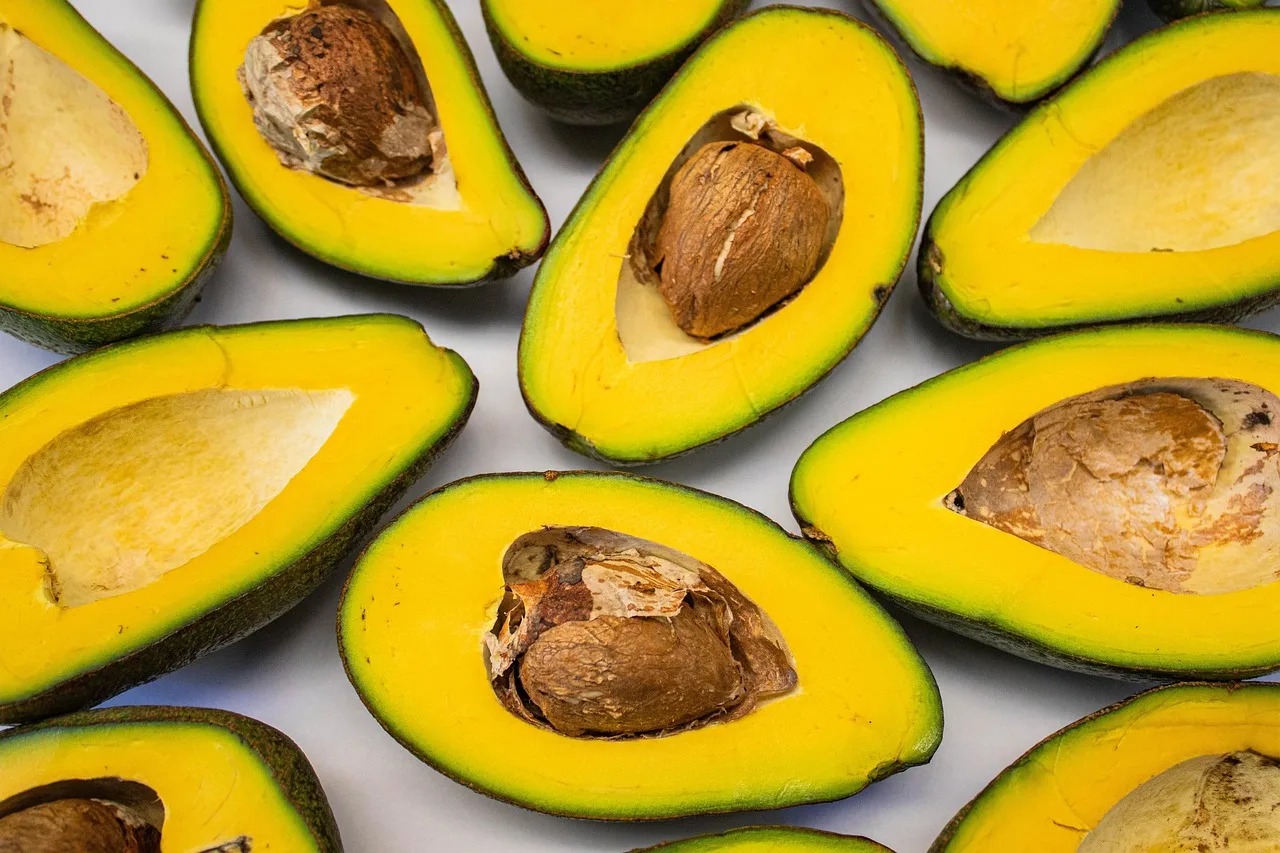
The single most serious problem with avocado is mechanical: that big, hard pit. It’s a classic choking hazard, and if swallowed it’s a common cause of intestinal blockage — a surgical emergency, particularly in small and medium dogs. Dogs are drawn to pits because they smell strongly of the fatty flesh, so a pit tossed in the trash or the compost is a genuine temptation, not a theoretical one.
If your dog swallows a pit, call your vet straight away rather than waiting for symptoms, and watch for vomiting, straining without producing stool, a hunched or painful belly, or loss of appetite. The easiest fix is prevention: bin pits where your dog can’t get them.
The second risk: the fat
Avocado flesh is high in fat. It’s healthy fat for people, but it’s a lot of fat for a dog, and a meaningful amount can cause vomiting and diarrhoea. In dogs prone to it — small breeds especially, and any dog with a history of the condition — a high-fat food can help trigger pancreatitis, a painful and sometimes serious inflammation of the pancreas. Between the pit and the fat, avocado carries two real downsides and no benefit a safer treat can’t provide.
Guacamole is the worst version
If plain avocado is a “skip it,” guacamole is a firm “keep it away.” Most guacamole is made with onion and garlic — both toxic to dogs (our onions and garlic guide explains why) — plus salt, and sometimes lime and chilli. So a dog raiding a bowl of guac gets the fat and a dose of toxic allium. If that happens, treat the onion and garlic as the priority and call your vet or a poison line, especially if your dog ate a fair amount. This is exactly why the checker treats avocado and guacamole as one caution entry — the dip is the more likely way a dog actually gets hurt.
What to do instead
There’s simply no reason to take the risk. If you want to treat your dog, reach for something with none of avocado’s downsides — a few blueberries, carrot pieces, or apple slices are low-fat, pit-free, and genuinely good for them, and they fit neatly inside the 10% treat budget our free Dog Feeding Calculator helps you set. Keep avocados and their pits off the counter and out of the compost, and if your dog gets into one anyway, our Dog Toxic-Foods Checker has the verdict and the poison-control numbers ready.
The bottom line on avocado
Not a deadly poison, but not worth it: the pit is a real blockage risk, the fat can upset a stomach or feed a pancreatitis flare, and guacamole adds toxic onion and garlic on top. Skip avocado, secure the pits, and spend your dog’s treat budget on something safer — and if a pit or a bowl of guac disappears, call your vet.
Frequently asked questions
- Is avocado actually poisonous to dogs?
- Not the way it's often described. Avocado contains persin, a compound that's genuinely dangerous — but overwhelmingly to birds and some livestock, not dogs. Dogs are relatively resistant to persin, and the flesh is not considered highly toxic to them the way chocolate or grapes are. So the widespread 'avocado will kill your dog' claim overstates the toxicity. That said, 'not highly toxic' isn't the same as 'good idea': the real, practical risks with avocado are mechanical (the pit) and dietary (the fat), which is why the sensible verdict is still to skip it.
- What happens if my dog eats an avocado pit?
- This is the risk to take seriously. The large, hard pit is a classic choking hazard and, if swallowed, a common cause of intestinal blockage — a surgical emergency, especially in small and medium dogs. Dogs are drawn to pits because they smell of the fatty flesh, so a discarded pit in the trash or compost is a real temptation. If your dog swallowed a pit, call your vet right away rather than waiting for symptoms; watch for vomiting, straining to pass stool, a painful belly, or loss of appetite. Prevention is simplest: bin the pits somewhere your dog can't reach.
- Can dogs eat guacamole?
- No — guacamole is worse than plain avocado, because of what's added to it. Most guacamole contains onion and garlic, both toxic to dogs, plus salt and sometimes lime and chilli. So a dog who eats guacamole faces the avocado's fat plus a dose of toxic allium. If your dog got into guacamole, the onion and garlic are the priority: call your vet or a poison line, especially if they ate a meaningful amount. This is a good example of why our checker treats 'avocado' and 'guacamole' as the same caution entry — the dip is the more likely way a dog gets hurt.
- Why is avocado's fat a problem for dogs?
- Avocado flesh is high in fat — healthy fat for us, but a lot of it for a dog. A meaningful amount can cause stomach upset (vomiting and diarrhoea), and in dogs prone to it, a high-fat food can help trigger pancreatitis, a painful and sometimes serious inflammation of the pancreas. Small breeds and dogs with a history of pancreatitis are most at risk. Combined with the pit hazard and the guacamole problem, the fat is the third reason avocado just isn't worth offering — there are plenty of low-fat treats that carry none of these downsides.
Educational content only — not veterinary or professional behavior advice. Consult your vet, or a certified trainer or behaviorist, for your pet. Read the full disclaimer →