Can Dogs Eat Peanut Butter?
Xylitol-free peanut butter is a first-class training treat — but one sweetener on the label turns it into a veterinary emergency.
On this page
Yes, most dogs can safely eat peanut butter, but ONLY if it is 100% xylitol-free. Everything else in this article hangs off that one label check. Plain peanut butter made from peanuts and not much else is one of the most useful treats a dog owner can keep in the pantry. The free Dog Toxic-Foods Checker rates peanut butter (xylitol-free) as Safe, with this note: “A high-value training treat — but always read the label for xylitol / birch sugar first.” The serving rule is just as short: “Xylitol-free only, in small amounts (it’s high in fat).”
Read the label first: xylitol turns a treat into an emergency
Xylitol — sometimes listed as “birch sugar” or “wood sugar,” and occasionally buried inside a vague “sugar alcohols” line — is a sweetener added to some peanut butters, especially ones marketed as “no sugar added,” “natural,” “keto,” or “low calorie.” It is harmless to people and dangerously toxic to dogs.
According to the Pet Poison Helpline, xylitol triggers a rapid, massive release of insulin in a dog’s body. Blood sugar can crash to dangerous levels within about 10 to 60 minutes of ingestion, often before an owner realizes anything is wrong. At higher doses, xylitol can also cause acute liver failure, which can be fatal. The ASPCA Animal Poison Control Center consistently ranks xylitol among the most serious household dangers for dogs, and the amounts involved are small: hypoglycemia has been reported at doses around 0.1 grams per kilogram of body weight, which means one spoonful of a xylitol-sweetened spread can be enough to endanger a small dog.
So before any peanut butter touches your dog’s tongue, read the ingredient list every time, even on a brand you’ve bought before, because recipes change. If the label lists xylitol or birch sugar anywhere, that jar never goes to the dog, and it should live somewhere the dog cannot reach.
Signs of xylitol poisoning
Per the Pet Poison Helpline and ASPCA Animal Poison Control, the early signs reflect crashing blood sugar:
- Vomiting
- Sudden weakness or lethargy
- Stumbling, wobbling, or lack of coordination
- Trembling or muscle tremors
- Collapse or seizures
Signs of liver injury, such as jaundice (yellowed gums or eyes), can appear later, sometimes one to three days after ingestion, even in dogs that seemed to recover from the initial crash.
If your dog ate peanut butter that contains xylitol
Treat it as an emergency even if your dog seems completely fine right now. With xylitol, waiting for symptoms wastes the window when treatment works best. Call your veterinarian, the nearest emergency vet, or a poison line immediately: ASPCA Animal Poison Control at (888) 426-4435 or the Pet Poison Helpline at (855) 764-7661 (a consultation fee may apply, and it is worth it). Have your dog’s weight ready, plus the product name, roughly how much was eaten, and when. Do not induce vomiting unless a veterinary professional specifically tells you to — a dog whose blood sugar is dropping can inhale vomit and make a bad situation worse.
How much xylitol-free peanut butter is okay?
Even the safe kind is a calorie bomb: roughly 90 to 100 calories per tablespoon, most of it fat. Veterinary guidance echoed by the AKC is to keep all treats — peanut butter included — under about 10% of your dog’s daily calories. In practice that means a smear, not a serving: think half a teaspoon or less for a small dog and up to a teaspoon or so for a large dog, not every day.
The fat matters for more than the waistline. High-fat foods are implicated in canine pancreatitis, a painful and sometimes serious inflammation of the pancreas described in the Merck Veterinary Manual. If your dog is overweight, has had pancreatitis before, or belongs to a predisposed breed such as the Miniature Schnauzer, ask your vet before adding peanut butter at all.
A few more quality notes: choose a jar whose ingredient list is basically just peanuts — skip heavily salted or sugar-loaded versions, and never anything blended with chocolate. True peanut allergies in dogs are rare but not impossible, so the first taste should be tiny, followed by a day of normal watching.
How to serve it: training gold and calm-down enrichment
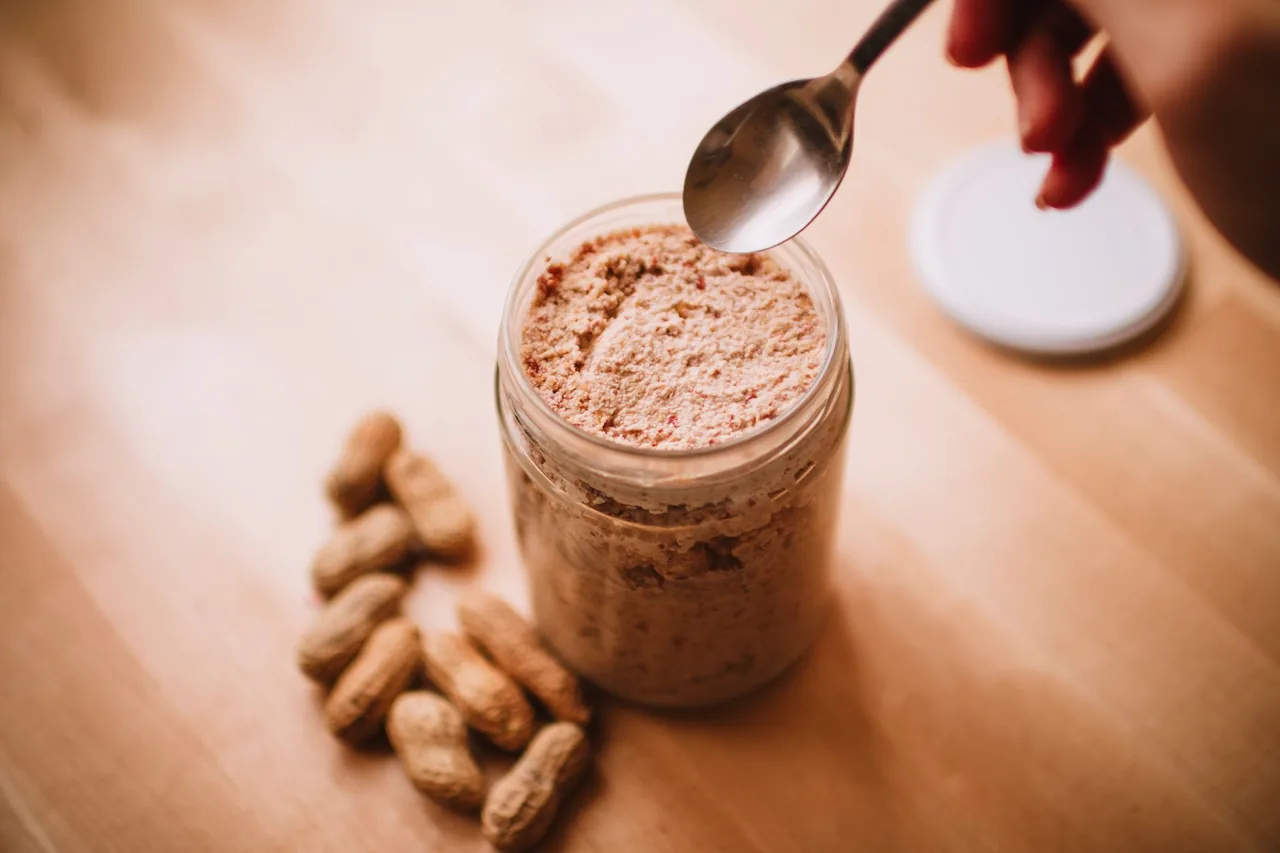
Reward-based trainers reach for peanut butter because most dogs rank it near the top of the treat hierarchy, and the American Veterinary Society of Animal Behavior (AVSAB) endorses exactly this kind of reward-based, force-free training over punishment-based methods. A dab on a spoon or a lick mat keeps a dog happily occupied during nail trims, brushing, bath time, and vet-visit practice. Smeared inside a KONG, mixed with a little of your dog’s regular kibble and frozen, it becomes a long-lasting settle project that’s perfect for crate time or practicing calm alone-time. And as a jackpot reward, it’s ideal for your hardest asks: coming when called at the park, or holding a stay past a real distraction.
Save the best treats for your hardest cues. The Dog Training Commands Guide shows how, step by step, all reward-based.
Safe alternatives
If peanut butter is off the table — too many calories, a sensitive pancreas, or you just ran out — the checker’s SAFE list has ready stand-ins: a few slices of banana, plain cooked boneless chicken, plain green beans, cucumber coins, or a strawberry or two. Each comes with its own portion note, so glance at the entry before you share.
Check before you share
The peanut butter rule (safe, but only after you’ve read the label) is a good habit for every human food. Some foods that seem harmless are dangerous to dogs, and some “toxic” reputations are overblown. Before anything new goes in the bowl, search it in the free Dog Toxic-Foods Checker: dozens of common foods, each with a clear safe / caution / toxic verdict, the reason why, and the poison-control numbers if you ever need them.
Bottom line: xylitol-free peanut butter, in small amounts, is one of the best training and enrichment treats there is. Peanut butter with xylitol is an emergency. The ingredient list is what separates the two, so read it first, every time.
Frequently asked questions
- What happens if a dog eats peanut butter with xylitol in it?
- Treat it as an emergency, even if your dog looks fine. According to the Pet Poison Helpline, xylitol causes a rapid surge of insulin in dogs, and blood sugar can crash within 10 to 60 minutes — watch for vomiting, weakness, stumbling, tremors, or seizures. Larger doses can cause acute liver failure, which may not show up for one to three days. Call your veterinarian, an emergency vet, ASPCA Animal Poison Control at (888) 426-4435, or the Pet Poison Helpline at (855) 764-7661 right away, with your dog's weight, the product, the amount, and the time it happened. Do not induce vomiting unless a professional tells you to. Early treatment makes a real difference with xylitol, so don't wait for symptoms.
- How much peanut butter can I give my dog?
- Less than most people think. Peanut butter runs roughly 90 to 100 calories per tablespoon, most of it fat, so veterinary guidance echoed by the AKC — keep all treats under about 10% of daily calories — translates to a smear, not a spoonful: around half a teaspoon for a small dog and up to a teaspoon or so for a large dog, and not necessarily every day. The fat is the bigger issue for some dogs: high-fat foods are implicated in pancreatitis, per the Merck Veterinary Manual, so if your dog is overweight, has had pancreatitis, or is a predisposed breed like the Miniature Schnauzer, check with your vet first. Whatever the amount, it must be 100% xylitol-free.
- Can puppies have peanut butter?
- Yes, once they're on solid food, with the same rules as adult dogs, applied more strictly. It must be 100% xylitol-free (read the label every time), and portions should be tiny, because a puppy's calorie budget is small and easily thrown off balance by rich extras. A fingertip smear is plenty for training or for making handling, grooming, and vet-visit practice a positive experience. Reward-based methods like these are what the American Veterinary Society of Animal Behavior recommends. Since any new food can upset a young stomach, introduce it as a tiny taste first and watch for a day. If your puppy is on a carefully balanced growth diet, mention peanut butter to your vet so treats stay inside the plan.
- Is crunchy, salted, or 'natural' peanut butter okay for dogs?
- Crunchy versus smooth doesn't matter much for most dogs. Smooth is easier to stuff into a KONG or spread on a lick mat, and safer for tiny dogs and gulpers who might not chew the pieces. Salt is worth minimizing: an occasional smear of lightly salted peanut butter won't harm a healthy dog, but low-salt or unsalted is the better habit. Be careful with the word "natural" — it is a marketing term, not a safety guarantee, and some "natural" and "no sugar added" peanut butters are exactly the ones sweetened with xylitol (sometimes listed as birch sugar). The ideal jar has an ingredient list that is basically just peanuts. Whatever the style, the label check for xylitol comes first, every time.
Educational content only — not veterinary or professional behavior advice. Consult your vet, or a certified trainer or behaviorist, for your pet. Read the full disclaimer →