Pancreatitis in Dogs: Signs, Causes and the Low-Fat Diet
Pancreatitis can be a one-off emergency or a recurring problem, and diet decides a lot of what happens next. The emergency signs, the usual triggers, how vets diagnose it, and how to feed a dog after a flare.
On this page
Pancreatitis is inflammation of the pancreas, and in dogs it ranges from a sudden, painful, sometimes life-threatening emergency to a smoldering problem that keeps coming back. Repeated vomiting, belly pain, refusing food or collapse means a vet visit the same day. Afterwards, the biggest thing you control is diet: a low-fat, highly digestible food your vet chooses, small meals, and no fatty treats or table scraps, often for life. That’s the picture from the Merck Veterinary Manual and VCA Animal Hospitals.
Most dogs with a mild case recover well with prompt treatment. Preventing the next flare is where owners make the biggest difference.
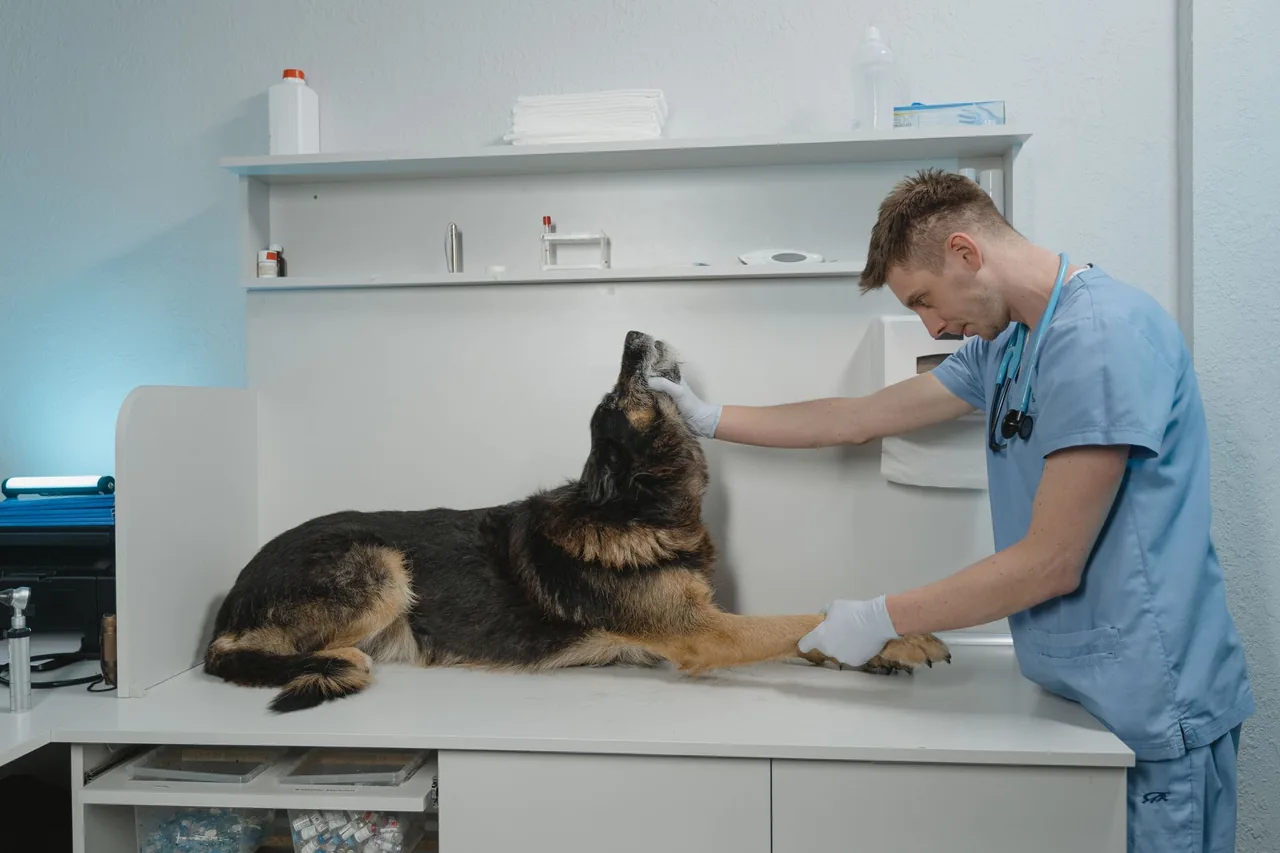
What happens in pancreatitis
The pancreas makes digestive enzymes and insulin. Normally the enzymes switch on in the intestine. In pancreatitis, VCA and Merck explain, they activate early, inside the pancreas, and the organ starts to damage itself, causing swelling, bleeding and inflammation. Merck calls it the most common disease of the digestive part of the pancreas in dogs.
Acute pancreatitis comes on suddenly and ranges from mild to severe; severe cases can be life-threatening and often need hospital care. Chronic pancreatitis is longer-term, with milder, recurring signs.
Signs, and when it’s an emergency
Merck and VCA list the common signs: not eating, vomiting, belly pain, lethargy or weakness, dehydration and diarrhea, sometimes with fever. VCA describes the “praying position,” with the rear end up and the front legs and chest on the floor, as a classic sign of belly pain. Merck notes that belly pain is easy to miss in dogs, and chronic cases may show only a poor appetite, low energy or occasional stomach upset.
Go to a vet the same day for repeated vomiting, obvious belly pain, refusing food, collapse or a dog that seems very depressed. VCA warns severe pancreatitis can lead to shock and even death.
Why it happens
Often no cause is found, and it isn’t the owner’s fault. Known risk factors, according to Merck and VCA:
- A high-fat meal, such as table scraps, fatty treats or a raided trash can. This is the classic trigger, which is why holidays are risky. The Thanksgiving foods guide shows which holiday foods to keep away.
- Very high blood fat levels (hypertriglyceridemia).
- Breed: Miniature Schnauzers are strongly overrepresented; Yorkshire Terriers, Cocker Spaniels, Dachshunds and Poodles are also at higher risk.
- Hormone disease, especially Cushing’s disease.
- Some medications and trauma.
How vets diagnose it
Merck describes a specific canine pancreatic lipase blood test (Spec cPL) as the most specific and sensitive blood test, with a quick in-clinic version available. Abdominal ultrasound helps, especially in severe cases. No single test is perfect, so your vet combines the signs, blood work and imaging.
Treatment for a flare
From Merck and VCA:
- IV fluids are the mainstay for severe cases, often with a hospital stay of a few days.
- Pain relief. Merck advises assuming belly pain is present and treating it.
- Anti-nausea medication for vomiting.
- Early feeding. The old advice to rest the pancreas by fasting has changed: Merck now suggests withholding food only if a dog is vomiting uncontrollably, and early nutrition, ideally within about 48 hours, is linked to better outcomes.
Your vet sets the plan, including when to start food and what kind.
The low-fat diet
Reducing dietary fat is the foundation of managing pancreatitis long-term (Merck; VCA). What that looks like:
- A low-fat, highly digestible diet your vet chooses. Merck suggests a ration with less than 20 grams of fat per 1,000 kcal; your vet may go lower for severe or recurrent cases.
- Read labels carefully. Tufts’ veterinary nutritionists explain that the fat percentage printed on a bag is “as fed,” which understates the real fat content compared with the dry-matter figure. Ask your vet rather than trusting a front-of-bag claim.
- Home-cooked diets need a veterinary nutritionist, according to Tufts. A typical internet recipe is an easy way to get the fat wrong or miss nutrients.
- Small, frequent meals, as VCA describes for recovery.
- Treats count. A strict low-fat diet is undone by fatty treats. Use low-fat treats your vet approves, or pieces of the diet itself.
Preventing the next flare
Keep your dog on the low-fat diet, stop all table scraps (and tell every family member and guest), keep your dog lean, secure the trash and manage counter surfing. Work with your vet on any underlying condition such as Cushing’s disease or high blood fats.
Repeated or severe episodes can damage the pancreas over time and lead to diabetes or exocrine pancreatic insufficiency, where the pancreas can’t make enough digestive enzymes (Merck; VCA). That’s another reason prevention matters so much.
Outlook
VCA notes that mild pancreatitis has a good prognosis with prompt treatment, and most dogs recover without long-term problems. Severe cases are more guarded. A simple record of meals, treats and any symptoms makes rechecks easier; the free vet visit prep and symptom log works well for this.
Frequently asked questions
- What are the signs of pancreatitis in dogs?
- The Merck Veterinary Manual and VCA list not eating, vomiting, belly pain, lethargy or weakness, dehydration and diarrhea, sometimes with fever. VCA describes the “praying position” (rear end up, chest down) as a classic sign of belly pain. Chronic cases can be vague: a poor appetite, low energy or occasional stomach upset.
- What causes pancreatitis in dogs?
- Often no cause is found. Known risk factors, according to Merck, include eating something high in fat, very high blood fat levels, Cushing’s disease, some medications and trauma. Miniature Schnauzers are strongly overrepresented, and Yorkshire Terriers, Cocker Spaniels, Dachshunds and Poodles are also at higher risk.
- Should a dog with pancreatitis fast?
- Not usually any more. Merck now suggests resting the pancreas only if a dog is vomiting uncontrollably, and early feeding, ideally within about 48 hours, is linked to better outcomes. Your vet decides when and what to feed during a flare.
- What does a low-fat diet mean for a dog?
- Your vet chooses the diet and the fat level, which can be lower for severe or recurrent cases. Merck suggests a ration with less than 20 grams of fat per 1,000 kcal. Fat percentages on a bag are “as fed” and understate the real fat content, so ask your vet rather than relying on a front-of-bag claim.
Educational content only — not veterinary or professional behavior advice. Consult your vet, or a certified trainer or behaviorist, for your pet. Read the full disclaimer →