Thanksgiving Foods Dogs Can and Can't Eat
A dish-by-dish table of the Thanksgiving plate: what a dog can have plain, what's a caution, what never leaves the table, and what to do if the leftovers go missing.
On this page
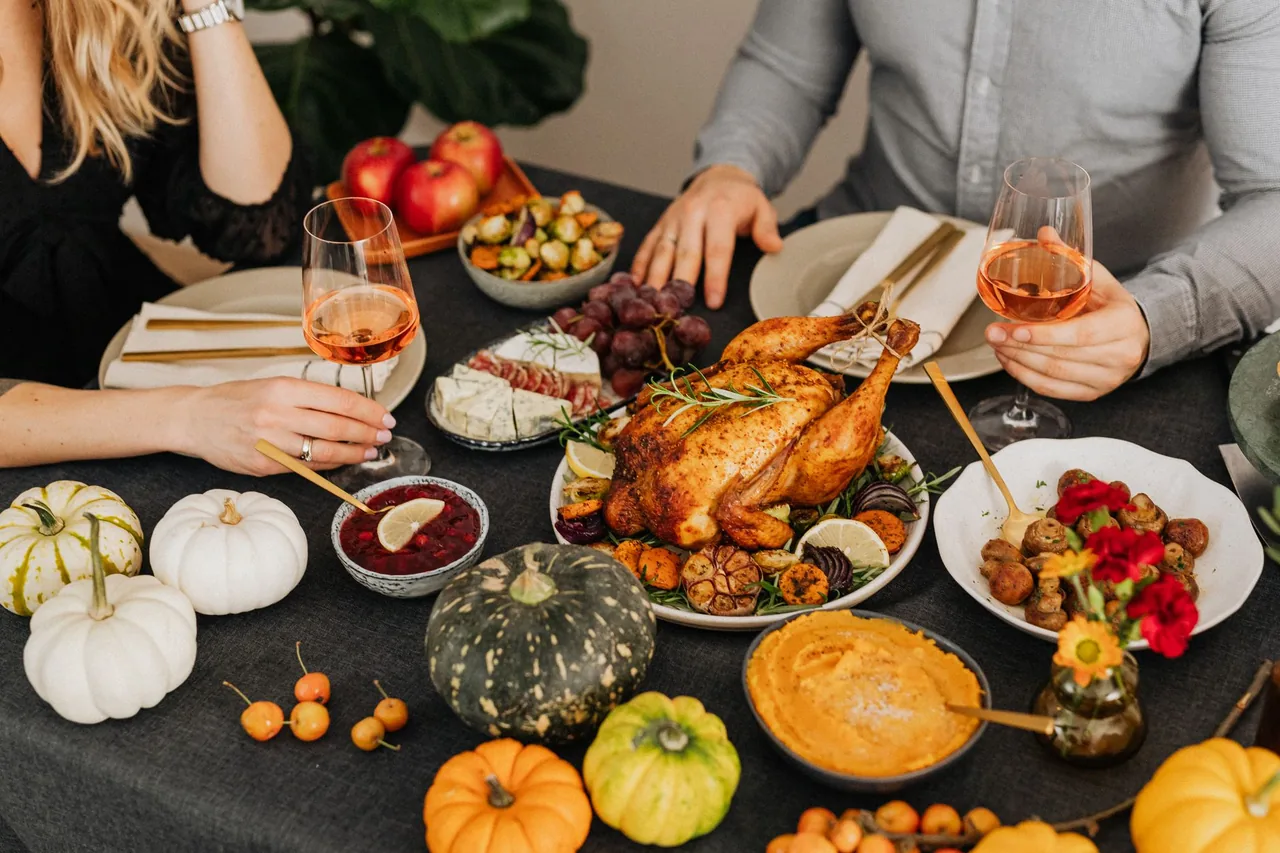
Most of a Thanksgiving dinner isn’t poison to a dog, but very little of it is safe the way it’s served. The turkey meat is fine in small, plain pieces; the AVMA calls plain, boneless, skinless turkey generally safe for pets in small portions. The trouble is everything the cook adds along the way: onion and garlic in the stuffing and gravy, butter and cream in the potatoes, raisins in some stuffings and sauces, sugar and spice in the pie, and fat from the skin and drippings. Below is the whole plate in one place, dish by dish, with a link to the full answer wherever I’ve written one.
Dog already into the leftovers? Jump to If your dog raided the table and make the call first.
The whole plate, sorted
These verdicts match the free Dog Toxic-Foods Checker, which you can search from your phone on the day. “Plain” means cooked with no butter, salt, onion, garlic or seasoning, and set aside before the rest of the dish is finished.
| Dish | What to know |
|---|---|
| Turkey meat | Boneless and skinless, with no rub, butter or gravy. A few small pieces as a treat. |
| Sweet potato | Cooked and unseasoned, before the butter, brown sugar or marshmallows go on. |
| Green beans | Steamed or boiled with no salt, butter or crispy onion topping. |
| Plain canned pumpkin | Pumpkin as the only ingredient, not pie filling. A teaspoon to a tablespoon or two, by size. |
| Plain cranberries | Raw or cooked without sugar. They're tart, so plenty of dogs pass. |
| Corn kernels | Plain kernels cut off the cob. The cob itself belongs in the caution list below. |
| Carrots | Raw or cooked, cut to size, without a butter or sugar glaze. |
| Dish | What to know |
|---|---|
| Turkey skin, fat and bones | Skin and drippings are a classic pancreatitis trigger; cooked bones splinter. |
| Gravy | Mostly fat and salt from drippings and bouillon, and often seasoned with onion or garlic. |
| Ham | Very salty and fatty. A thin lean sliver at most, never the glaze or the bone. |
| Mashed potatoes | Butter, cream and salt. Skip entirely if garlic, onion or chives went in. |
| Cranberry sauce | Mostly sugar. Check the recipe for raisins, currants, liquor or xylitol. |
| Pumpkin pie | Sugar, a fatty crust, whipped cream and spice. Share plain pumpkin instead. |
| Baked dinner rolls | Plain baked bread is empty filler. Rising dough is a different story (see below). |
| Cheese board | A small plain cube at most. No blue cheese, herb-and-garlic spreads or fruited cheeses. |
| Corn on the cob | The cob is a classic intestinal blockage. Call your vet if one is swallowed. |
| Pecans and other nuts | High in fat, which can bring vomiting or pancreatitis. Macadamias are outright toxic. |
| Sweet potato casserole | Butter, sugar and marshmallows turn a safe vegetable into a rich dessert. |
| Dish | What to know |
|---|---|
| Stuffing or dressing | Most recipes contain onion and garlic, some add raisins, and nearly all are buttery. |
| Anything with onion, garlic, leeks or chives | Green bean casserole's fried onions, creamed onions, seasoned gravy, herb butter. |
| Grapes, raisins and currants | On cheese boards, in fruit salads, and in some stuffings and sauces. No known safe amount. |
| Raw yeast dough | Rolls rising on the counter expand in the stomach and ferment into alcohol. |
| Chocolate desserts | Chocolate pie, brownies, truffles. Darker and baking chocolate are the most dangerous. |
| Sugar-free desserts | Xylitol (also sold as birch sugar) crashes a dog's blood sugar and can damage the liver. |
| Wine, beer and cocktails | Alcohol is absorbed fast. Watch unattended glasses at dog height. |
| Macadamia nuts | Weakness, wobbliness, vomiting and overheating, usually within 12 hours. |
Why the holiday version is the problem
Almost nothing in the “keep off” column is exotic. It’s ordinary seasoning, and a holiday meal concentrates it.
Onion and garlic are in nearly everything. The ASPCA’s own clinical guidance for veterinarians names holiday casseroles, stuffing and mashed potatoes as the places onions and garlic turn up at Thanksgiving. The Merck Veterinary Manual explains that raw, cooked, dehydrated and powdered forms all damage a dog’s red blood cells, that garlic is three to five times more toxic than onion, and that the signs of anemia (weakness, pale gums, collapse) usually don’t appear until several days later. That delay is why a dog can nibble through three seasoned dishes on Thursday and seem perfectly fine until the weekend. My onion and garlic guide covers the details, including why small amounts from several dishes add up.
Fat is the other half of the story. Pet Poison Helpline’s veterinarians list butter, bacon, fatty meat drippings, gravies and meat scraps first among the exposures they get called about in Thanksgiving week, because of pancreatitis, a painful inflammation of the pancreas. The Merck Veterinary Manual names eating trash or large amounts of table scraps as a common risk factor, and some breeds, including Miniature Schnauzers, Yorkshire Terriers and Cocker Spaniels, see it more often. The catch is timing: Pet Poison Helpline notes that symptoms may not appear for up to four days after the meal.
Raisins hide in the sides. Raisins, currants and grapes turn up in stuffings, sauces, salads and cheese boards, and no one can tell you how many is too many for a particular dog. Pet Poison Helpline’s advice is to take any amount seriously, and I’d do the same; the grapes and raisins guide explains why the dose is so unpredictable.
The leftovers that cause the most trouble
Some of the most serious Thanksgiving emergencies happen after dinner, not during it.
- The carcass and cooked bones. The FDA warns that dogs are notorious for raiding the trash for the turkey carcass, and that cooked bones can lodge in the esophagus, stomach or windpipe or splinter into sharp pieces that injure the gut.
- Trussing string. Pet Poison Helpline lists discarded turkey trussing among the leftovers that can cause an obstruction, sometimes one that needs surgery. String soaked in turkey juices smells like dinner.
- The brine bucket. If you brined the turkey, the leftover liquid is salt-saturated. Pet Poison Helpline warns that dogs will readily lap it up, which can cause salt poisoning with thirst, vomiting and diarrhea, and in serious cases dangerous electrolyte changes and brain swelling. Pour it down the drain as soon as the bird comes out.
- Rising roll dough. ASPCA Animal Poison Control explains that raw yeast dough keeps rising in the stomach, causing painful bloat, and that the yeast produces alcohol as it ferments. Proof it somewhere your dog can’t reach.
The AVMA’s fix is the simplest one: put the carcass, bones and related trash in a tightly tied bag inside a closed container outdoors, or behind a door that really stays shut.
A Thanksgiving plate your dog can have
Leaving your dog out of the feast isn’t the only option. The ASPCA suggests giving pets a small feast of their own: a few pieces of turkey, some sweet potato and green beans mixed into their usual dinner, or stuffed into a puzzle toy to keep them busy while you eat. The AVMA’s version is to make or buy a treat made just for your dog. Either way, set the dog portions aside before anything is buttered or seasoned, and keep extras small; treats of any kind should stay around 10% of daily calories, and the feeding calculator gives you that number. I’d skip the drizzle of gravy that sometimes shows up in these dog-plate ideas, since most gravy carries exactly the fat, salt and onion described above.
The people matter as much as the food. A busy house is when plates get left at nose height and guests slip scraps under the table, so brief everyone, kids included, before dinner. The AVMA also recommends giving a nervous dog a quiet room or crate with a favorite toy, watching the door as guests come and go, and making sure the microchip registration is current in case someone slips out.
If your dog raided the table
Call before symptoms, not after. Phone your veterinarian, the nearest emergency clinic, ASPCA Animal Poison Control at (888) 426-4435 or Pet Poison Helpline at (855) 764-7661; both are staffed around the clock, and a consultation fee may apply. Have your dog’s weight ready, what was eaten, roughly how much, and when. For mixed leftovers, list every dish, because onion in the stuffing and onion in the gravy count together.
Don’t make your dog vomit at home unless a veterinary professional tells you to. Pet Poison Helpline cautions that some material does more harm coming back up. Then watch, even if the call ends with “monitor at home”: the AVMA lists sudden behavior changes, depression, pain, vomiting and diarrhea as reasons to contact your vet immediately, and pancreatitis or onion-related anemia can take days to surface.
The free poison emergency card puts both hotline numbers and those what/how much/when blanks on the fridge, which is where you want them on a holiday when the kitchen is chaos. For any single dish, the Dog Toxic-Foods Checker gives a verdict in a few seconds.
Frequently asked questions
- What Thanksgiving foods are toxic to dogs?
- The dishes to keep completely away from a dog are stuffing or dressing (most recipes contain onion and garlic, and some add raisins), anything else cooked with onion, garlic, leeks or chives (green bean casserole with fried onions, seasoned gravy, creamed onions), grapes, raisins and currants on cheese boards or in sauces, raw yeast roll dough that's rising on the counter, chocolate desserts, sugar-free desserts sweetened with xylitol, alcohol, and macadamia nuts. ASPCA Animal Poison Control lists every one of those ingredients as a food to avoid. The fatty dishes (turkey skin, gravy, ham, buttery sides) aren't poisons, but the AVMA warns that even a small amount can cause pancreatitis.
- Can my dog have a little turkey on Thanksgiving?
- She can, as long as it's the plain meat. The AVMA calls plain, boneless, skinless turkey generally safe for pets in small portions, and the ASPCA's own tip is to make sure any bite you share is boneless and fully cooked, since raw or undercooked turkey can carry Salmonella. Carve a few pieces from the inside of the breast before the gravy, butter or seasoning go on, keep it to a treat-sized amount, and leave the skin, the bones and the stuffing out of it.
- My dog got into the Thanksgiving trash. What should I do?
- Phone your veterinarian, an emergency clinic, ASPCA Animal Poison Control at (888) 426-4435 or Pet Poison Helpline at (855) 764-7661 (a consultation fee may apply) and tell them exactly what was in the bag: bones, the carcass, string, fat trimmings, stuffing, onions, raisins, chocolate. Don't try to make your dog vomit at home unless a veterinary professional tells you to. Cooked bones and string can cause blockages whose signs, the FDA notes, may not appear for hours to days, and pancreatitis from a fatty haul can take up to four days to show, so a dog who seems fine tonight still needs the call.
- Can I make my dog a Thanksgiving plate of her own?
- Yes, and it's the easiest way to keep her away from yours. The ASPCA suggests mixing a few pieces of turkey, some sweet potato and green beans into her usual dinner, or stuffing them into a puzzle toy to keep her busy during your meal. Set those portions aside before anything is seasoned or buttered, keep the total small (treats and extras should stay around 10% of her daily calories), and skip the gravy, which usually carries the fat, salt and onion that make the human plate risky.
Educational content only — not veterinary or professional behavior advice. Consult your vet, or a certified trainer or behaviorist, for your pet. Read the full disclaimer →