When Do Puppies Stop Teething?
Most of the teething is over by about six months, but the back teeth can take a little longer and the urge to chew lasts longer still. Here's the timeline, from the first baby tooth to the last adult molar.
On this page
Most puppies stop teething at about 6 months of age, when VCA says the adult teeth are normally all in; the back teeth can take until about 7 months. The heaviest teething runs from about 3½ or 4 months to about 6 months. The urge to chew lasts longer: VCA notes that excessive chewing seems to settle around 18 months.
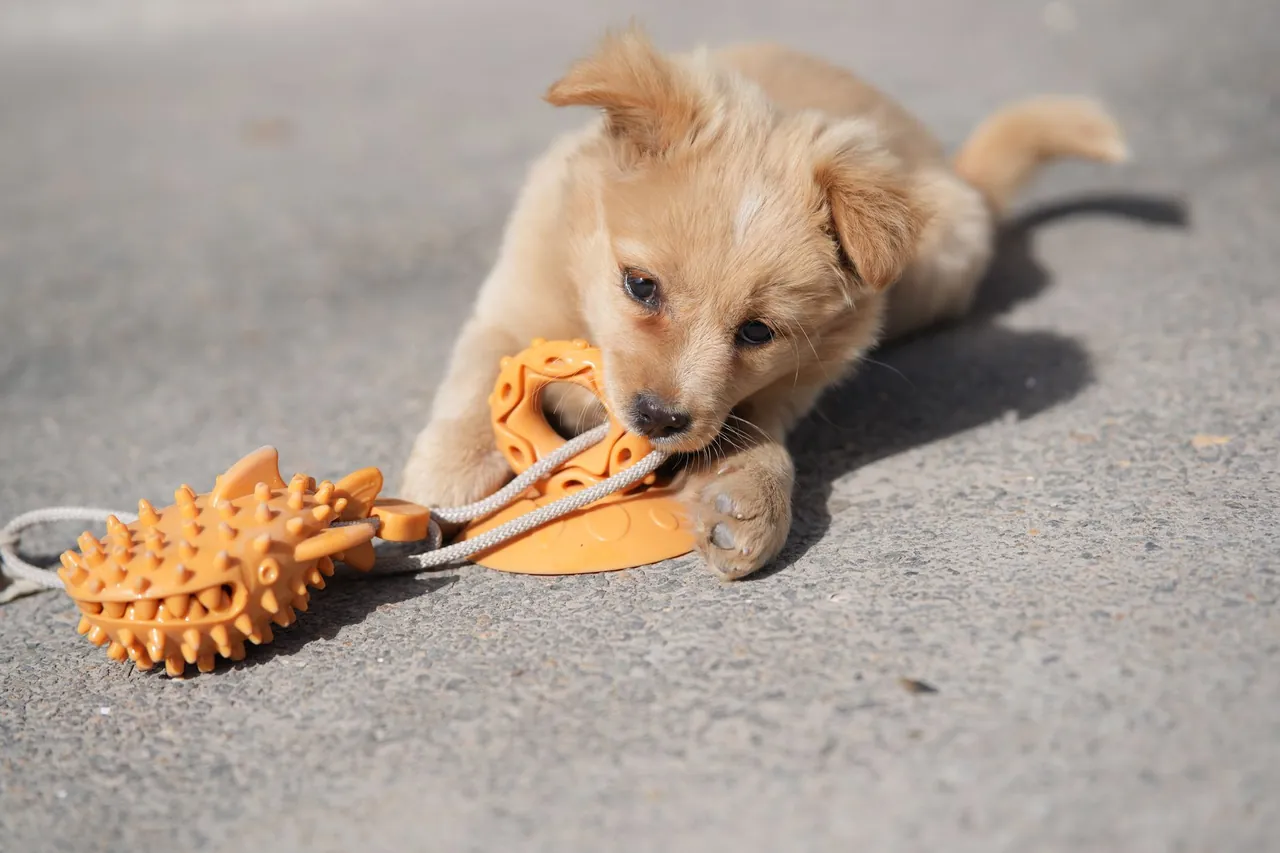
The teething timeline
These ages are typical, not exact (VCA):
- About 3 weeks: baby teeth start coming in, the incisors and canines first, then the premolars. Puppies have no baby molars.
- About 6 weeks: all 28 baby teeth are normally in.
- About 12 weeks (3 months): baby teeth start to fall out, and the first adult incisors (the front teeth) can appear.
- 3½ to 6 months: peak teething, with sore gums and lots of chewing. The adult canines (the fangs) come in around 5 months.
- 4 to 7 months: the adult premolars and molars at the back of the mouth come in.
- About 6 months: normally every adult tooth is in, up to 42 of them, and the baby teeth are gone.
The free puppy teething timeline puts these stages on one page, with a log for teeth lost and what helped.
Teething ends; chewing doesn’t
The ASPCA says the intense chewing phase usually ends by six months, and Humane World for Animals says puppies teethe for about six months. VCA adds that excessive chewing seems to subside around 18 months, though some chewing continues for life. So keep good chew toys around long after the last baby tooth is gone (why dogs chew everything).
Helping sore gums
- Choose toys with a little give. VCA suggests toys that bend a little and that you can dent with a fingernail.
- Freeze them. VCA suggests freezing toys or treats to soothe the gums, and the ASPCA suggests a frozen wet washcloth.
- Supervise every chew, and take away any toy that is breaking apart (VCA).
- Avoid very hard chews. Nylon, bones and antlers can fracture new teeth (VCA).
- Trade, don’t grab. If your puppy picks up something it shouldn’t have, swap it for a chew toy (Humane World).
- Puppy-proof the house. The ASPCA recommends dog-proofing and plenty of chew toys, rotated; the free puppy-proofing checklist goes room by room.
Teething and nipping tend to peak together. For the biting side, see why puppies bite so much.
When to see the vet
Two teeth in the same spot usually means a baby tooth that didn’t fall out. VCA says this is most common in small and short-nosed breeds, that retained baby teeth need removing, and that removing them early helps the adult tooth settle into place. If you can’t tell whether a tooth is a baby tooth or an adult one, your vet can check at the next visit. The adult teeth have to last a lifetime, so a tooth-brushing routine is worth building.
Frequently asked questions
- How many teeth do puppies have?
- Puppies have 28 baby teeth, normally all in by about 6 weeks, according to VCA. They're replaced by up to 42 adult teeth, normally all in by about 6 months. Puppies have no baby molars, so the molars arrive only with the adult set.
- When do puppies lose their baby teeth?
- VCA says baby teeth begin to fall out at about 12 weeks, and the first adult incisors can appear from about 3 months. By about 6 months the baby teeth are normally gone and the adult teeth are in, though the back teeth can take until about 7 months.
- Do puppies chew more when teething?
- Yes. VCA lists teething as the reason many dogs 3 to 6 months old chew household objects, and the ASPCA says chewing relieves the pain of incoming teeth, an intense phase that usually ends by six months. Chewing doesn't stop there entirely: VCA notes that excessive chewing seems to subside around 18 months.
- What if my puppy still has a baby tooth next to an adult tooth?
- That is usually a retained baby tooth. VCA says retained baby teeth need removing, that they're most common in small and short-nosed breeds, and that early removal helps the adult tooth settle into place. Ask your vet to check.
Educational content only — not veterinary or professional behavior advice. Consult your vet, or a certified trainer or behaviorist, for your pet. Read the full disclaimer →