Is a Golden Retriever Right for You?
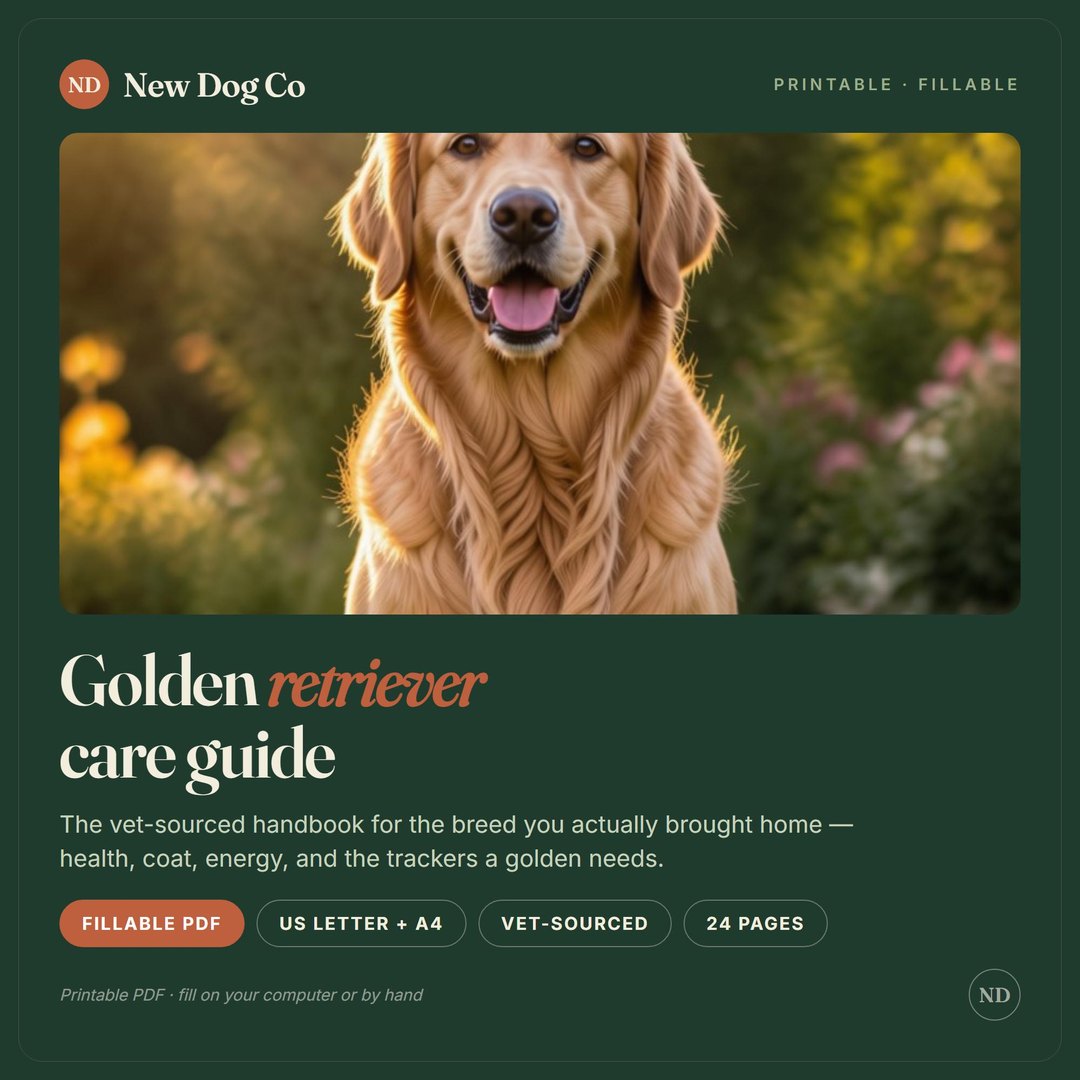
Golden Retrievers earn their reputation as friendly, patient, and eager-to-please companions. They tend to be sociable with people and other dogs, adaptable to family life, and highly motivated to work alongside you. That trainability is why the breed shows up so often in guide-dog, therapy, and sporting roles.
The honest downsides matter just as much. Goldens are enthusiastic and mouthy as youngsters, often carrying objects and jumping in greeting, which needs patient shaping. They shed heavily all year and blow coat seasonally. They form strong bonds and generally do not do well left alone for long stretches, which can lead to boredom behaviors. They also stay puppy-like well into their second or third year. If you want a calm, independent, low-maintenance dog, this is not the breed. If you want an active, affectionate partner and can meet the exercise and grooming demands, few dogs make a more devoted retrieve-and-swim companion.
Exercise, Energy, and Daily Life
Goldens were bred to retrieve for hours in the field, and that stamina still shows. Most adults need roughly one to two hours of activity a day, split into walks, off-leash running where safe, and structured play. A tired-out body alone isn't enough, though: this is a thinking breed that needs a job.
Retrieving games are the obvious fit, but rotate in scent work, puzzle feeders, training sessions, and swimming, which many Goldens love. Mental work tires them as effectively as physical exercise and takes the edge off young-dog restlessness.
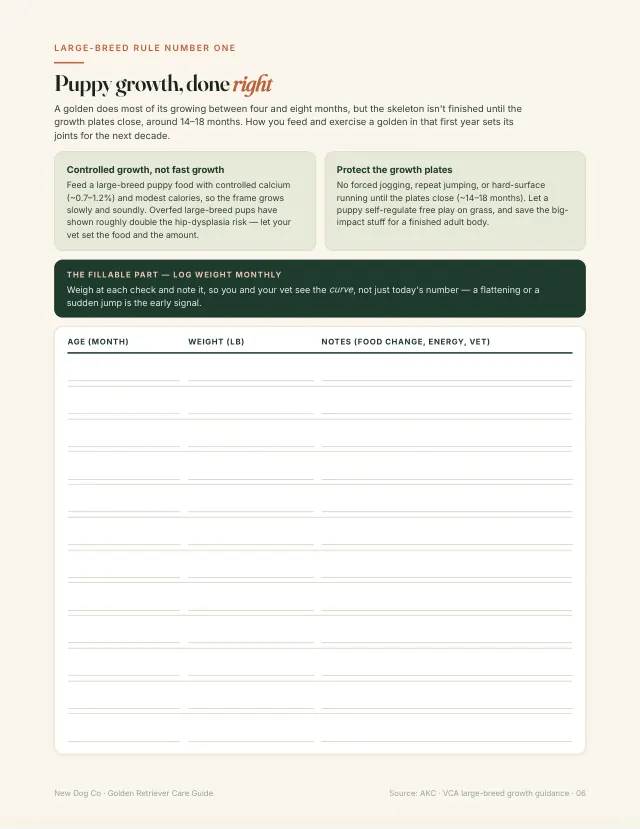
- Puppies: keep exercise short and low-impact while joints develop; favor free play over forced running.
- Adults: build up to longer outings and add problem-solving games.
- Seniors: keep them moving with gentler, joint-friendly activity.
An under-exercised Golden often becomes an over-excited or destructive one, so consistent daily outlets are non-negotiable.
Grooming and Coat Care
The Golden's water-repellent double coat is beautiful and demanding. Plan to brush several times a week, and daily during the twice-yearly heavy shed, to remove loose undercoat and prevent mats behind the ears, on the tail, and in the feathering on legs and chest.
Bathe as needed rather than on a rigid schedule, and dry the coat thoroughly. Never shave a Golden's double coat: it insulates against both heat and cold and can grow back unevenly. Trim the fur between paw pads and keep nails short.
Those signature floppy ears trap warmth and moisture, which raises the risk of ear infections, especially in dogs that swim. Check ears weekly for redness, odor, or discharge, and dry them after water. Keep up dental care and a regular nail routine. Steady grooming isn't just cosmetic; it's how you catch skin issues, lumps, and ear trouble early.
Golden Retriever Health: What to Watch For
Goldens are athletic, adaptable dogs, but the breed carries some well-documented health risks, and knowing them helps you partner with your veterinarian. This is guidance to inform vet conversations, not a diagnosis.
- Cancer: Goldens have a notably high lifetime cancer risk, including hemangiosarcoma and lymphoma. The Morris Animal Foundation's Golden Retriever Lifetime Study and veterinary literature document this pattern; watch for unexplained lethargy, weight loss, or lumps.
- Hip and elbow dysplasia: orthopedic conditions the OFA screens through hip and elbow evaluations in breeding dogs.
- Subvalvular aortic stenosis (SAS): an inherited heart condition; ACVIM-guided cardiac screening and reputable breeders help reduce risk.
- Atopic dermatitis: allergic skin disease causing itching and recurrent ear or skin infections.
- Eye conditions: Goldens are prone to pigmentary uveitis, a breed-specific condition that can progress to glaucoma, and to cataracts; reputable breeders screen with annual CAER/OFA eye exams, and any redness, cloudiness, or vision change should be checked by your vet.
- Obesity: Goldens gain weight easily, which worsens joint and metabolic problems, so body-condition monitoring matters (AVMA, AAHA).
Buy from breeders who health-test, keep up preventive care, and see your vet promptly for anything unusual.
Training This Breed
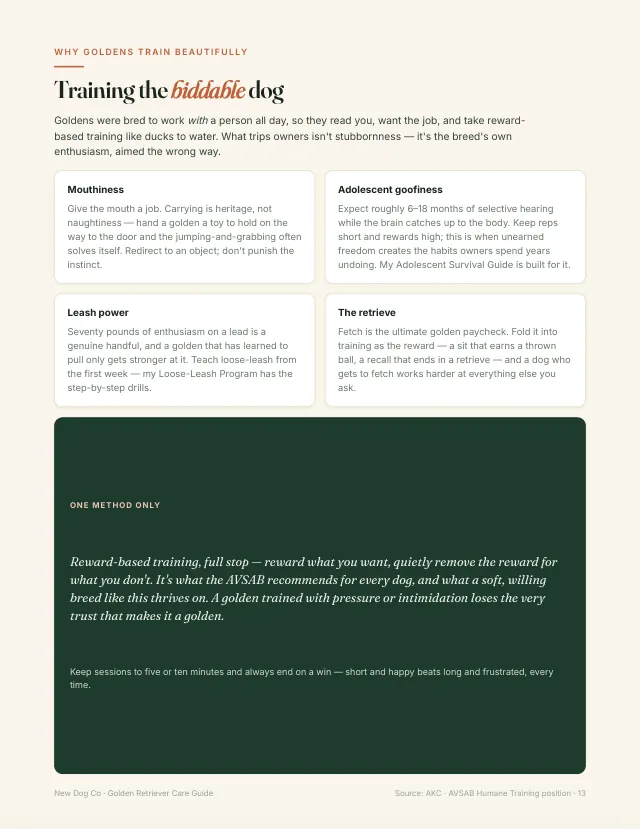
Goldens are among the easiest dogs to train because they're smart, food-motivated, and eager to cooperate. The catch is their exuberance: a young Golden brings a lot of energy to every lesson, so short, upbeat, reward-based sessions work far better than long or heavy-handed ones.
Use positive reinforcement: mark and reward the behavior you want, and manage the environment so mistakes are less likely. Prong collars, shock, and dominance-based methods are unnecessary and can damage the trusting temperament that makes this breed special.
Prioritize early, positive socialization to new people, dogs, sounds, and surfaces. Channel their retrieving drive into structured games, and teach an early reliable recall and calm greetings to curb jumping. Because they mature slowly, stay patient and consistent through adolescence. Redirect mouthing onto appropriate toys, and give their busy brains daily problem-solving. A Golden trained with kindness becomes a delightful, dependable companion.
Feeding and Weight Management
Goldens love food and gain weight easily, so feeding is a health issue, not just a routine. Excess weight strains hips and elbows already prone to dysplasia and raises the risk of other problems, so keeping your dog lean is one of the highest-impact things you can do.
Feed a complete, life-stage-appropriate diet and measure portions rather than free-feeding. Learn to assess body condition by feel: you should be able to feel the ribs without pressing hard and see a waist from above. Count treats and training rewards as part of the daily total, and use part of the meal ration for training to avoid overfeeding.
Because Goldens are so motivated by food, they'll happily convince you they're starving; the scale and body-condition checks are your reality check. Work with your veterinarian to set target weight and adjust as your dog moves from puppy to adult to senior. The feeding and weight trackers in this guide make that ongoing monitoring simple.