Can Cats Drink Milk?
The saucer of milk is a cartoon classic, but it isn't what cats need. Milk isn't toxic; it just upsets many cats' stomachs, and the three main sources put it a little differently. What they say, and what kittens get instead.
On this page
Usually not. Milk isn’t poisonous to cats, but Cornell’s Feline Health Center says it “is not generally recommended as a treat for cats, as many cats are lactose-intolerant.” Fresh water is the everyday drink, and a kitten that needs milk should get kitten formula, not cow’s milk.
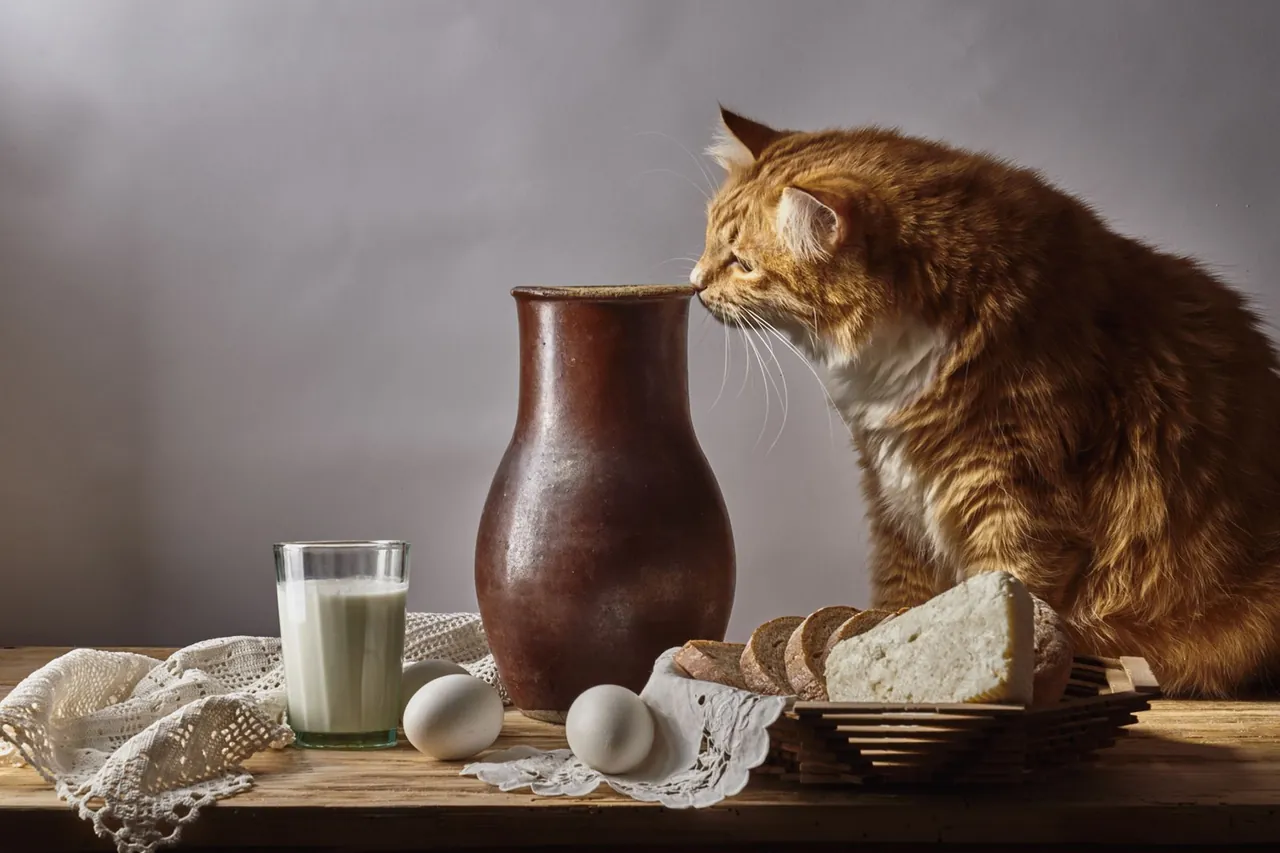
Why milk upsets so many cats
The problem is milk sugar. The ASPCA explains that pets “do not possess significant amounts of lactase,” the enzyme that breaks it down, and Cornell says cats “can develop gastrointestinal problems if fed dairy products.” VCA describes milk upsetting the stomach, causing vomiting and diarrhea.
So a saucer of milk isn’t a poisoning, but for many cats it’s an upset stomach served as a treat. Switching animals doesn’t help: International Cat Care names cow’s, sheep’s and goat’s milk together, and Cornell’s warning covers dairy products in general, so cream and cheese don’t get a pass either.
The sources don’t all say it the same way
The three cat-specific sources agree on the direction but not the strength:
- Cornell Feline Health Center: milk isn’t generally recommended as a treat, because “many cats are lactose-intolerant.”
- VCA: “Cats of all ages should not be fed milk or tuna.”
- International Cat Care: “cow’s/sheep’s/goat’s milk cannot be fully digested by cats so it may cause diarrhoea.”
The ASPCA’s lactase note speaks of pets in general; the three above speak about cats directly. Taken together: not toxic, not needed, and best skipped. If your cat lapped up a little and seems fine, there’s no emergency; just don’t make it a habit.
Kittens: formula, not cow’s milk
Kittens are where the milk myth matters most. VCA says that from about 12 weeks, kittens “lose the ability to digest milk sugar, meaning milk can upset their stomachs, causing vomiting and diarrhea,” and that kittens should get “kitten-specific milk formulas instead.” The 12-week figure comes from VCA alone.
If a kitten has just come home, the new kitten checklist covers the first weeks, and the free New Cat Checklist is there for the setup.
What to offer instead
Offer fresh water as the everyday drink. For treats, Cornell advises “not to let treats exceed 10 to 15 percent of a cat’s daily caloric intake,” and that budget is better spent on treats that don’t upset the stomach. Attention doesn’t have to come from food at all: a few minutes of play does the job too (indoor cat enrichment ideas).
When to call the vet
No source prints a milk amount that calls for a vet visit. Call your vet if vomiting or diarrhea doesn’t settle, or if your cat seems unwell after drinking milk. Note what your cat drank and when, so your vet has the details.
The same VCA page that warns about milk also warns about tuna. For the foods that are truly dangerous, start with onions and garlic. And if your cat shares a home with a dog, see dog food and the guide to dogs drinking milk.
Frequently asked questions
- Is a little milk OK for my cat?
- It isn't toxic, but the sources lean against it. Cornell says milk isn't generally recommended as a treat because many cats are lactose-intolerant, VCA says cats of all ages should not be fed milk, and International Cat Care says it may cause diarrhoea. If your cat lapped some up and seems fine, it's not an emergency; just don't make it a habit, and call your vet if vomiting or diarrhea doesn't settle.
- Can kittens drink cow's milk?
- VCA says no. Kittens should get kitten-specific milk formulas instead, and from about 12 weeks they lose the ability to digest milk sugar, so milk can upset their stomachs and cause vomiting and diarrhea.
- What about goat's milk or cream?
- International Cat Care says cow's, sheep's and goat's milk cannot be fully digested by cats, so it may cause diarrhoea, and Cornell says cats can develop gastrointestinal problems if fed dairy products. Treat goat's milk, cream and other dairy the same way as cow's milk.
- How many treats can a cat have?
- Cornell's Feline Health Center advises not letting treats exceed 10 to 15 percent of a cat's daily caloric intake. Milk would count toward that, and it's one of the treats the sources advise against.
Educational content only — not veterinary or professional behavior advice. Consult your vet, or a certified trainer or behaviorist, for your pet. Read the full disclaimer →