Can Cats Eat Tuna?
Cats love it, and that's the trouble. Tuna isn't a complete food, and a tuna-heavy diet has been linked to a painful fat disease. Whether a rare taste is fine depends on which source you ask, so here's what each one says.
On this page
Not as a regular food. VCA says tuna lacks essential nutrients, and the Merck Veterinary Manual links large quantities of canned tuna to a vitamin E deficiency that causes yellow fat disease. Whether a rare taste is acceptable depends on which source you ask, so here is what each one says.
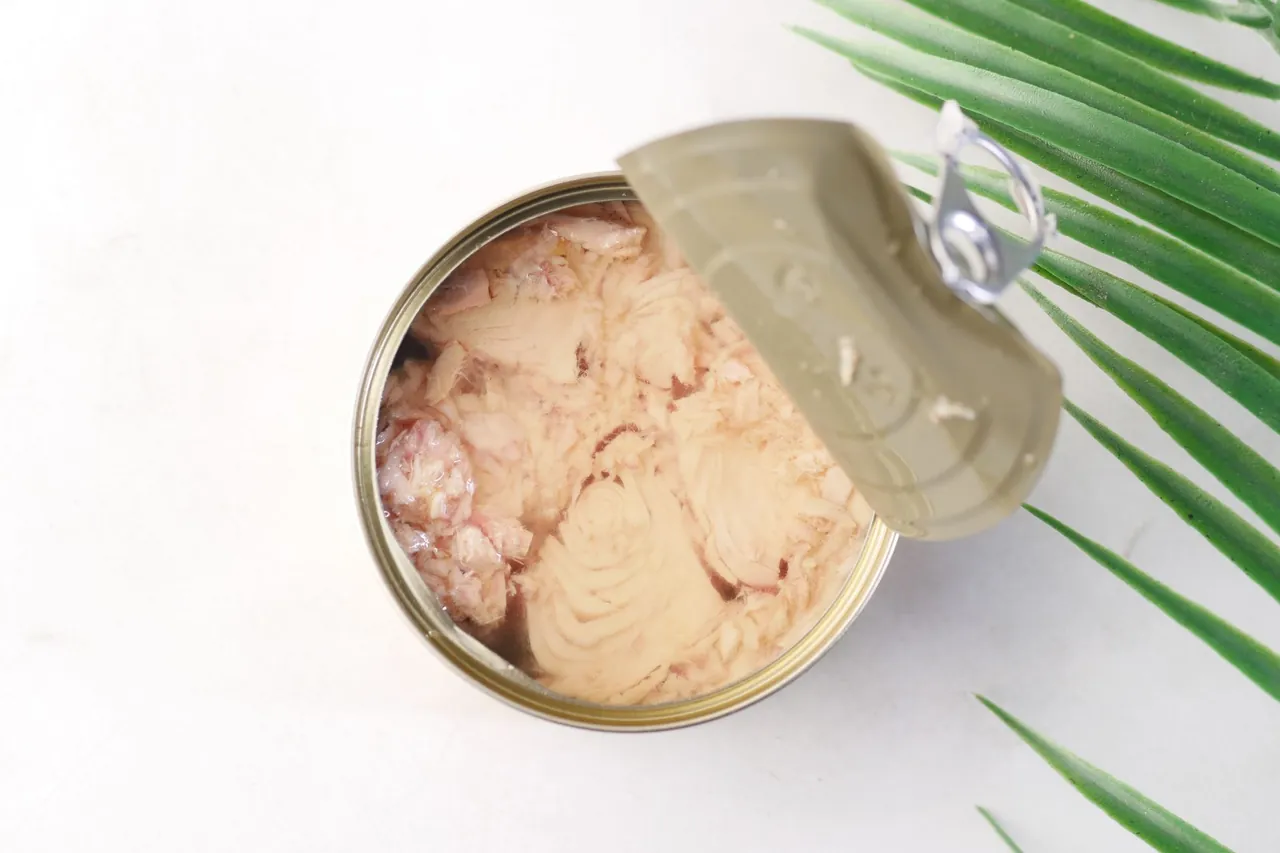
What’s wrong with tuna as a diet
VCA is direct about it: “Tuna lacks essential nutrients and has too much unsaturated fat.” It adds that tuna “isn’t supplemented with vitamin E or other antioxidants,” and that “just a few ounces contain more than a third of the recommended daily caloric intake for many cats.” That calorie figure comes from VCA alone, but the point stands: a little tuna crowds out a lot of complete food.
Yellow fat disease (pansteatitis)
Merck explains that “naturally occurring deficiencies of vitamin E have occurred in cats given large quantities of canned tuna,” leading to pansteatitis, also called yellow fat disease. Its cat-owner section adds that “most known cases have involved animals whose diet consists partially or completely of fish or fish byproducts.”
The signs Merck describes:
- Fever: “Fever is always present, and loss of appetite is common.”
- Lumps: “Lumpy deposits of fat under the skin may be seen.”
- Pain: “In advanced cases, even a light touch can cause pain.”
Where the sources disagree
On a regular tuna habit, every source points the same way. On a rare taste, they don’t:
- VCA: “Cats of all ages should not be fed milk or tuna.”
- Merck: ties the harm to “large quantities” of canned tuna and fish-based diets.
A bite stolen off a plate isn’t the case Merck describes. But if you want to follow the strictest source, skip tuna altogether. Either way, it shouldn’t become a daily topper.
Two more cautions. Cornell’s Feline Health Center notes that “some cats that have consumed canned fish products meant for humans… have developed potentially serious neurological disorders”; the page doesn’t name the cause, and it’s a Cornell-only finding. And fish is a common allergen: in a 2016 review (Mueller, Olivry and Prélaud), fish caused reactions in 13 cats (17%), second only to beef at 14 cats (18%).
Raw fish is a separate problem. Merck lists raw fish diets among the causes of thiamine deficiency in cats, and notes that the thiaminases found in raw freshwater fish and clams “are destroyed by cooking fish.” The FDA warns that “if left untreated, thiamine deficiency can be deadly.”
When to call the vet
Call your vet if a cat that has been eating mostly tuna or fish has a fever, lumps under the skin, pain when touched or loss of appetite, the signs Merck lists for pansteatitis. Bring a note of what your cat eats and how much tuna is in it.
If tuna has become your cat’s favorite reward, play can take some of that role (indoor cat enrichment ideas). For other kitchen questions, see milk, dog food and onions and garlic, and for dogs, tuna for dogs.
Frequently asked questions
- Is a little tuna OK for my cat?
- The sources disagree. VCA says cats of all ages should not be fed tuna, while Merck's evidence of harm is about cats given large quantities of canned tuna or diets made up partly or completely of fish. A bite stolen off a plate isn't the case Merck describes, but tuna shouldn't become a habit, and the strictest source says to skip it.
- Can tuna make my cat sick?
- Over time, yes. Merck says vitamin E deficiencies have occurred in cats given large quantities of canned tuna, leading to pansteatitis (yellow fat disease). Signs include fever, which Merck says is always present, lumpy fat deposits under the skin, loss of appetite and, in advanced cases, pain at even a light touch.
- Is canned tuna for people safe for cats?
- Cornell's Feline Health Center notes that some cats that have eaten canned fish products meant for humans have developed potentially serious neurological disorders. The page does not name the cause, and that warning comes from Cornell alone. It's one more reason not to make human canned fish a regular part of your cat's diet.
- Can cats be allergic to fish?
- Yes. In a 2016 review of food allergen sources (Mueller, Olivry and Prélaud), fish caused reactions in 13 cats (17%), second only to beef at 14 cats (18%). That's a single study.
Educational content only — not veterinary or professional behavior advice. Consult your vet, or a certified trainer or behaviorist, for your pet. Read the full disclaimer →