Can Dogs Eat Almonds and Other Nuts?
Almonds, walnuts, pecans, cashews: most nuts aren't poisonous to dogs, but they're fatty, a choking size and sometimes moldy. Which nuts are worst, and what to do if your dog ate some.
It’s best not to give your dog almonds or most other nuts. They aren’t poisonous the way macadamias are, but the free Dog Toxic-Foods Checker lists nuts (almonds, walnuts, etc.) as Caution: they’re “high in fat (stomach upset, pancreatitis), a choking size, and moldy walnuts add toxin risk — and macadamias are outright toxic.” Its advice: “Best avoided; call your vet for a large amount or any macadamias.”
This page covers why nuts cause trouble, which ones are worst, and what to do if your dog got into some.
Why nuts and dogs don’t mix
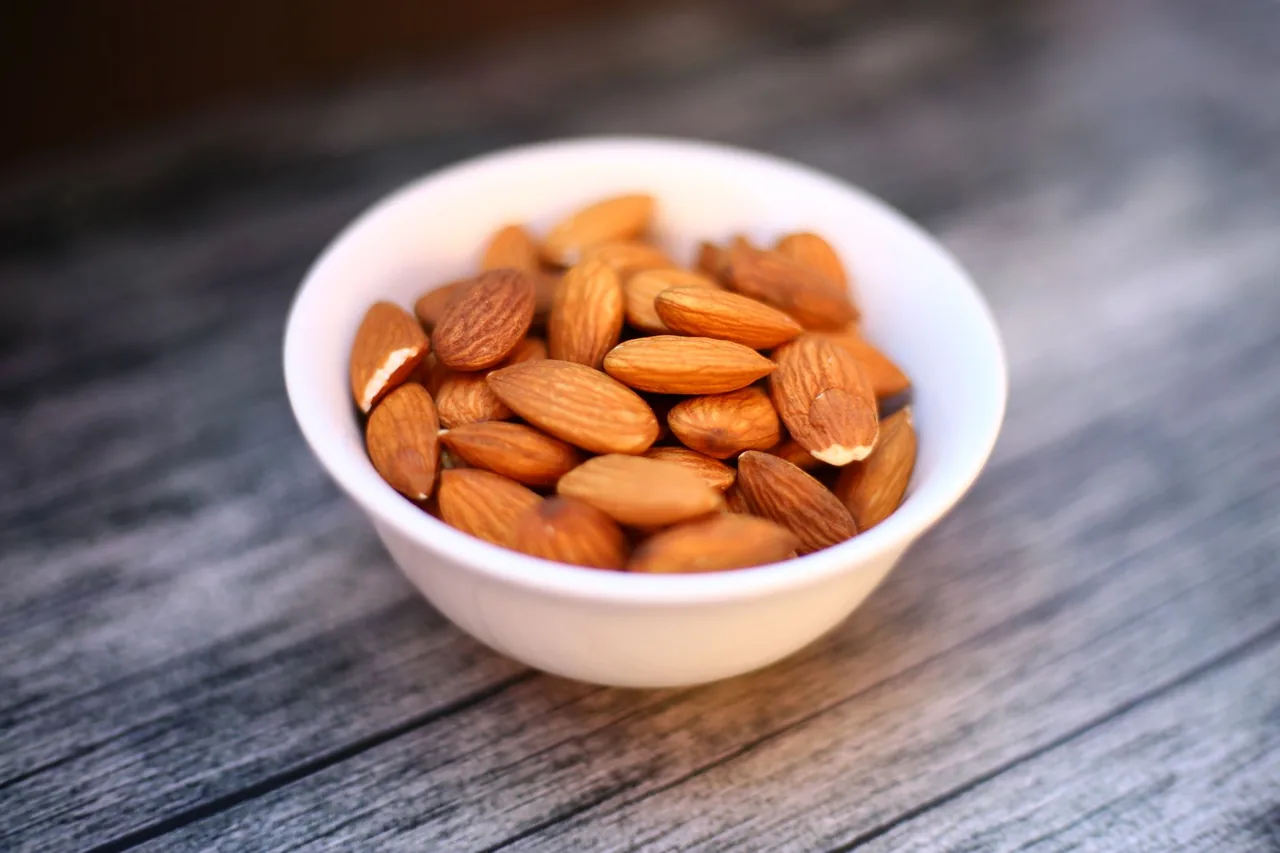
Fat. Nuts are rich in fats and oils. The ASPCA notes almonds, pecans and walnuts can cause vomiting, diarrhea and potentially pancreatitis in pets. The AKC calls pancreatitis a serious condition that requires a vet.
Size and shape. The AKC warns that almonds can block a dog’s esophagus, intestines or windpipe, especially in small breeds, and those obstructions can be fatal if not treated and sometimes need surgery. Dogs also tend to swallow nuts whole.
Salt and flavoring. Salted, smoked and flavored nuts add salt and seasoning. The AKC notes heavily salted almonds can lead to water retention and, in large amounts, salt toxicity.
Mold. Pet Poison Helpline warns that moldy food, nuts included, can carry mycotoxins that cause vomiting, agitation, wobbliness, tremors, seizures and high body temperature.
Nut by nut
- Almonds: not toxic, but fatty, hard to digest and a choking size. Best avoided.
- Walnuts and pecans: fatty, and especially risky once moldy, including nuts fallen from trees in the yard.
- Cashews and pistachios: fatty and often salted. Pistachio shells add a blockage risk.
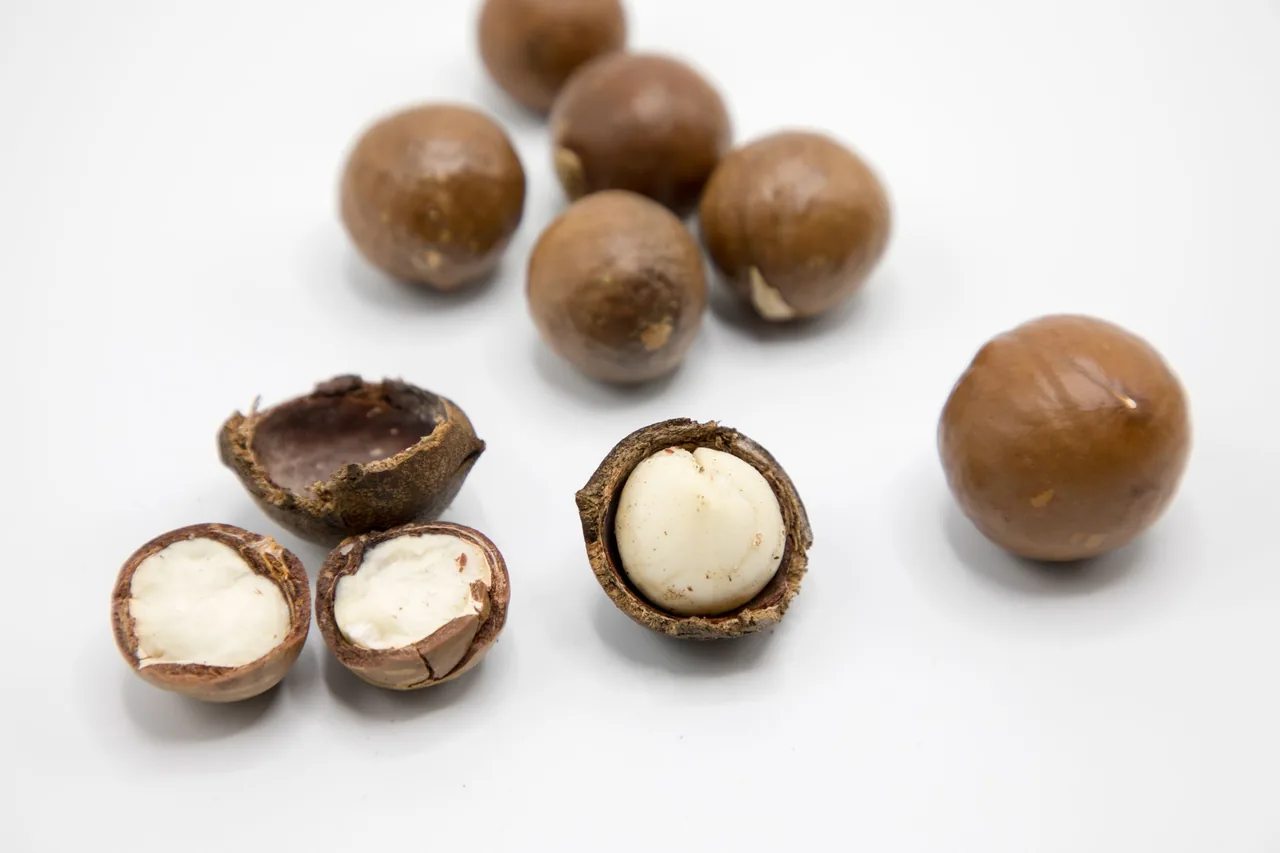
- Macadamia nuts: toxic. Weakness, wobbliness, vomiting, tremors and high body temperature within about 12 hours, per the Merck Veterinary Manual (macadamia nuts).
- Peanuts: technically a legume. Plain, unsalted peanuts in small amounts are the dog-friendlier option, and so is plain, xylitol-free peanut butter.
What to do if your dog ate nuts
- One or two plain almonds: the AKC suggests watching closely rather than panicking. Look for vomiting, diarrhea, discomfort, gagging or retching.
- More than a few, or a small dog: call your vet.
- Salted, flavored, chocolate-coated or moldy nuts: call your vet, and mention every ingredient.
- Any macadamia nuts: call your vet or a poison line. ASPCA (888) 426-4435 or Pet Poison Helpline (855) 764-7661.
Keep the free Pet Poison Emergency Card on the fridge with both numbers.
Where nuts hide
- Trail mix and granola, which can also contain raisins and chocolate (grapes and raisins, chocolate)
- Cookies, brownies and holiday baking
- Nut butters, some of which contain xylitol (xylitol)
- Bowls of mixed nuts on coffee tables at parties
- Fallen walnuts and pecans in the yard, which can turn moldy
For crunchy rewards without the risk, try carrots, green beans or apple slices. The free food safety chart puts the whole Safe / Caution / Never list on the fridge.
Frequently asked questions
- My dog ate one almond. Is that a problem?
- Usually not. The AKC suggests that if your dog eats one or two almonds, you watch them closely rather than panic. Look for vomiting, diarrhea, discomfort or signs that something is stuck, such as gagging or retching. If your dog ate more than a few, is a small breed, or the almonds were salted, flavored or chocolate-covered, call your vet.
- Why are almonds bad for dogs if they aren't toxic?
- The AKC explains that almonds aren't as toxic as some nuts, but dogs can't digest them as easily as people. They're high in fat, which can put a dog at risk of pancreatitis, a serious condition that needs a vet. They can also block the esophagus, intestines or windpipe, especially in small breeds, and the AKC notes those obstructions can be fatal if not treated and sometimes need surgery.
- Are walnuts, pecans or cashews safe for dogs?
- They're in the same Caution group. The ASPCA notes almonds, pecans and walnuts are high in oils and fats that can cause vomiting, diarrhea and potentially pancreatitis. Walnuts and pecans that have gone moldy, including ones fallen from trees in the yard, can carry mycotoxins that cause tremors and seizures, according to Pet Poison Helpline. Plain, unsalted peanuts and xylitol-free peanut butter are the more dog-friendly options in small amounts.
- Which nuts are toxic to dogs?
- Macadamia nuts are the common nut that is outright toxic: the Merck Veterinary Manual describes weakness, vomiting, wobbliness, tremors and high body temperature within about 12 hours. Moldy nuts of any kind can be dangerous because of the toxins mold produces. Any amount of macadamias, or nuts that look moldy, is worth a call to your vet or a poison line.
Educational content only — not veterinary or professional behavior advice. Consult your vet, or a certified trainer or behaviorist, for your pet. Read the full disclaimer →