Can Dogs Eat Bacon?
Bacon is rich, salty and one of the fatty foods linked to pancreatitis. It isn't a poison, though, so a stolen strip calls for a calm watch-and-call-if plan rather than panic.
On this page
No, bacon isn’t a treat to share. The free Dog Toxic-Foods Checker lists bacon under Caution, with the poison-line numbers shown: “Very fatty and salty. The AKC says no to bacon and the ASPCA says to avoid processed meats like it; a large amount can trigger pancreatitis, which can be fatal.” Asked about bacon and ham together, the AKC’s answer for both meats is no.
Bacon isn’t a poison, though. If your dog just snatched a strip off a plate, there’s a calm plan below.
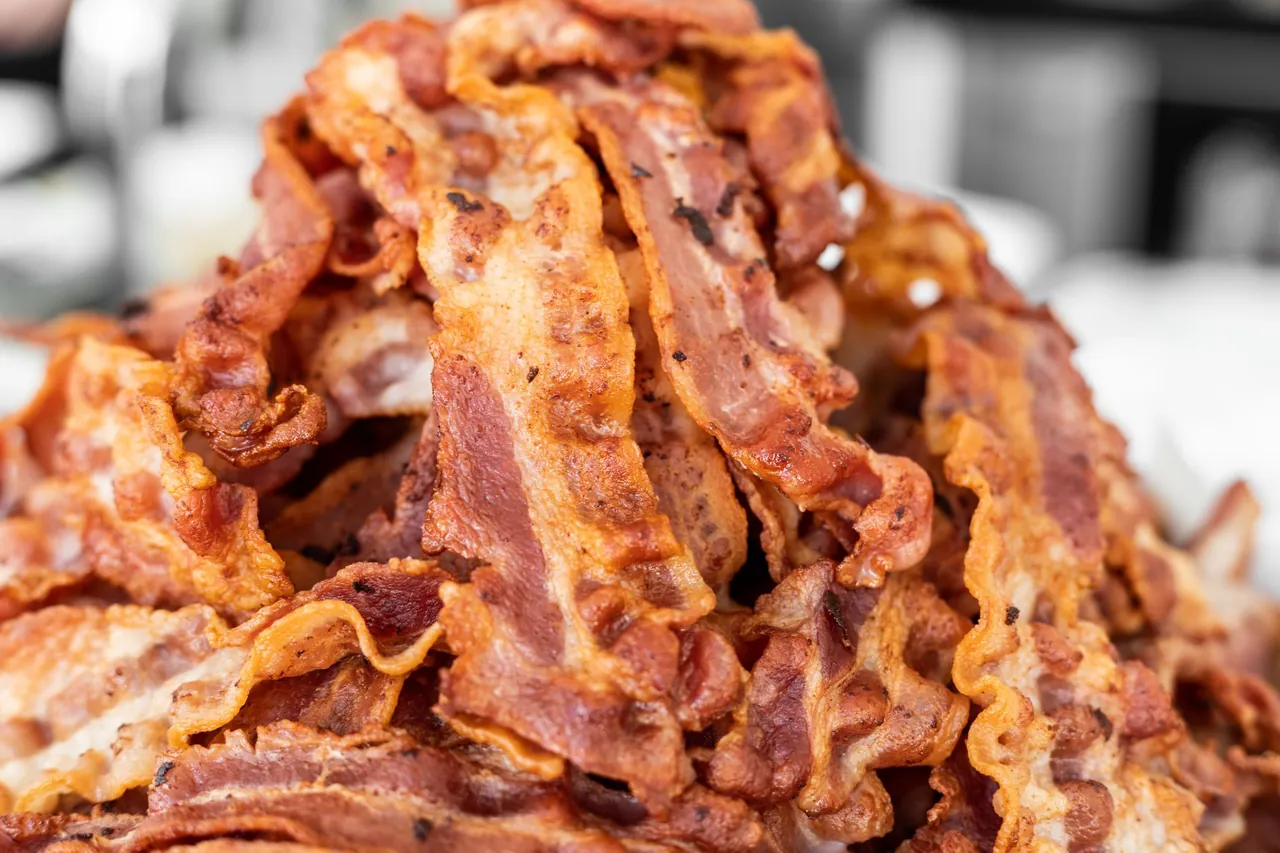
Why the AKC says no
“Bacon is an incredibly rich and fatty food with a high salt content,” the AKC says. The ASPCA comes at it from the salt side, advising owners to avoid processed meats like lunch meat or bacon because they can be high in salt.
Writing about ham, the AKC notes that a high salt content “can cause dogs to become dehydrated and drink an excessive amount of water,” and it describes bacon as high in salt too. The ham guide covers that sibling meat in detail.
Fat and pancreatitis
The fat is the more serious part. “Eating a large amount can cause pancreatitis, which can be fatal,” the AKC warns. Pet Poison Helpline lists fatty foods such as butter, oils, meat drippings and grease among the foods that “may cause pancreatitis (inflammation of the pancreas) when ingested, especially by dogs.” The Merck Veterinary Manual names “eating trash, large amounts of table scraps, or other inappropriate food” as a common risk factor in dogs.
Some dogs are more at risk than others. Pet Poison Helpline notes that certain breeds, “miniature Schnauzers in particular,” are more likely to develop pancreatitis. The pancreatitis guide covers the emergency signs and the low-fat diet that follows.
My dog stole bacon: watch, and call if
Pet Poison Helpline is clear that fatty table foods like bacon are “not a ‘toxicity’ issue.” The result can range from a mild bout of vomiting or diarrhea to a severe, fatal pancreatitis, and the AKC’s warning is about a large amount. That’s why a stolen strip is a watch-and-call-if situation, not a reason to panic.
- Note what was eaten: how many strips, any grease or drippings, and when.
- Watch for the delayed signs Pet Poison Helpline lists: vomiting that can start 1 to 4 days after a fatty meal, abdominal pain, diarrhea (with or without blood), reduced appetite and lethargy.
- Call your vet if any of those appear, if your dog ate a large amount or licked up the grease, or if your dog is a breed prone to pancreatitis. Merck lists loss of appetite, vomiting, weakness, abdominal pain, dehydration and diarrhea as the most common signs of severe pancreatitis.
If your vet’s office is closed, ASPCA Animal Poison Control at (888) 426-4435 and Pet Poison Helpline at (855) 764-7661 can advise (a fee may apply). The free vet visit prep sheet helps you log the signs and their timing.
What to share instead
The ASPCA says “small amounts of lean cooked chicken, turkey, beef or pork that are free of bones and seasoning are also okay.” That’s the swap: a plain piece of chicken or turkey gives your dog a meat treat that’s lean and unseasoned, and the checker is there for anything else that lands on the floor.
Frequently asked questions
- Is one piece of bacon bad for a dog?
- It isn't a treat worth sharing, but one strip is not a poisoning. The AKC's pancreatitis warning is about eating a large amount, and Pet Poison Helpline says fatty table foods like bacon aren't a toxicity issue; the effect can range from mild vomiting or diarrhea to a severe pancreatitis. Offer water, watch your dog for the next 1 to 4 days, and call your vet if vomiting, belly pain, diarrhea, poor appetite or lethargy appear.
- Can dogs eat bacon grease?
- No. Pet Poison Helpline lists fatty foods such as butter, oils and meat drippings or grease among the foods that may cause pancreatitis, especially in dogs. Don't pour bacon grease over your dog's food, and keep the pan and the grease jar out of reach. If your dog licked up a lot of it, call your vet.
- What are the signs of pancreatitis after eating bacon?
- Pet Poison Helpline describes vomiting that can start 1 to 4 days after a fatty meal, along with abdominal pain, diarrhea (with or without blood), reduced appetite and lethargy. Merck lists loss of appetite, vomiting, weakness, abdominal pain, dehydration and diarrhea as the most common signs of severe pancreatitis. Any of these after a fatty meal is a reason to call your vet.
- What meat can I give my dog instead of bacon?
- The ASPCA says small amounts of lean cooked chicken, turkey, beef or pork that are free of bones and seasoning are okay. A plain piece of cooked chicken or turkey gives your dog a meat treat that is lean and unseasoned.
Educational content only — not veterinary or professional behavior advice. Consult your vet, or a certified trainer or behaviorist, for your pet. Read the full disclaimer →