Can Dogs Eat Peas?
A spoonful of plain green peas is a cheap, healthy treat many dogs love. How much to give, which peas to skip, and what the FDA's grain-free heart question means for peas.
On this page
Yes, dogs can eat peas. The free Dog Toxic-Foods Checker lists plain peas as Safe: “Green peas are a low-calorie source of fiber and protein that many dogs enjoy.” The rule is the usual one: plain only, “no salt, butter, or canned peas in brine.”
This page covers how much to give, which peas to skip, and what the FDA’s investigation into grain-free diets does and doesn’t mean for a spoonful of peas.
Why peas make a good treat
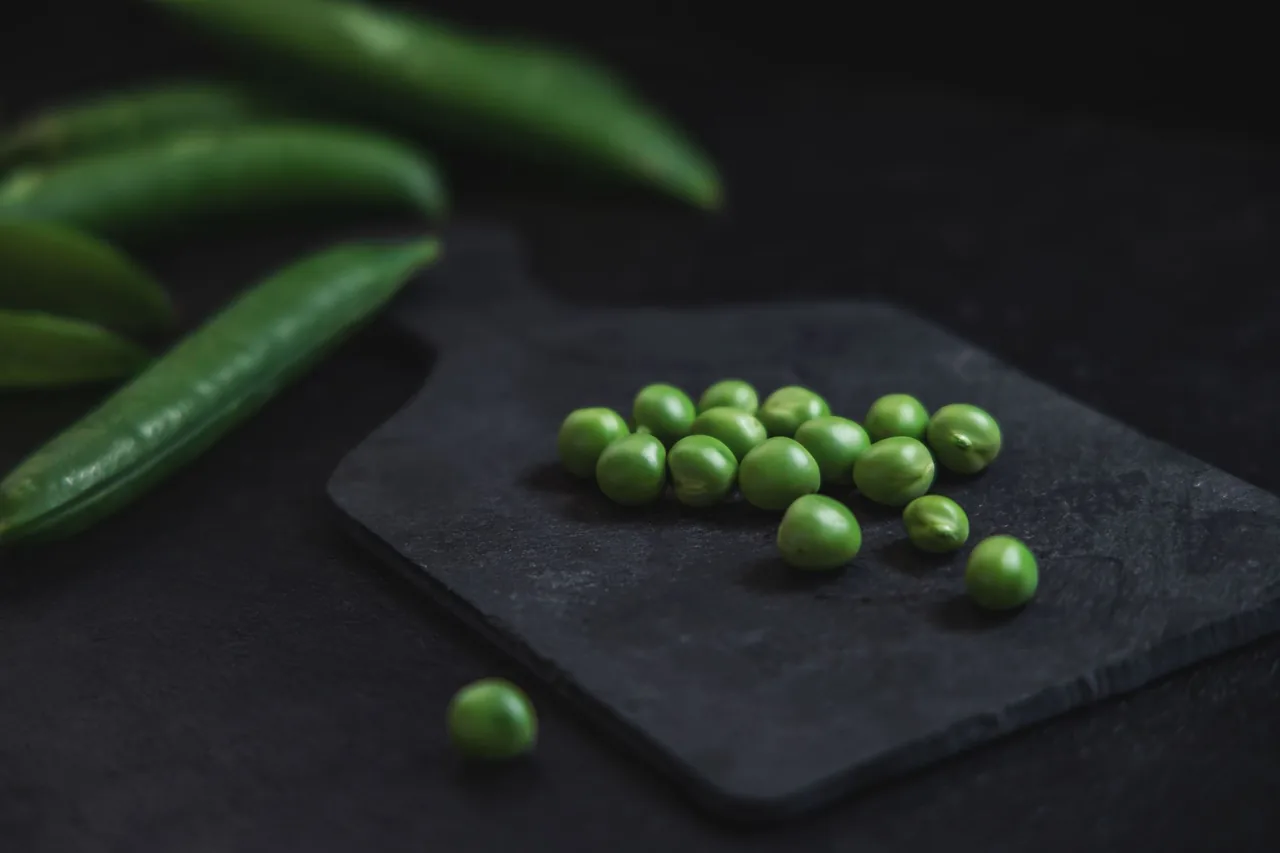
Peas are small, slightly sweet and low in calories, and most dogs like them. They’re bite-sized already, so there’s no cutting, and a bag of plain frozen peas keeps for months. For a dog on a complete diet, the fiber and protein in a spoonful of peas are a bonus. The real value is a cheap, plain, whole-food treat.
How many peas to give
The checker’s portion guide: a spoonful as an occasional treat — a teaspoon for a small dog, a tablespoon for a large one. “Fine now and then, not a daily staple.”
- Count them as a treat: all treats together within about 10% of daily calories, the guideline AAHA uses. The free Dog Feeding Calculator gives your dog’s daily number.
- Go slow. A big serving of any vegetable can cause gas.
- Dogs on a vet-prescribed diet, including kidney or urinary diets, should only get extras their vet has approved.
Fresh, frozen or canned?
- Fresh green peas: shelled and served plain. Snap and snow pea pods are fine too, cut into small pieces for small dogs.
- Frozen peas: thawed, or a few straight from the freezer as a crunchy summer treat.
- Steamed peas: soft and easy for older dogs.
- Canned peas: skip them. The checker says no canned peas in brine, because canned vegetables are usually salty. If it’s all you have, choose a no-salt-added can and rinse.
Skip peas cooked with butter, bacon, onion or garlic, and pea soups and side dishes made for people (onion and garlic).
Peas, grain-free food and heart health
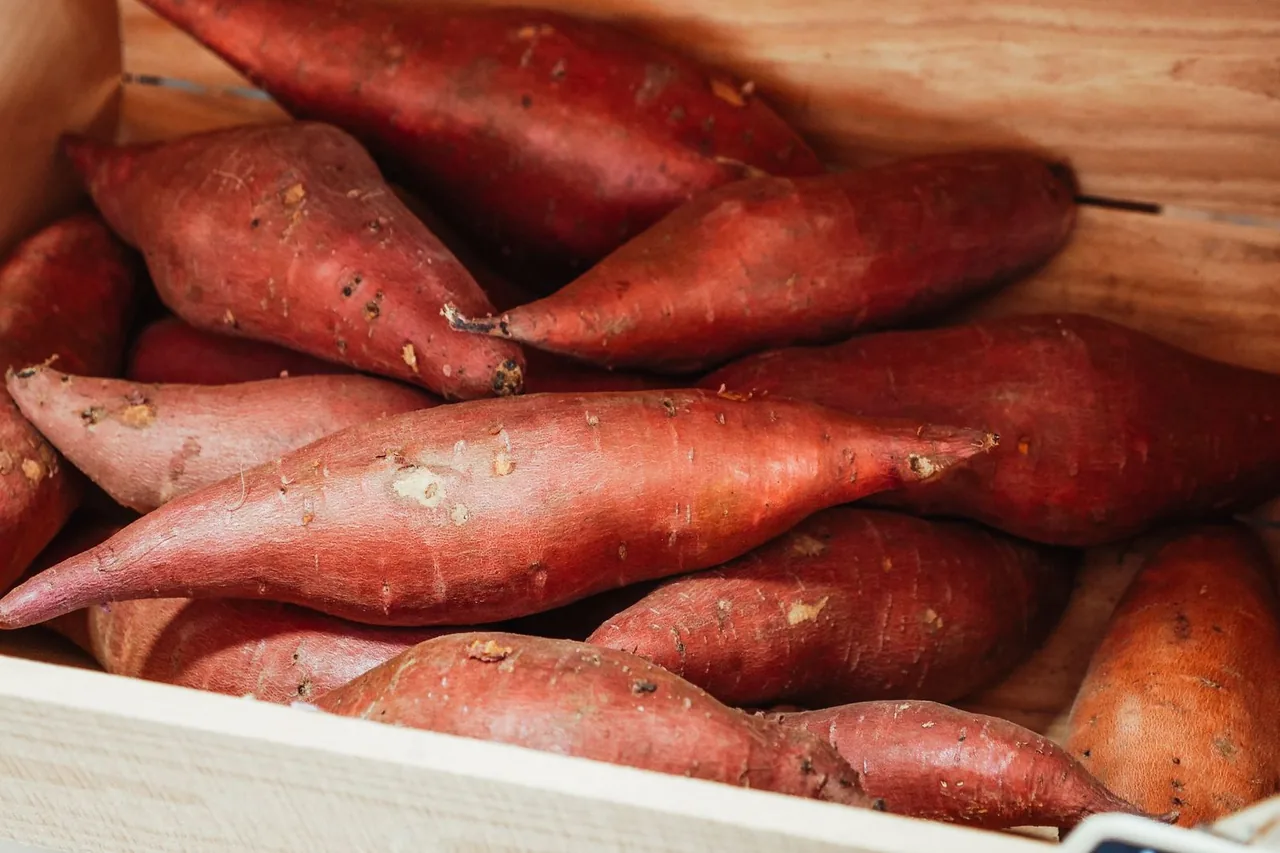
The U.S. FDA has investigated reports of dilated cardiomyopathy (DCM), a disease of the heart muscle, in dogs eating certain diets. In its 2019 update, 93% of the 524 reported cases involved foods containing peas and/or lentils, and 90% involved diets labeled grain-free. Potatoes and sweet potatoes appeared less often.
Two important caveats: the FDA has not established that peas or any other single ingredient cause DCM, and a spoonful of peas as an occasional treat is a very different thing from a complete diet built mainly on peas, lentils and other legumes. If your dog’s main food is grain-free or lists peas or lentils near the top of the ingredients, ask your vet whether it’s the right fit. The sweet potato guide covers the same question for starches.
More plain vegetables to rotate
Peas fit alongside other plain, dog-friendly vegetables: green beans, carrots, cucumber and plain pumpkin. The free food safety chart puts the whole Safe / Caution / Never list on the fridge.
Frequently asked questions
- How many peas can a dog eat?
- The site's Toxic-Foods Checker suggests a spoonful as an occasional treat: about a teaspoon for a small dog and a tablespoon for a large one. It calls peas fine now and then, not a daily staple. All treats together should stay within about 10% of your dog's daily calories, and a sudden large serving of any vegetable can cause gas.
- Can dogs eat frozen peas?
- Yes. The checker lists frozen-then-thawed peas as fine, and many owners give a few still frozen as a crunchy summer treat. Plain frozen peas have nothing added, which makes them one of the easiest vegetables to keep on hand for a dog.
- Can dogs eat canned peas?
- It's better not to. The checker specifically says no canned peas in brine, because canned vegetables are usually packed with added salt. If canned is all you have, choose a no-salt-added can and rinse the peas well. Buttered peas and peas in creamy or oniony side dishes are also out.
- Are peas bad for dogs' hearts?
- The FDA has investigated reports of dilated cardiomyopathy (DCM) in dogs eating certain diets. In its 2019 update, 93% of the 524 reported cases involved foods containing peas and/or lentils, and 90% involved diets labeled grain-free. The FDA has not shown that peas cause DCM, and a spoonful of peas as a treat is very different from a diet built on legumes. If your dog's main food is grain-free or high in peas, lentils or other legumes, ask your vet whether it's the right fit.
Educational content only — not veterinary or professional behavior advice. Consult your vet, or a certified trainer or behaviorist, for your pet. Read the full disclaimer →