Can Dogs Eat Coconut?
A little unsweetened coconut is unlikely to hurt most dogs, but it's rich in fat and potassium, the oils can upset the stomach, and the husk and shell are never on the menu.
On this page
In small amounts, yes. The free Dog Toxic-Foods Checker lists coconut (flesh, milk & oil) under Caution: “Not likely to cause serious harm in small amounts, the ASPCA says, but the oils in the flesh and milk can cause stomach upset and loose stools; coconut is also high in fat and potassium, and the husk and shell can block the gut.” The AKC agrees that “dogs can eat coconut safely when it’s fed in moderation,” and the size of that moderation is the whole story.
What the ASPCA and the AKC say
The ASPCA puts it carefully: “When ingested in small amounts, coconut and coconut-based products are not likely to cause serious harm to your pet.” In the next breath it adds that “the flesh and milk of fresh coconuts do contain oils that may cause stomach upset, loose stools and diarrhea.” The AKC’s article, which quotes veterinarian Jolee Stegemoller, fills in the rest: the fat, the potassium, the sweeteners and the shell.
Fat, potassium and the dogs who should skip it
“Coconut is higher in fat,” the AKC notes, so it suggests other treats for dogs on low-fat diets and for overweight dogs, and says to talk to your vet first if your dog has had pancreatitis (pancreatitis in dogs). The AKC also points out that “coconut is high in potassium, so caution should be used for dogs with kidney disease or other electrolyte disturbances.”
If your dog fits any of those groups, coconut is a question for your vet, not the treat jar.
Never the husk or shell
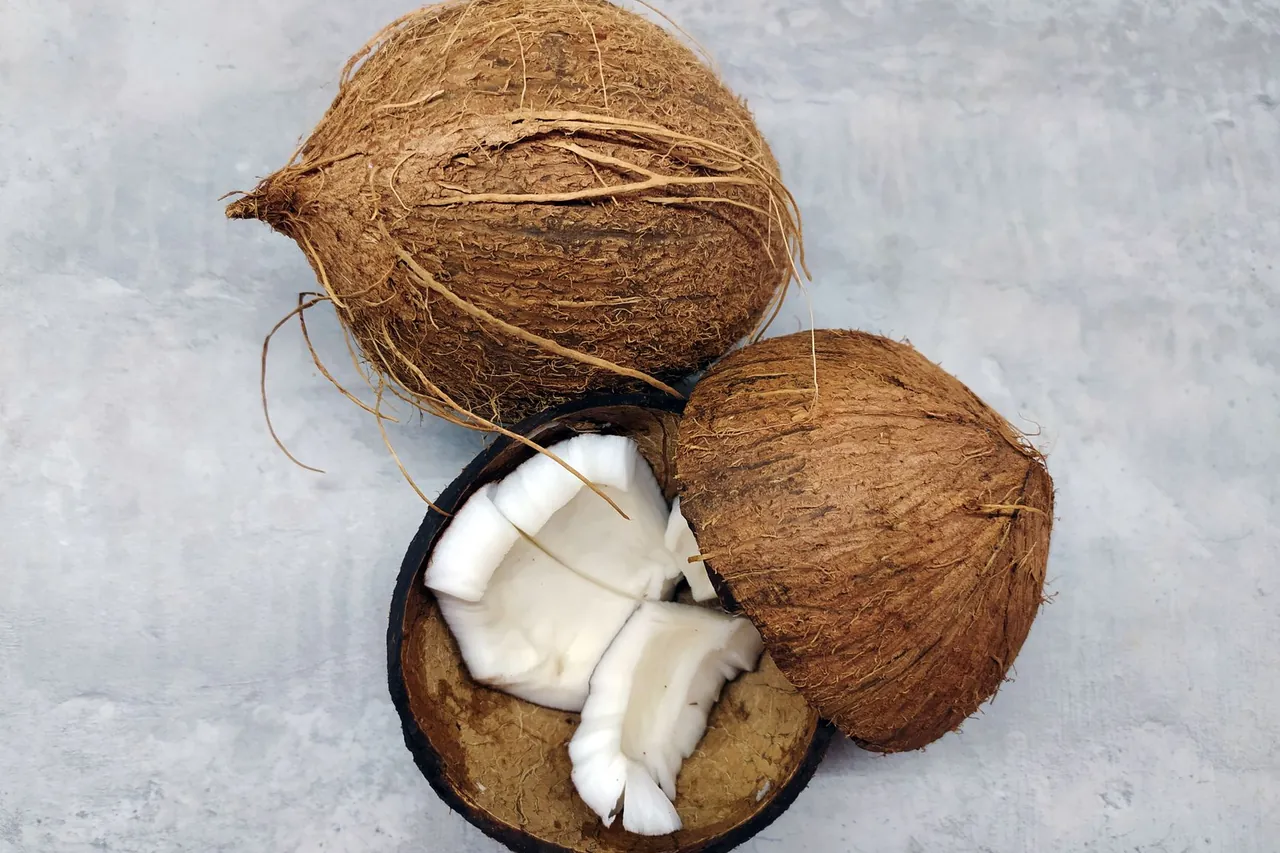
“You should never feed your dog the husk or shell of the coconut,” the AKC says, because of the risk of an intestinal blockage. Crack the coconut away from your dog, and put the shell pieces straight into a bin with a lid.
Coconut oil, milk, water and flakes
- Coconut flesh: unsweetened, in small pieces, per the AKC.
- Coconut milk: the ASPCA names the milk, along with the flesh, as a source of the oils that can upset the stomach, so keep it to a taste.
- Coconut oil: “up to a teaspoon or so for a large dog is okay,” the AKC says. It’s still fat, so it counts toward the treat budget.
- Coconut water: the AKC says it’s fine only as a treat, not in place of water. The ASPCA’s current page doesn’t address coconut water at all, so the AKC is the guidance to follow here.
- Sweetened flakes and coconut snacks: choose unsweetened products free of “artificial sweeteners like xylitol, which is toxic for dogs,” the AKC warns (xylitol).
“Remember that no more than 10% of a dog’s daily calorie intake should come from treats,” the AKC adds. The free Dog Feeding Calculator turns that into a number for your dog.
When to call the vet
Mild stomach upset after a bit of coconut is the outcome the ASPCA describes, and it’s your cue to stop. Call your vet if your dog swallowed pieces of husk or shell, and call right away if a coconut product contained xylitol. “Always consult your veterinarian before adding new foods,” the AKC says. If your vet is closed, ASPCA Animal Poison Control is at (888) 426-4435 and Pet Poison Helpline at (855) 764-7661 (a fee may apply).
Fresh pineapple is another tropical fruit with its own guide, and avocado, another rich food, has one too. The free food safety chart sorts everyday foods by Safe, Caution and Never.
Frequently asked questions
- Can dogs have coconut oil?
- In small amounts. The AKC says up to a teaspoon or so of coconut oil for a large dog is okay. It is still a fat, though, so it counts toward the treat budget, and the AKC suggests other treats for dogs on low-fat diets and for overweight dogs. If your dog has had pancreatitis, talk to your vet before offering any.
- Is coconut water okay for dogs?
- The AKC says coconut water is fine only as a treat, never as a replacement for fresh water. Coconut is high in potassium, so the AKC advises caution for dogs with kidney disease or other electrolyte disturbances. The ASPCA's current page doesn't mention coconut water, so the AKC's guidance is the one to go by here.
- Can dogs eat coconut shell or husk?
- No. The AKC says you should never feed your dog the husk or shell of a coconut, because of the risk of an intestinal blockage. If your dog chewed up and swallowed pieces, call your vet.
- Can dogs eat sweetened coconut flakes?
- Skip them. The AKC says to choose unsweetened coconut products that are free of artificial sweeteners like xylitol, which is toxic to dogs. Read the label on flakes, bars and coconut snacks, and if one contained xylitol, call your vet or a poison line right away.
Educational content only — not veterinary or professional behavior advice. Consult your vet, or a certified trainer or behaviorist, for your pet. Read the full disclaimer →